
Reviewed · PALERMO COOKING CLASSES & CANNOLI WORKSHOPS
Small group Pasta and Tiramisu class in Palermo
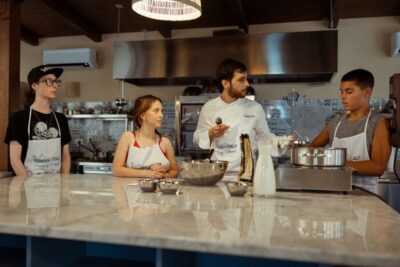
Fresh pasta in a real Palermo kitchen.
That is the draw here: a hands-on pasta and tiramisù workshop in a local home, run by a Cesarine who teaches family-style techniques and lets you take the recipes home. It’s a shared class in a carefully chosen house, with a calm pace and the kind of small-group feel that makes food more personal than touristy.
I love how you get real coaching through the whole process, not just a quick demo. I also love the “make it, then eat it” part: snacks, meal tasting, and complimentary prosecco/soft drinks turn the class into a full Sicilian-style hangout. One thing to plan for: the meeting spot can be a little tricky to find, and the outside photo may not match what you see, so you’ll want your host’s contact info ready.
In This Review
- Key highlights you’ll feel immediately
- A Palermo cooking class that skips the tourist script
- How the 3 hours typically flow (and why the timing matters)
- Inside the Cesarine home: what the teaching style feels like
- What you’ll make: classic pasta skills and tiramisù layers
- Pasta: beyond just rolling dough
- Tiramisu: assembling plus the wait for the chill
- The meal you eat: tastings, snacks, and drinks included
- Small-group size (max 12) and what it changes for you
- English instruction and how to get more out of it
- Price and value: is $163.27 a good deal?
- Practical tips for finding the house in Palermo
- Who this cooking class is best for
- Should you book the Palermo pasta and tiramisù class?
- FAQ
- What recipes will I learn in this Palermo cooking class?
- How long is the class?
- Is the class offered in English?
- What is the group size?
- What’s included with the class price?
- Can the host accommodate a gluten allergy?
- Is there free cancellation?
Key highlights you’ll feel immediately
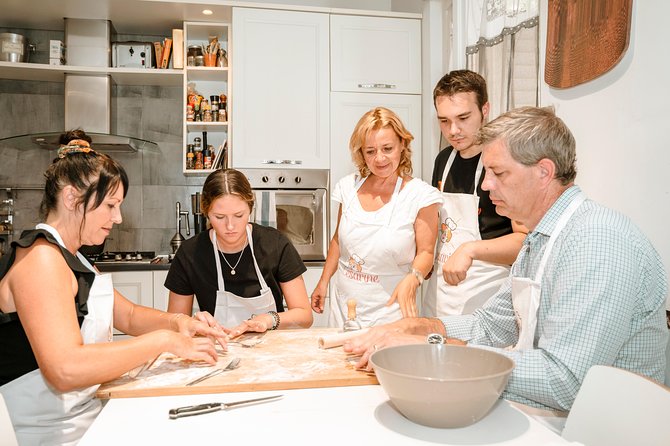
- A Cesarine host welcomes you like family inside a real home kitchen
- Hands-on pasta making plus tiramisù you can recreate later
- Small group size (max 12) so questions don’t get lost
- Complimentary prosecco, soft drinks, snacks, and tastings with your meal
- English instruction for an easier, more relaxed experience
A Palermo cooking class that skips the tourist script
Palermo is famous for street food and glorious market chaos. This class offers a different angle: sit down in a local home and learn how Sicilians actually cook comfort food—step by step, not through a lecture.
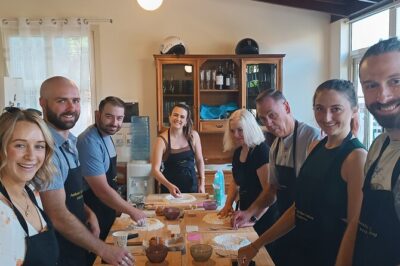
What makes it work is the setup. You’re not trapped in a big room with strangers and a timetable that feels rushed. Instead, you join a shared class with a maximum of 12 people, and your Cesarine host guides you through making pasta and tiramisù like it’s dinner at someone’s place. You also get the upside of being in Palermo but not battling the crowds outside.
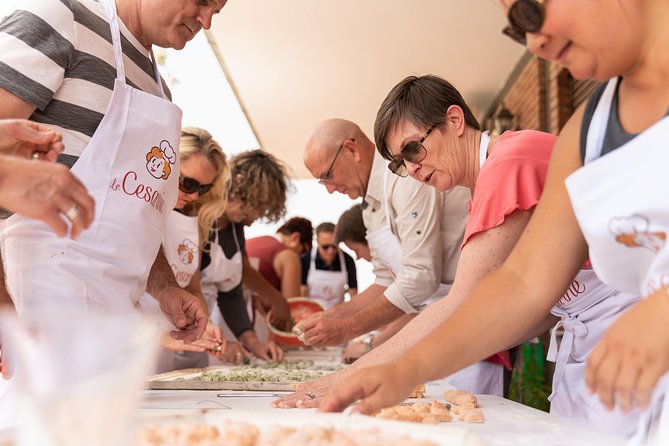
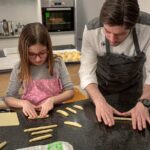
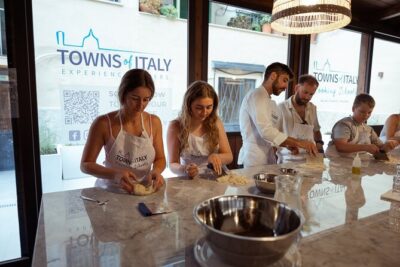
Rolling out fresh pasta and filling cannoli in a Palermo kitchen.
How the 3 hours typically flow (and why the timing matters)
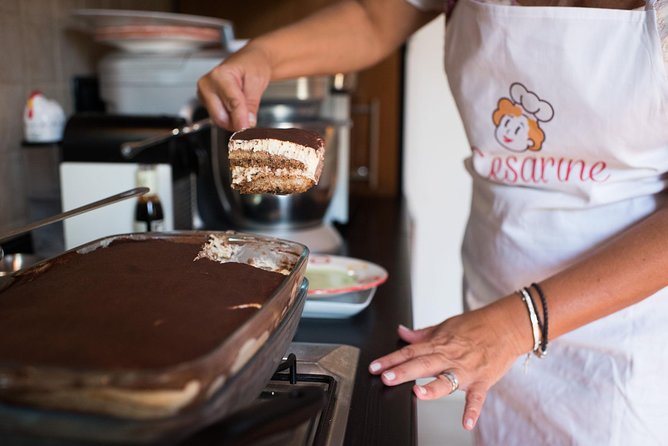
The class runs about 3 hours and follows a straightforward rhythm: arrive, cook, eat. You’re starting and ending back at the meeting point, so you don’t have to figure out a complicated route change mid-experience.
Here is the practical flow you can expect:
First, you’ll be welcomed into the home and brought into the work. The emphasis is on technique: prepping ingredients, learning how to handle dough, and understanding what makes a sauce work (not just copying a recipe).
Then you move into cooking mode. The class focuses on creating pasta and also making tiramisu. In several setups like this, the pasta course gets active first, then the tiramisù comes together while you’re finishing pasta and prepping to eat.
Finally, you sit down for the meal. Your group typically shares what you make, paired with the included snacks and drinks. In some host homes, dinner may happen on an outside terrace or rooftop-like space, depending on the property—always a pleasant bonus if the weather allows.
The timing is smart. Tiramisu needs time to chill, so the schedule naturally balances active cooking with a lighter, social finish when the dessert is ready.
Inside the Cesarine home: what the teaching style feels like
Cesarine hosts are the main event. In this kind of class, the best moments usually aren’t only the food—they’re the small teaching cues. You’ll be shown how to work the dough, how to watch cooking cues, and how to build flavor with simple ingredients.
You might be taught by hosts such as Francesca or Alice, and other named examples include Antonio and Pina. Each host has a personality, but the common thread is patient guidance. You’ll get room to try, and if something doesn’t go right the first time, you’ll be coached back onto track.
You should also know: this is taught in a way that assumes you want to cook again at home. That means the focus is on transferable skills—like how to choose flours, how to balance seasoning, and how to move from raw dough to cooked pasta without rushing.
What you’ll make: classic pasta skills and tiramisù layers
This class is built around three classic Italian recipes, with pasta and tiramisù at the center. The exact pasta shapes can vary by session, but you can think of it as learning fresh pasta fundamentals plus one or more specific styles (for example, ravioli or fettuccine-like shapes show up in similar formats).
Pasta: beyond just rolling dough
In a hands-on class like this, you’ll learn more than the “fun” part. You’ll work with the basics that actually affect the final bite:
- texture of the dough
- how to handle shaping (so it doesn’t tear)
- cooking cues once the pasta is in the pot
- how sauces cling and why that matters
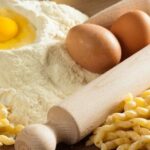
One tip that stands out from this experience style: you may learn to use traditional 00 flour, and you might work with a pasta machine. That combination helps you understand why handmade pasta feels different from boxed pasta—the dough is elastic in the right way, and the cooking result is more delicate and tender.
You’ll also see how sauce choice changes the experience. In many cases, you’ll make a pasta paired with a sauce such as pesto-style or ragu-style variations, which gives you a feel for flavor direction, not just a single recipe.
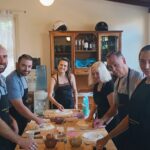
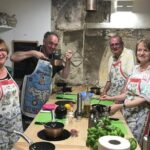
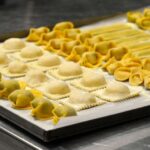
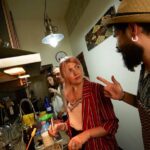
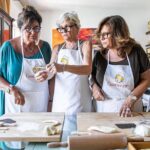
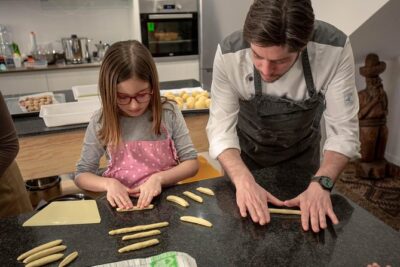
More pasta to make and eat in Palermo.
Tiramisu: assembling plus the wait for the chill
Tiramisu is the sweet finish, and the process is part of the lesson. You’ll learn how to put the layers together correctly—then you let it chill so it sets into that classic texture.
A nice detail: the schedule often has tiramisù chilling while pasta work finishes. That keeps the dessert from feeling rushed and also gives you time to enjoy the meal without watching a timer like a stress hobby.
The meal you eat: tastings, snacks, and drinks included
This is not a “cook for 2 hours and snack on one cookie” situation. The included food portion is a big reason the class feels like value.
You get complimentary:
- prosecco and soft drinks
- snacks
- meal tasting of what you made
In the dining part of the evening, you’ll sit down and eat the pasta courses and dessert. Some hosts add extra Italian wine as part of the pairing vibe, so don’t plan on needing to stop afterward for a drink.
Practical note: if you’re sensitive to rich foods, eat lighter earlier in the day. Several people mention that the portion of delicious food is substantial, so arriving hungry is great—arriving too hungry can be a lot.
Small-group size (max 12) and what it changes for you
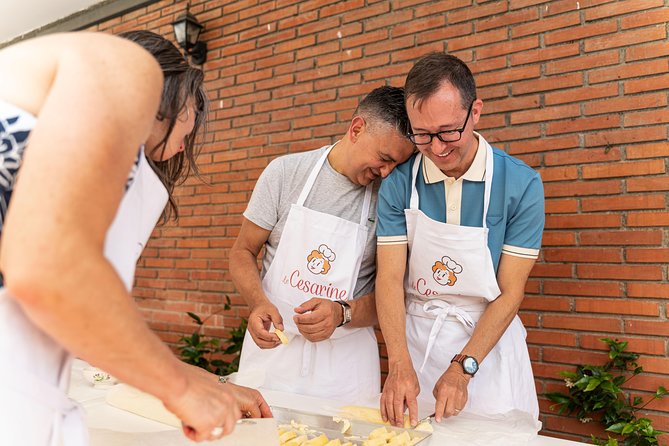
A group of 12 might not sound “small” on paper. In practice, it makes a difference because you’re in someone’s kitchen, not a big cooking studio.
With fewer people:
- your host can notice if your dough is too dry or too sticky
- you can ask questions while you’re working
- you’re less likely to feel like you’re only watching
It also changes the vibe. People tend to relax more. You talk while you knead or shape. And that matters because learning pasta is physical work; a calmer group makes it easier to succeed.
English instruction and how to get more out of it
The class is offered in English, which helps you understand the “why” behind the steps. That’s where your future cooking at home improves.
Here’s how you can get the most value from the language side:
- Ask one question about technique, not just ingredients (for example, why a dough consistency matters).
- Pay attention when the host talks about tools (like pasta machines or cutting/shaping steps).
- Don’t be afraid to say what you like—pasta and tiramisù are flexible, and good hosts adapt.
If you want, you can also use the meal time to ask for Palermo recommendations, since the hosts are often eager to share what to see and where to eat beyond the obvious.
Price and value: is $163.27 a good deal?
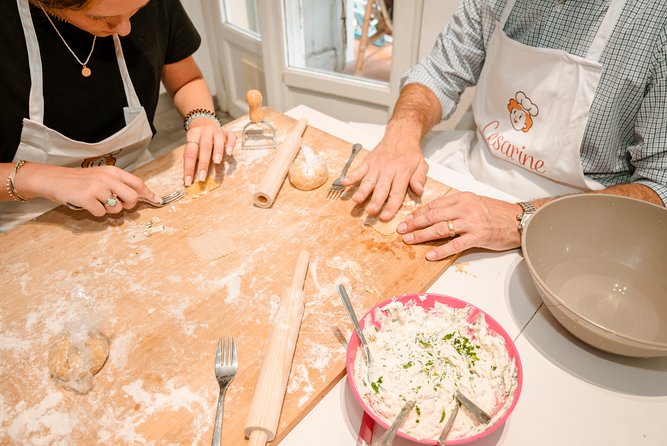
At $163.27 per person, you’re paying for more than a recipe card. You’re paying for:
- a private home setting with hands-on teaching
- a small group (max 12)
- a structured 3-hour experience
- complimentary drinks, snacks, and meal tasting
- the kind of practical food skills that are hard to learn on your own
Is it a bargain? Not exactly. But it’s also not in the “pay for a nice show” category. This is closer to paying for one-on-one attention spread across a small group, plus ingredients and the meal.
If you love cooking, this price starts looking sensible because you’re effectively buying time, coaching, and a full meal in one go. If you just want to taste, you might prefer a food tour. But if you want to leave Palermo with the confidence to cook pasta and tiramisù at home, the value is strong.
Practical tips for finding the house in Palermo
This is the one area where you can save yourself stress. Some people found the location hard to track down, and the outside picture wasn’t always accurate.
So do this:
- Get the host’s phone number right away (before you walk out of your hotel).
- Save it in your contacts and keep it accessible offline.
- Take a screenshot of the pin or directions you receive.
- Give yourself a few extra minutes so you’re not rushing through narrow streets.
Also, the class is near public transportation, which helps. You can plan a simple route, arrive calm, and focus on cooking instead of navigating.
Who this cooking class is best for
This experience fits best if you like:
- hands-on travel (your hands do the learning)
- Italian home cooking style
- a relaxed pace in a small group
- leaving with skills you can repeat at home
It’s also a good family option in spirit. One setup involved multi-generational groups, with everyone learning and eating together. If you’re traveling with kids, you’ll likely appreciate the guided structure.
You might choose something else if:
- you want a purely sightseeing-focused itinerary
- you hate eating rich foods and don’t want prosecco/snacks included
- you prefer cooking demonstrations where you don’t touch dough
Should you book the Palermo pasta and tiramisù class?
If you’re the type who likes to eat, but also wants the ability to recreate a meal later, I’d book it. The combination of a Cesarine host in a local home, a small group, and a finish that includes snacks, drinks, and a full meal tasting is exactly the kind of travel value that lasts after your suitcase is packed.
If your travel style is very schedule-fragile, just plan carefully around the time window and make sure you’ve got the host’s contact details. Beyond that small navigation consideration, this class is one of the most direct routes to a real Palermo food memory—fresh pasta dough under your hands, then tiramisù that tastes like you made it with someone who actually lives here.
FAQ
What recipes will I learn in this Palermo cooking class?
You’ll learn to make three classic Italian recipes, with pasta as the main focus and tiramisu as the dessert.
How long is the class?
The experience lasts about 3 hours.
Is the class offered in English?
Yes, the class is offered in English.
What is the group size?
The class has a maximum of 12 travelers, keeping it small and hands-on.
What’s included with the class price?
The price includes complimentary prosecco, soft drinks, snacks, and meal tasting as you eat what you helped make.
Can the host accommodate a gluten allergy?
One class example includes a host accommodating a gluten allergy and providing a gluten-free pasta recipe for that guest. If you have a gluten allergy, you should tell the operator ahead of time.
Is there free cancellation?
Yes. You can cancel for a full refund up to 24 hours in advance of the experience start time.
More Palermo Pasta Classes
More Tour Reviews in Palermo


More Palermo Cooking Classes
After something else? More tours and day trips around Palermo and western Sicily








Palermo Cooking Classes & Cannoli Workshops, compared.
 ★ 4.9Pizza and Gelato Cooking Class with Dinner and WineFrom $71951 reviews
 ★ 5.0Palermo’s Delight: Unleash the Secrets of Pizza and Gelato MakingFrom $60497 reviews
 ★ 5.0Sicilian Cooking ClassFrom $118289 reviews
 ★ 4.9Market Tour and Sicilian Cooking Class with LunchFrom $65229 reviews
 ★ 5.0Wanna be Sicilian: Palermo Cooking Class and Market TourFrom $60197 reviews
 ★ 5.0Cooking class in a villa with Palermo viewFrom $139155 reviews
 ★ 5.0Fresh pasta and tiramisù class in PalermoFrom $10296 reviews
 ★ 4.9Pasta & Tiramisu Cooking Class at a Local’s HomeFrom $15274 reviews
Browse the lists this tour appears in