
Reviewed · PALERMO COOKING CLASSES & CANNOLI WORKSHOPS
Share Your Pasta Love in Local’s Home in Palermo
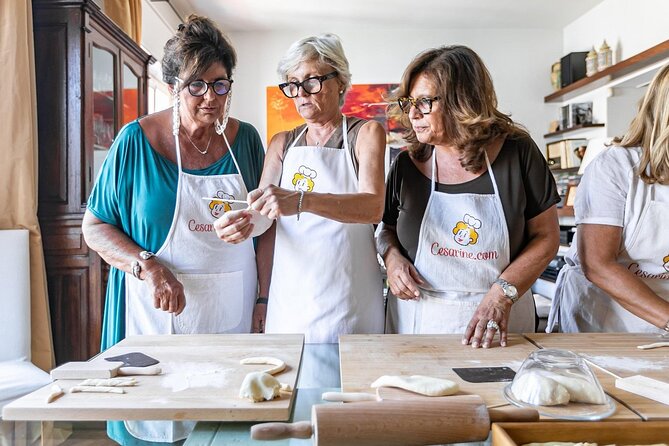
Fresh pasta starts with your hands. In this small-group class inside a Palermo home, I love that you’ll learn to shape classic Sicilian pastas (think busiate and ravioli) with a real cook, and then eat what you made for lunch or dinner with wine. One thing to consider: it’s hands-on for about 90 minutes, so you should be ready to get flour on your sleeves.
You’ll begin with a warm welcome—usually a small appetizer and an aperitif—so you can settle in fast and get comfortable with the group and your host. The class is offered in English, and it keeps things practical with a max group size of 10, near public transportation, and a mobile ticket you can show on your phone.
In This Review
- Key Points Worth Clocking Before You Go
- A 90-Minute Pasta Class in a Palermo Apartment
- First Comes the Welcome: Aperitif, Small Bites, and Settling In
- What You’ll Cook: Busiate, Ravioli, Tagliatelle, and Sicilian Comfort
- Technique You Can Take Home: Dough Feel, Rolling, and Sauce Logic
- Lunch or Dinner at the Table: Wine, Your Own Work, and the Palermo Pace
- Price and Value: What $95 Buys in a Local Kitchen
- Who Should Book, and Who Might Skip This
- Should You Book This Palermo Pasta Class?
- FAQ
- How long is the Palermo pasta-making class?
- What does the class cost?
- Is the class offered in English?
- How many people are in a group?
- What do I cook and eat during the class?
- Is there an appetizer or welcome drink?
- What is the cancellation policy?
Key Points Worth Clocking Before You Go
- A local home setting, not a studio: You cook in a real apartment-style kitchen with a sit-down meal at the same home.
- Three pasta dishes in one session: You’re not just watching. You’re mixing, kneading, shaping, and learning sauce logic.
- Hosts who teach step-by-step: Past sessions highlight clear instructions and practice, including names like Rosa Maria and Pina.
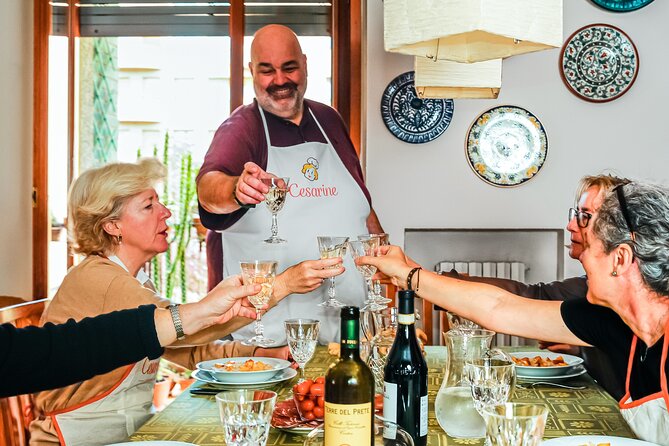
- Wine with your meal: One bottle of wine per three guests is part of the experience when you sit down to eat.
- Close to public transport: Meeting point is in Palermo and noted as near transit, which helps if you’re bouncing around the city.
- Small cap on group size: With a maximum of 10 travelers, it stays friendly and personal.
A 90-Minute Pasta Class in a Palermo Apartment
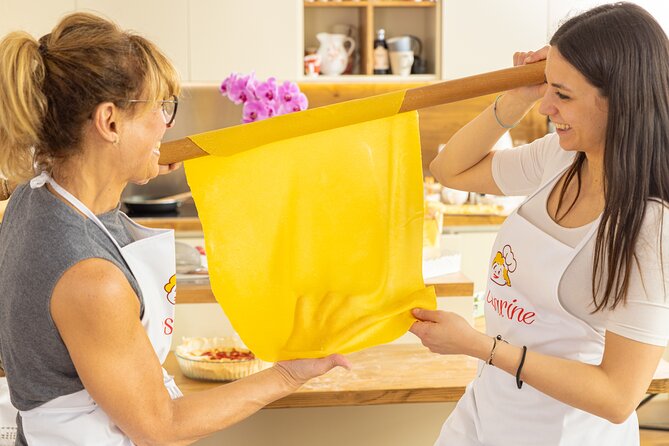
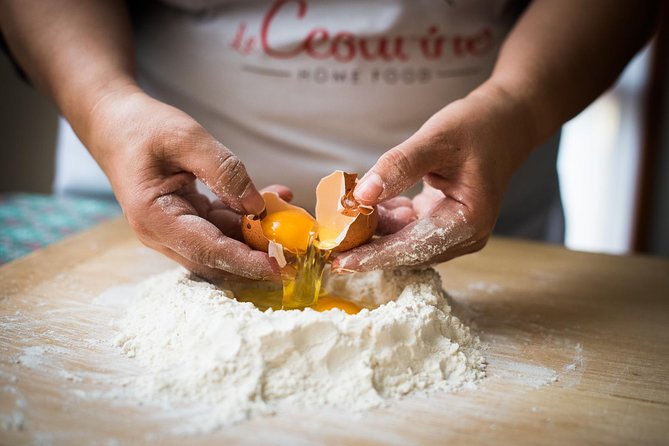
This is the kind of experience you choose when you’re tired of bus routes and want food with context. You’re spending about 1.5 hours learning fresh pasta the Palermitan way, and that time flies because you’re doing actual work: mixing dough, kneading, rolling, shaping, and then eating at the end.
The structure is simple and it works. You arrive, you get greeted, you cook. Then you sit down and eat what you made, with wine. It’s not a lecture night. It’s a kitchen night.
The most useful part for me is that you’re not relying on tricks from a video. You’re getting guidance from someone who’s done this in their own home style, and that matters when you’re trying to repeat it later.
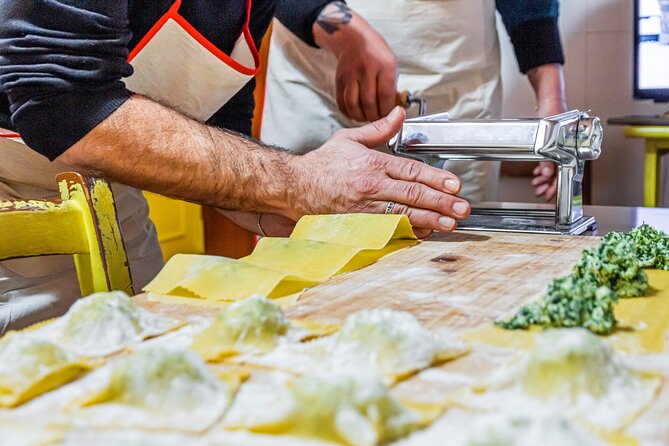
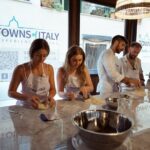
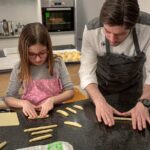
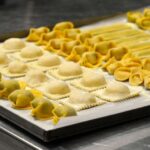
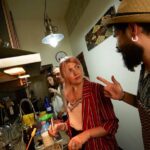
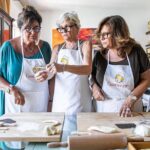
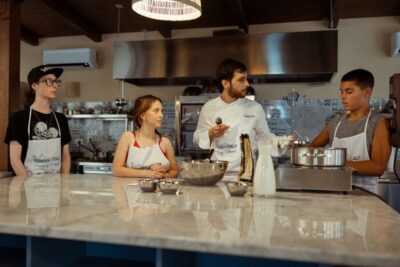
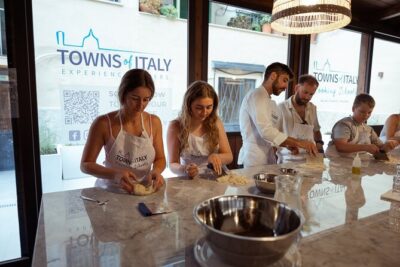
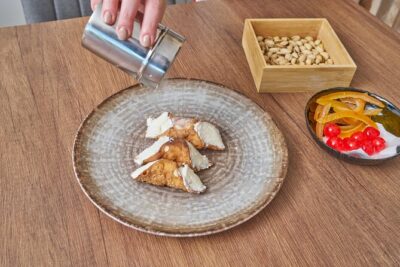
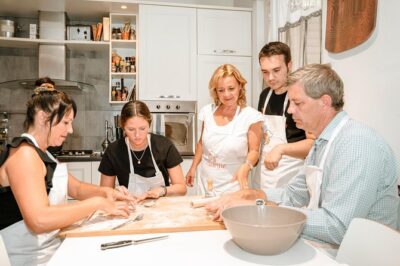
Rolling out fresh pasta and filling cannoli in a Palermo kitchen.
First Comes the Welcome: Aperitif, Small Bites, and Settling In
Before flour ever shows up, you start with a traditional Italian welcome. Expect a small appetizer plus an aperitif, and you’ll get a feel for the evening’s rhythm before you start cooking.
This appetizer stage does two things. First, it makes the experience feel social right away, even if you come solo. Second, it helps you understand how the host runs the kitchen without stress. In Palermo, where meals tend to be a slower kind of event, this warm-up puts you in the right mood for the work ahead.
Because it’s offered in English and capped at 10 people, you should have time to ask basic questions—how the dough should feel, how to work with the sauce, and what to watch for so your pasta doesn’t turn out tough or undercooked.
What You’ll Cook: Busiate, Ravioli, Tagliatelle, and Sicilian Comfort
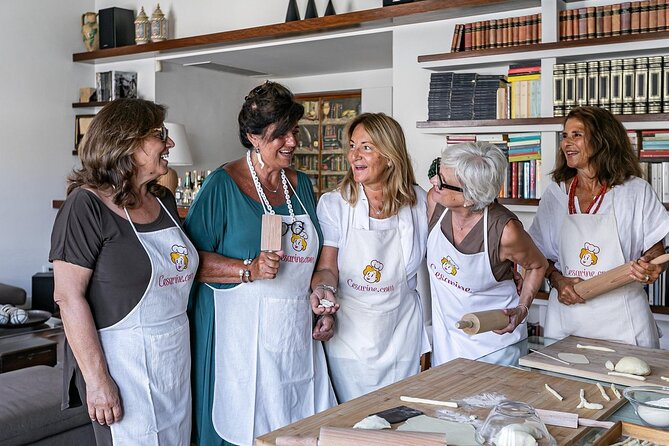
The core promise is three traditional pasta dishes with classic sauces. Your exact list can vary by session and host, but the menu you should be prepared for includes choices like busiate, ravioli, tagliatelle, gnocchi, and anellini.
Here’s what that mix tells you about the class style:
- Busiate and tagliatelle lean into pasta shape and texture—how thin to roll, how to keep the dough elastic, and how to pair with a sauce.
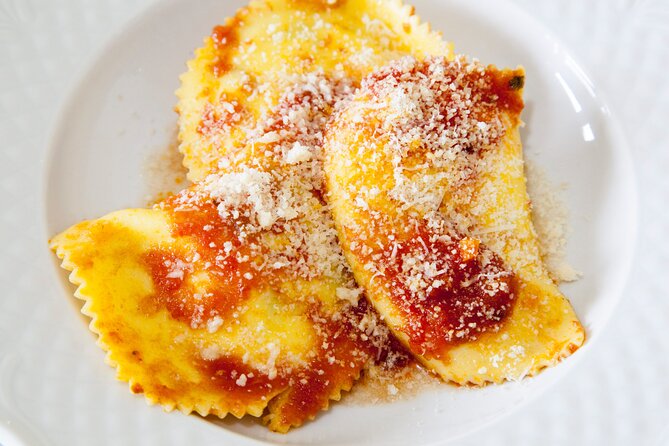
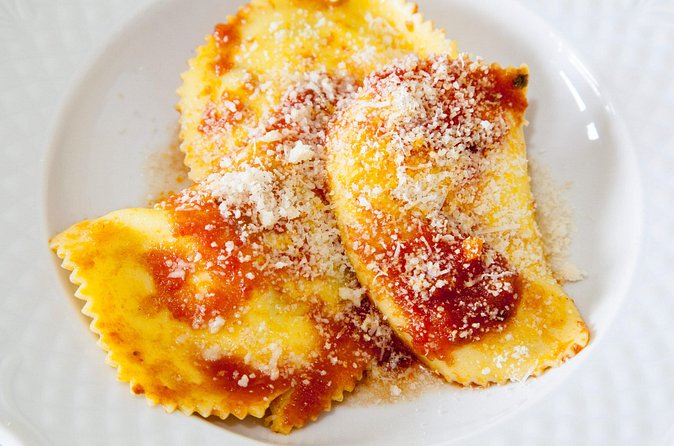
- Ravioli adds structure. You learn to seal, fill, and handle the pasta without tearing it.
- Gnocchi is a different skill set—gentle forming and the right feel so they hold together.
- Anellini are smaller pasta shapes, often used where sauce cling matters.
In several past sessions, hosts have also included a simple dessert moment, with tiramisu coming up as something you might learn and then taste. That’s not guaranteed from every run, so treat it as a bonus if your host includes it—but it’s a good sign that these lessons often cover the full meal arc, not just pasta.
Technique You Can Take Home: Dough Feel, Rolling, and Sauce Logic
The real value here is technique, the stuff you can actually recreate. In past classes, hosts like Rosa Maria and Pina have been praised for teaching with a clear sequence: they explain each step, demonstrate what they want, and then you practice.
When you’re learning fresh pasta, there are two big pitfalls. One is dough that’s too dry or too sticky. The other is pasta that’s cooked too quickly or too long because you don’t yet know what “ready” looks like.
A good host will guide you to the sensory checks that matter. You’re learning what the dough texture should feel like, how to handle it while it’s still flexible, and how to manage the workflow so you’re not rushing at the end.
You’ll also get sauce technique. Even if you’ve eaten pasta in Italy before, cooking sauces properly is different. The goal isn’t just flavor—it’s consistency and timing, so the sauce coats the pasta and tastes balanced rather than heavy.
Some sessions specifically mention working with regional ingredients and classic aromatics like garlic, tomatoes, and basil. You don’t need a tasting menu for this to be memorable. You just need the right proportions and the right moment to combine everything.
Lunch or Dinner at the Table: Wine, Your Own Work, and the Palermo Pace
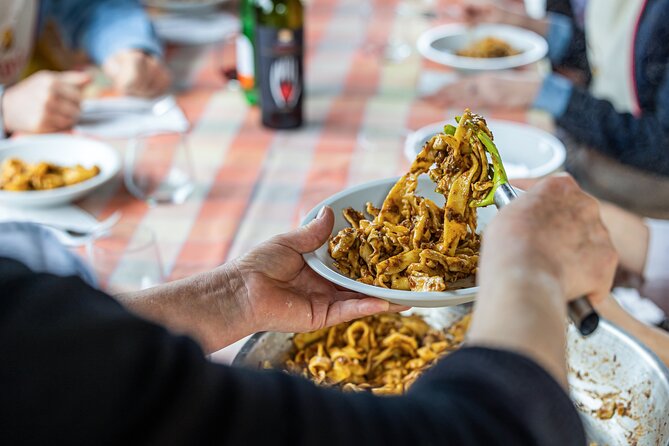
After cooking, you sit down to eat. This is when the experience becomes more than a lesson. You’re served what you prepared, and it’s paired with wine—one bottle per three guests.
There’s a big psychological shift in a home meal like this. Cooking in someone’s kitchen makes the food feel earned. And when you share the table, the class becomes part of a real evening, not a drop-in activity.
You can also expect the meal to feel like Palermo. You’re not eating in a rush. You’re tasting, talking, and comparing how your pasta turned out to your neighbor’s pasta. That last part sounds small, but it helps you learn faster: you notice texture, sauce thickness, and doneness without even trying.
For anyone worried this might feel too formal or too stiff: most of the charm comes from the host being friendly and the group staying small. You’ll likely feel like you’re at a long family meal more than in a classroom.
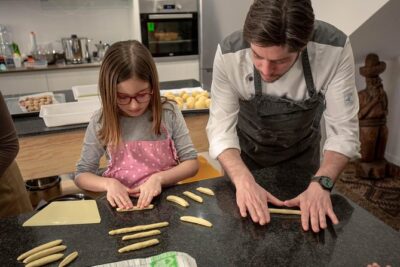
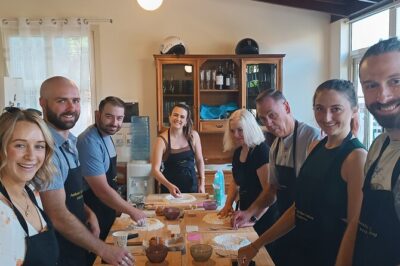
More pasta to make and eat in Palermo.
Price and Value: What $95 Buys in a Local Kitchen
At $95.18 per person for about 1 hour 30 minutes, this isn’t the cheapest thing on your Palermo list. But the price makes sense when you look at what’s included:
- Instruction from a home cook (not just a guide).
- Hands-on work with dough and shaping.
- Three pasta dishes and classic sauces.
- A welcome appetizer and aperitif.
- Wine with your meal.
- A max group size of 10.
In other words, you’re paying for skill transfer plus food plus the social value of eating in a local home setting. You’re not just buying a plate. You’re buying the ability to repeat a technique later.
One practical way to judge value: think about how many meals like this you’d normally pay for in a central Palermo neighborhood. This experience packages the meal cost with the cooking lesson, and that’s why people tend to feel satisfied at the end.
Who Should Book, and Who Might Skip This
This class is a great fit if you want:
- A hands-on food experience instead of a standard guided tour.
- A chance to learn fresh pasta techniques you can recreate at home.
- A small-group setting in a real Palermo home.
- English instruction with the chance to ask questions.
It may not be perfect if you’re short on time and want something you can finish in under an hour. It’s also best if you’re comfortable working at a steady pace. The kitchen moves, and the goal is to produce pasta you’ll eat at the table.
If you’re traveling with kids, this can also work well. Past sessions mention families bringing children and having a good time, with the activity feeling hands-on rather than passive.
Should You Book This Palermo Pasta Class?
If you want an experience that feels like Palermo—food first, people close, and learning built into the meal—this is a strong yes. The combination of fresh pasta practice, a real home setting, and a sit-down finish with wine is hard to beat for the price.
I’d book it especially if fresh pasta is on your wish list and you like the idea of learning shapes and sauces you can’t easily copy from casual dining. With a small group size and English instruction, you’ll likely feel included rather than rushed.
Go in with a simple mindset: show up hungry, be ready to work with dough, and treat the meal as part of the class, not an add-on.
FAQ
How long is the Palermo pasta-making class?
It lasts about 1 hour 30 minutes.
What does the class cost?
The price is $95.18 per person.
Is the class offered in English?
Yes, it’s offered in English.
How many people are in a group?
The experience has a maximum of 10 travelers.
What do I cook and eat during the class?
You learn to create three traditional pasta dishes with classic sauces, and you sample the dishes you make served with wine over lunch or dinner.
Is there an appetizer or welcome drink?
Yes, the experience includes a small appetizer and aperitif as part of the welcome.
What is the cancellation policy?
There is free cancellation. You can cancel up to 24 hours in advance for a full refund. Cancellation rules depend on the local start time.
More Palermo Pasta Classes
More Tour Reviews in Palermo


More Palermo Cooking Classes
After something else? More tours and day trips around Palermo and western Sicily







Palermo Cooking Classes & Cannoli Workshops, compared.
 ★ 4.9Pizza and Gelato Cooking Class with Dinner and WineFrom $71951 reviews
 ★ 5.0Palermo’s Delight: Unleash the Secrets of Pizza and Gelato MakingFrom $60497 reviews
 ★ 5.0Sicilian Cooking ClassFrom $118289 reviews
 ★ 4.9Market Tour and Sicilian Cooking Class with LunchFrom $65229 reviews
 ★ 5.0Wanna be Sicilian: Palermo Cooking Class and Market TourFrom $60197 reviews
 ★ 5.0Cooking class in a villa with Palermo viewFrom $139155 reviews
 ★ 5.0Small group Pasta and Tiramisu class in PalermoFrom $163109 reviews
 ★ 5.0Fresh pasta and tiramisù class in PalermoFrom $10296 reviews
Browse the lists this tour appears in