
Reviewed · PALERMO COOKING CLASSES & CANNOLI WORKSHOPS
Palermo’s Delight: Unleash the Secrets of Pizza and Gelato Making
Pizza and gelato in one class sounds too good.
This hands-on cooking session is a fun way to learn real Italian techniques (not a tourist plate) while you hear the history of pizza and gelato as the dough and ingredients come together. I especially liked how small groups get real attention, and how the instructors keep it practical and forgiving if your first pizza looks a little odd. One thing to consider: the class is fast-moving and, for some people, you may want more explanation about the science behind the dough and flour.
You’ll start at Via Volturno and spend roughly three hours making, baking, and tasting. Expect a mix of demo and do-it-yourself steps, plus drinks with your meal. If you’re celiac, this is not suitable, so plan other options.
In This Review
- Key things I’d bookmark before you go
- Meeting at Via Volturno and Getting Set Up Fast
- Making Pizza Dough Like a Palermo Pizzaiolo
- Dough Rest, Drinks, and Gelato Time With Real Technique
- Stretch, Top, and Bake: Your Pizza Margherita, Marinara, and Capricciosa
- Value Check: What $60.95 Gets You in Palermo Time
- What You Take Home: Skills, Recipes, and Local Tips
- Who Should Book This Class (And Who Should Probably Skip It)
- Should You Book Palermo’s Delight?
- FAQ
- What is the duration of Palermo’s Delight?
- What is included in the price?
- Is this class vegetarian-friendly?
- Is it suitable for celiac?
- Does it run in rain?
- Are pets allowed on the tour?
Key things I’d bookmark before you go
- Pizzaiolo-led dough work with tips that actually help you handle pizza dough without fear
- Gelato hands-on time plus a gelato-making demonstration while the pizza dough rests
- Wine or Marsala with your meal, and soft drinks for children
- A small max group size (up to 20), so you get guidance instead of watching from the sidelines
- You leave with more than food: utensils, an apron, a certificate, and a digital recipe booklet
Meeting at Via Volturno and Getting Set Up Fast
Your class begins at Via Volturno, 44, Palermo, right back at the same meeting point. The location is near public transportation, which matters because you don’t want a “where is it exactly?” scramble while you’re hungry.
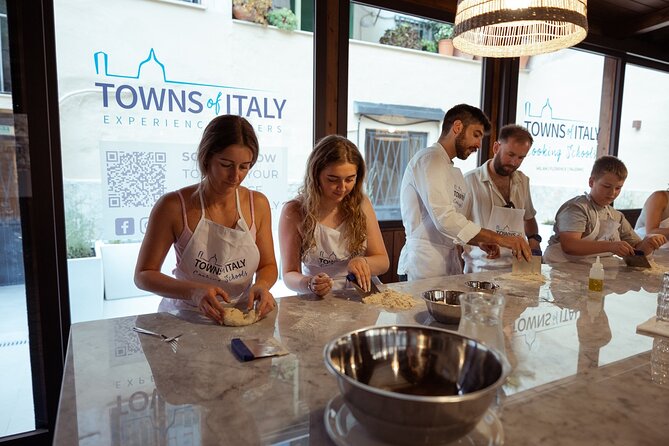
In the first stretch of the session, you’ll get pulled into the rhythm of a working kitchen: apron on, utensils ready, and an instructor-style welcome. Several people mention instructors who are funny and patient, including teachers named Lidia, Enza, Salvo, and Marcello/Federico in different runs. That matters more than it sounds. Pizza dough is one of those things where confidence helps. If your hands are clumsy, a good teacher makes the steps feel doable.
You should also know the class is described as rain or shine, so you’ll want layers even if Palermo feels warm. And yes, it’s a real cooking format: you’re not just being shown how things work while you watch someone else do everything.
Also pay attention to the dietary details before you arrive. The class is said to be welcoming for vegetarians and common intolerances, with alternative recipes available if you give advance notice. But it’s specifically not suitable for celiac, so don’t assume you can swap ingredients and be fine.
If you want a simple rule for your day: arrive ready to cook, ask any allergy/intolerance questions early, and keep your expectations realistic. The goal isn’t perfection. The goal is to understand how to make pizza and gelato with techniques you can repeat later.
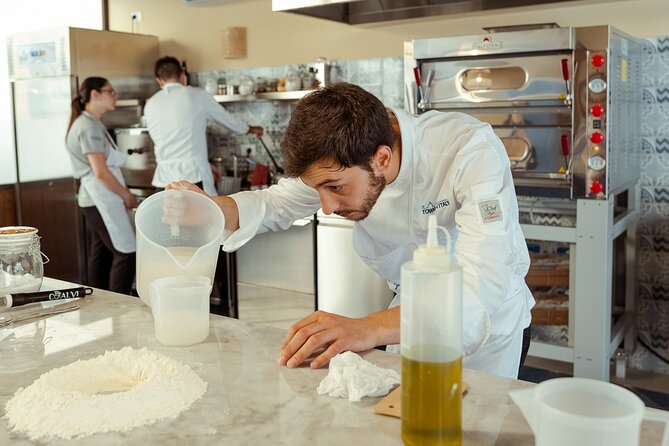
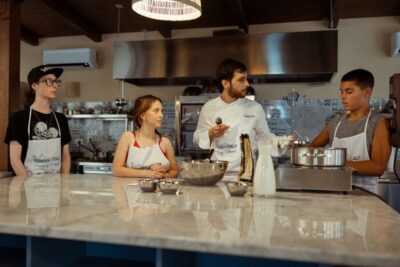
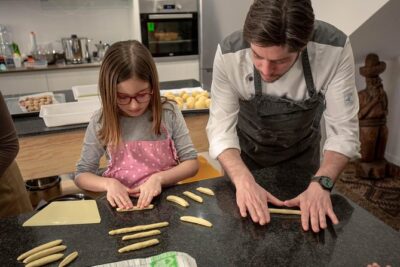
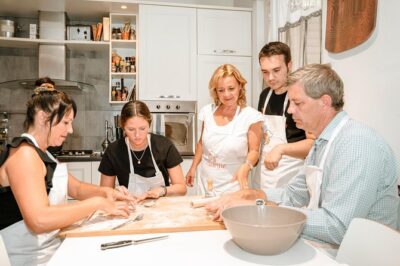
Rolling out fresh pasta and filling cannoli in a Palermo kitchen.
Making Pizza Dough Like a Palermo Pizzaiolo
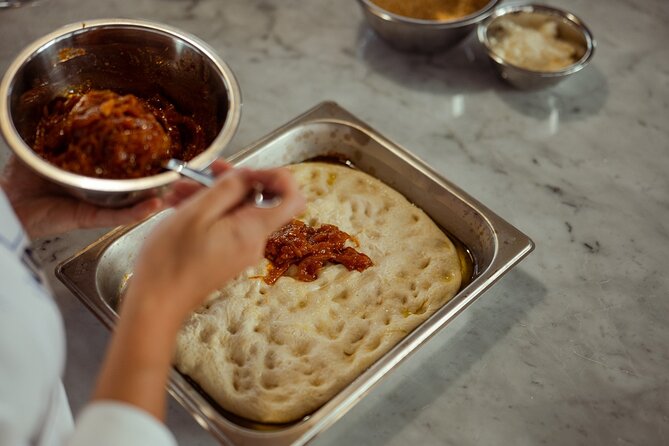
The core of this class is pizza, and it starts with dough—because everything good starts there. You’ll learn by watching an expert pizzaiolo demonstration and then doing the steps yourself. A recurring theme in the reviews: instructors help you find the right feel. Kneading isn’t just a workout. It’s texture training.
One tip you’ll hear in different forms is to be gentle with the dough and keep an eye on how it responds. A review mentions a spring-back test: you poke or press, then notice how the dough rebounds. That’s a practical way to check elasticity and readiness without needing a lab.
You’ll also hear some of the “why” behind the hands-on method, plus the broader story of pizza—how it became Italy’s go-to comfort food and why technique matters. Even if you don’t care about history trivia, it’s useful. When you know why the dough rests, you stop fighting it and start working with it.
The dough-making portion is also where group size matters. With a max of 20 people, and many experiences described as small and intimate, you’re more likely to get the kind of corrections that prevent wasted dough. Several reviews mention individual help and a smooth instructor setup between chefs/instructors.
One possible drawback: some people say there aren’t enough explanations about terminology and process details—like differences in flour types or how yeast timing relates to temperature. If you’re the type who loves bread-science, you might leave with unanswered questions. You’ll still likely come away with usable steps, but it won’t feel like a full pastry course.
Dough Rest, Drinks, and Gelato Time With Real Technique
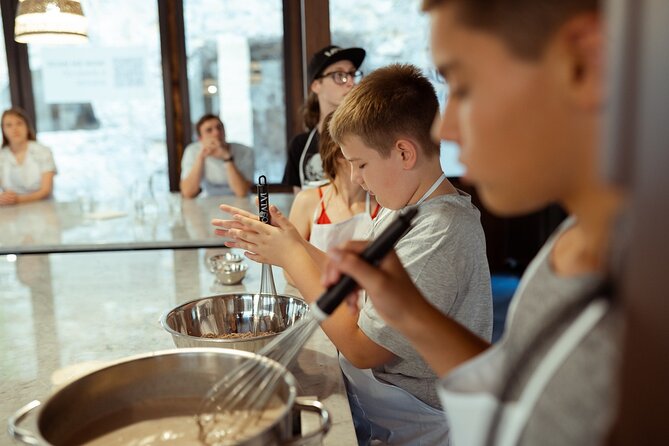
While your pizza dough rests (and this is where patience earns you better results), you pivot to gelato. This class includes a gelato making demonstration, and in many runs you’ll also get your hands involved.
A few people specifically describe making vanilla-style gelato and using a gelato maker, then churning and setting the dessert aside. Others mention the dessert ending as Chocolate Gelato in the menu. Either way, you’ll learn how gelato texture comes from method—mixing, churning, and timing—rather than just flavor choices.
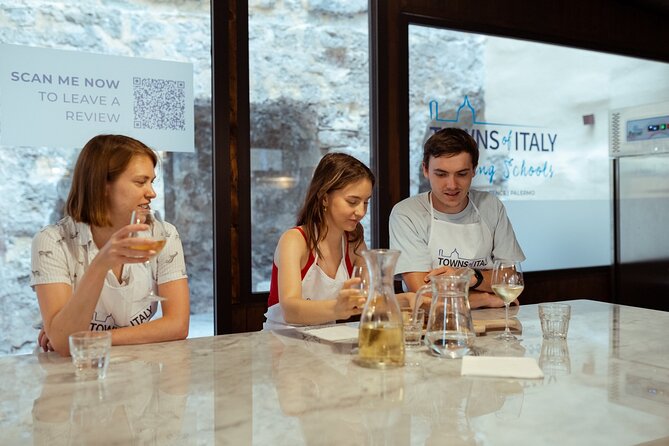
This is also when the class adds the social part. Drinks are included with your meal: adults get Sicilian wine or Marsala wine, and children get soft drinks. Reviews also mention wine time happening in the middle of the process, not at the very end. That’s smart: it keeps the energy up while you’re waiting for the dough.
Don’t underestimate the value of “while it rests” timing. Dough rest is boring if you’re waiting alone. Here, you’re actively cooking dessert. That turns the downtime into a learning moment.
And yes, gelato comes with context too. The class description includes the history of gelato, and that helps you see it as more than a sweet ending. Gelato has its own identity in Italian food culture, and the way it’s made connects to the same respect for ingredients you’ll see in pizza.
If you’re thinking about kids: the reviews are bluntly positive. Families mention it as fun for different ages, with instructors staying upbeat and helpful. Just remember it’s still a real kitchen. If you’re bringing young kids, set expectations for an activity that includes heat, tools, and careful steps.
Stretch, Top, and Bake: Your Pizza Margherita, Marinara, and Capricciosa
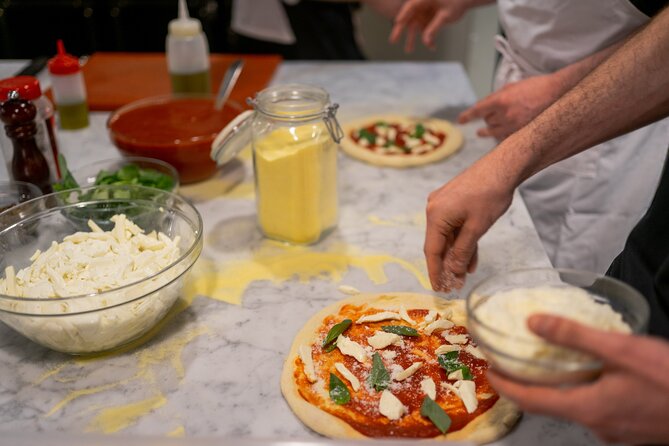
Once the dough is ready, it’s time for the signature move: stretching. You’ll learn how to shape the dough and then top it with classic options.
The sample menu includes:
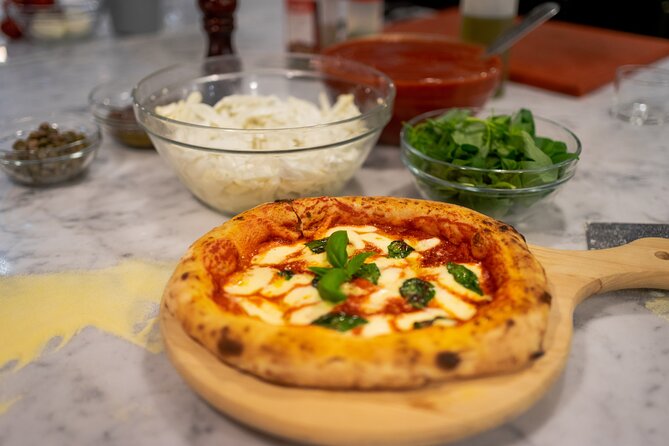
- Pizza Margherita (tomato sauce, mozzarella, basil)
- Pizza Marinara (tomato sauce, anchovies, garlic, oil, oregano)
- Pizza Capricciosa (tomato sauce, mozzarella, cooked ham, artichokes, olives, wurstels)
- Chocolate Gelato as dessert
Your toppings might vary based on dietary needs, but those classics are the anchors.
A review gives a useful detail on baking: pizza goes into a very hot oven (they mention around 800 degrees), and it cooks fast. That’s why the stretching and topping steps are so important. You need to be efficient, not rushed—like you’re assembling a hot-weather meal, not a slow-bake project.
One practical reason this class is worth it: you learn how to top and transfer your pizza safely. People describe being taught how to put the pizza on the paddle and into the oven. That’s not glamorous, but it’s exactly what you want if you ever try again at home and your first attempt ends as a sad cheese spill.
Also, don’t panic if your first stretch doesn’t look round. Reviews mention clumsy-but-encouraged attempts, with instructors helping everyone get an edible result. The vibe is: learn the method, then improve next time.
When you finally eat, you’re not paying for a restaurant meal you could find anywhere. You’re tasting food you assembled and baked, with the learning still fresh. That connection is what makes the experience feel like more than a class.
Value Check: What $60.95 Gets You in Palermo Time
At $60.95 per person for about three hours, you’re paying for a bundle: instruction, tools, the ingredients, and a meal component with drinks. You also get a graduation certificate and a digital booklet with recipes to take home.
Is it a bargain? If you like hands-on food experiences, it usually feels fair because you’re not just sampling—you’re building skills. You’re also not stuck doing one tiny step. The format includes both pizza-making and gelato-making, plus tasting your own work.
Another value point: you’re learning in a place where people actually care about the craft. Palermo’s pizza culture is local, and the class aims to keep the style authentic—fresh tomato, mozzarella, classic toppings, and the kind of method-focused teaching that helps you replicate results later.
Where value can vary is in expectations. If you want deep technical bread science, you might feel the explanations are a bit light. If you want a high-energy, practical evening where you leave fed and proud, this tends to land well.


What You Take Home: Skills, Recipes, and Local Tips
The most valuable souvenir isn’t the certificate. It’s the set of actions you’ll remember the next time you buy flour.
From this class, you should come away understanding:
- how to make pizza dough and manage its feel
- how stretching and topping lead to a good bake
- how gelato is built with method, not just flavor
- how pizza and gelato history connects to modern Italian food culture
You’ll also receive a digital recipe booklet, which is huge if you want to repeat the recipes later without relying on memory. People mention getting restaurant suggestions in Palermo too, though that part may vary by instructor. One review described a Polaroid photo and a list of favorite local places, which sounds like the kind of extra touch you might get depending on the team running your session.
In any case, having a written guide plus a personal memory of how the dough behaved helps you translate the “Italian food magic” into real home cooking.
Who Should Book This Class (And Who Should Probably Skip It)
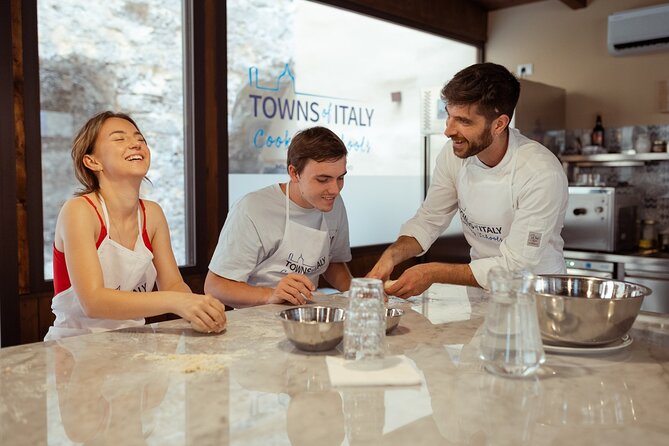
This class is a strong match if:
- you want a fun, interactive evening instead of a passive tour
- you enjoy learning by doing, with coaching when your hands need it
- you want classic pizza styles and a gelato finish, with drinks included
- you’re traveling with kids or across generations, since many reviews say it works well for mixed ages
It’s a tougher match if:
- you’re celiac (the class is not suitable for celiac)
- you expect a thorough, science-heavy explanation of dough chemistry and flour differences
- you’re the type who gets stressed by cooking steps (the upside is instructors are patient, but it is still active work)
If you’re allergic or have food intolerances, you’ll want to communicate details in advance, because the class includes alternative and vegetarian recipes only when planned ahead.
Should You Book Palermo’s Delight?
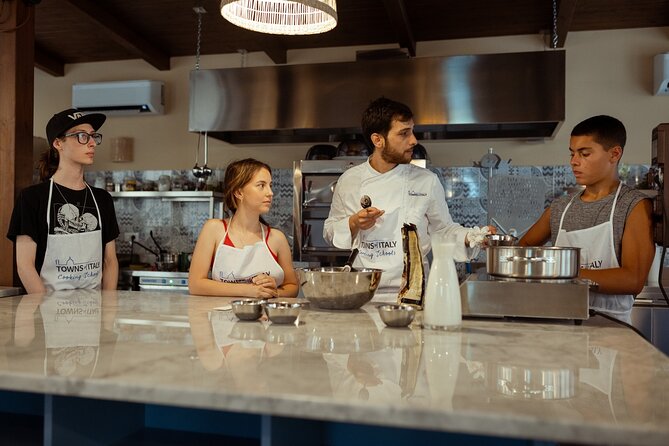
I’d book this if you want a hands-on evening that feeds you well and teaches you techniques you can actually repeat. The combination of pizza-making + gelato-making, the included drinks, and the small-group feel (often intimate) makes it feel like a serious experience for the money, not just a gimmick.
Skip it only if your dietary needs make it unsafe (notably celiac) or if you’re looking for a more academic baking course. Otherwise, this is a smart way to spend a few hours in Palermo while learning why Italian pizza and gelato taste the way they do.
FAQ
What is the duration of Palermo’s Delight?
The class runs for about 3 hours.
What is included in the price?
You get a pizza and gelato lesson with a local chef, use of an apron and cooking utensils, a graduation certificate, a digital booklet with recipes, and a gelato making demonstration. You also get lunch or dinner with wine (or Marsala wine) for adults, and soft drinks for children.
Is this class vegetarian-friendly?
Yes. Vegetarian and other alternative recipes are available if you provide advance notice.
Is it suitable for celiac?
No. This activity is not suitable for celiac.
Does it run in rain?
Yes, it runs rain or shine.
Are pets allowed on the tour?
No, pets are not permitted on these tours.
More Tour Reviews in Palermo
More Palermo Cooking Classes
After something else? More tours and day trips around Palermo and western Sicily





Palermo Cooking Classes & Cannoli Workshops, compared.
 ★ 4.9Pizza and Gelato Cooking Class with Dinner and WineFrom $71951 reviews
 ★ 5.0Sicilian Cooking ClassFrom $118289 reviews
 ★ 4.9Market Tour and Sicilian Cooking Class with LunchFrom $65229 reviews
 ★ 5.0Wanna be Sicilian: Palermo Cooking Class and Market TourFrom $60197 reviews
 ★ 5.0Cooking class in a villa with Palermo viewFrom $139155 reviews
 ★ 5.0Small group Pasta and Tiramisu class in PalermoFrom $163109 reviews
 ★ 5.0Fresh pasta and tiramisù class in PalermoFrom $10296 reviews
 ★ 4.9Pasta & Tiramisu Cooking Class at a Local’s HomeFrom $15274 reviews
Browse the lists this tour appears in