
Reviewed · PALERMO SUNSET SAILING & APERITIF CRUISES
The art of the Italian Aperitivo with a local: Learn & Enjoy in Palermo
Six o’clock, a Sicilian table, and real food. This hands-on Palermo aperitivo workshop puts you in a local home with a certified Cesarine host, where you’ll learn how to recreate the classic Italian aperitivo mood at home, not just copy recipes. I love the mix of cooking plus eating right away, and I also love that the snacks are built around Sicilian ingredients. One catch to weigh: it’s only about two hours, so you’ll leave with skills and favorites, but not a full mastery course for every detail.
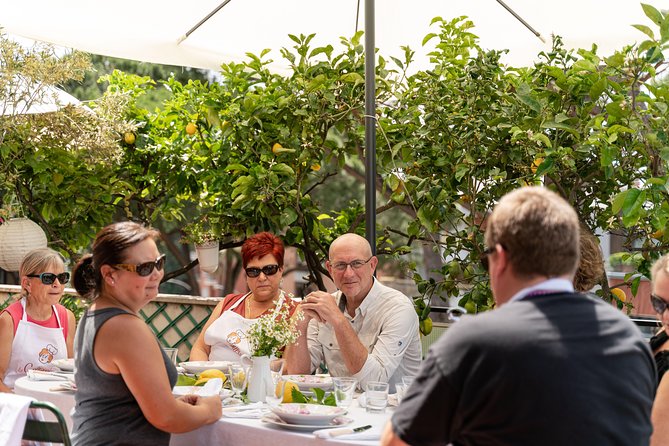
The evening runs like a warm family get-together. You’ll work on an authentic selection of five nibbles, then sit down for what you made, paired with wine and bubbly. From the hosts I’ve heard described—like Signora Pina, and Rosa with Fabio—you get that real Sicilian welcome that makes the whole thing feel less like a class and more like dinner with instructions.
Practical note: because this takes place in a private home and not a big venue, you’ll want to come prepared to be flexible and a bit hands-on. If you need very specific dietary accommodations, you should message ahead, since the focus is traditional Sicilian bites made from local ingredients.
In This Review
- Key things that make this aperitivo class worth it
- Palermo’s aperitivo hour, the local way
- Cesarine in Palermo: what the network actually means
- The 6:00 pm setup: where you start and how the night flows
- Your menu: five Sicilian nibbles you can recreate at home
- Bruschetta with fragrant olive oil
- Market vegetables, grilled and practical
- Charcuterie and cheeses in Sicilian style
- The surprises that make it memorable
- Cooking with your host: technique, pacing, and confidence
- Wine, bubbly, and the aperitivo table that brings it together
- Why this workshop is good value (and when it’s not)
- Who should book this Palermo aperitivo class
- A practical guide for making the most of your evening
- Should you book the Italian aperitivo class in Palermo?
- FAQ
- FAQ
- How long is the aperitivo workshop?
- Where does the experience take place?
- Is this a private experience?
- What will we prepare during the workshop?
- Are drinks included?
- Can I cancel for a full refund?
Key things that make this aperitivo class worth it
- Cesarine certified home cooks guide you in a real Palermo home, not a demo kitchen
- Five Sicilian nibbles that you prepare and then eat, so nothing feels like filler
- Sicily-only wines (red and white) plus bubbly to match the aperitivo hour style
- Hands-on help can be more involved if your group ends up small
- A social table where you swap stories while the aperitivo rolls along
Palermo’s aperitivo hour, the local way
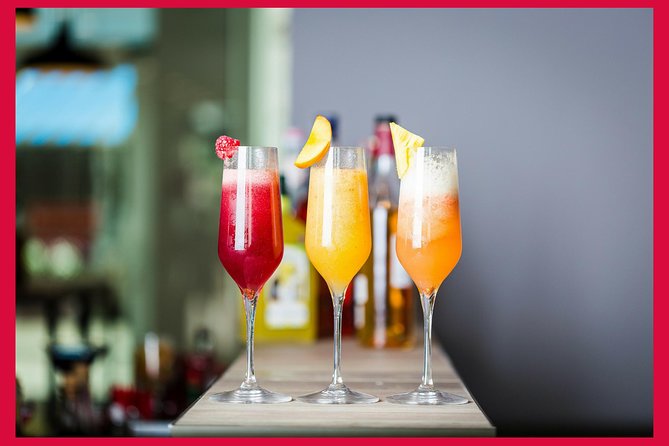
In Palermo, aperitivo isn’t just a drink before dinner. It’s a rhythm: you slow down, you graze, you talk, and you let the evening start in a relaxed way. That’s exactly what this class is aiming for. You’re not learning aperitivo as a trend—you’re learning it as a daily Italian habit.
And because it’s in a home, you feel the difference right away. Restaurant aperitivo can be loud and fast. Here, you’re in a quieter setting with a host who knows how the evening should feel. You’ll see why people say the aperitivo table matters just as much as the food: it’s where the story starts.
If you’re the type who likes to go beyond the big monuments and actually understand how people live, this is a strong fit. You get the how and the why, not just a plate.
Back out on the water off Palermo with an aperitivo at sunset.



Cesarine in Palermo: what the network actually means
This workshop is run through Cesarine, Italy’s national network of certified home cooks. That sounds like marketing until you see what it affects. The goal is to safeguard and promote Italian culinary heritage through real hosts in real homes. You’re guided by someone who cooks the way locals do, not by a script built for tourists.
Cesarine hosts are also chosen for authenticity and for the idea that food should create connection. In plain terms: you’re invited to learn, then you eat together. In reviews connected to this specific workshop, hosts like Signora Pina and Rosa (with her partner Fabio) are described as warm and enthusiastic—exactly the kind of energy you want in an evening where the point is conversation as much as technique.
This matters because aperitivo is mostly about balance: salty and crunchy with something bubbly, wine paired with small bites, and a menu that stays flexible. A certified home cook knows those pacing details.
The 6:00 pm setup: where you start and how the night flows
The class starts at 6:00 pm in Palermo, and the activity ends back at the starting point. That time is perfect for aperitivo hour, when the light is changing and people start looking for snacks and a drink.
You’ll get a mobile ticket, and the meeting point is near public transportation, so you’re not stuck planning a complicated route. It’s also a private experience for your group, which usually means you won’t be swallowed by a crowd.
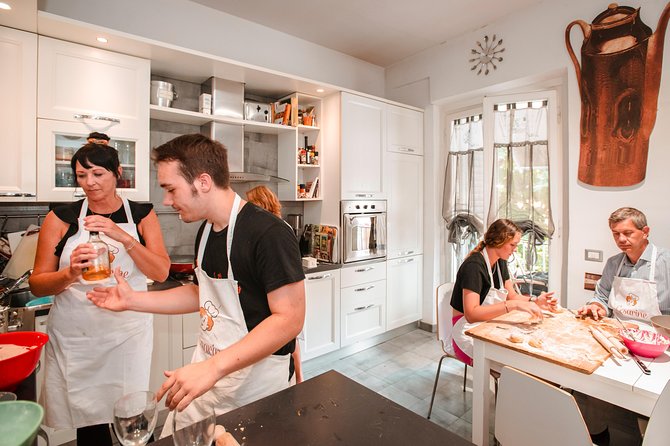
What happens when you arrive? You settle in, meet your hosts, and get oriented to the evening. Then the work begins: you’ll prepare five nibbles based on traditional local ingredients. Expect a mix of guided tasks and chances to get your hands involved.
Even if you consider yourself a kitchen beginner, this format helps. A home cook teaches what to do next, not a 20-step lecture.
Your menu: five Sicilian nibbles you can recreate at home
The core promise is simple: you’ll prepare an authentic selection of five nibbles using traditional local ingredients. The exact lineup can vary, but the types are described clearly enough that you can picture the flavors and the skill.
Bruschetta with fragrant olive oil
You might start with something like bruschetta drizzled with fragrant olive oil. This is more than bread and tomatoes. The lesson is in quality and restraint: good olive oil makes a huge difference, and the topping should not drown the base.
If you take one thing home from this part, let it be this: aperitivo snacking needs crisp simplicity, not heavy plating. When you recreate it at home, you’ll taste the structure immediately.



Market vegetables, grilled and practical
Another likely component is freshly grilled market vegetables. This is where you learn how Italians treat vegetables as part of the show, not a side project. You’ll get tips on seasoning and grilling style, so they stay flavorful without turning soggy.
Also, grilled vegetables are great because they scale. Make a few extra portions and you suddenly have a party snack that feels authentic without requiring fancy molds or complicated sauces.
Charcuterie and cheeses in Sicilian style
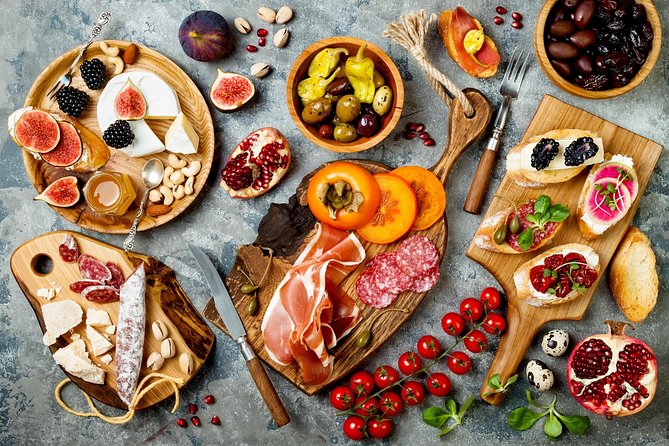
You may also build a selection of charcuterie and cheeses. In an aperitivo setting, this is the backbone: salty, fatty, satisfying. A good host keeps the portions balanced so it doesn’t turn into a random assortment.
This part is useful for you at home, too. You don’t need to become a sandwich engineer. You need to know how to assemble flavors that match well with wine and bubbly.
The surprises that make it memorable
From the experiences tied to this workshop, I’m especially interested in how individual menus can include things like sheep’s milk ricotta and dishes featuring artichokes. That’s not just food trivia. It’s the difference between memorizing a recipe and learning how Sicilian cooks think about ingredients.
If you’re someone who likes to discover new flavors, this is one of the best values here: you’ll try items you might never order on your own, then learn enough context to recreate the idea.
Cooking with your host: technique, pacing, and confidence
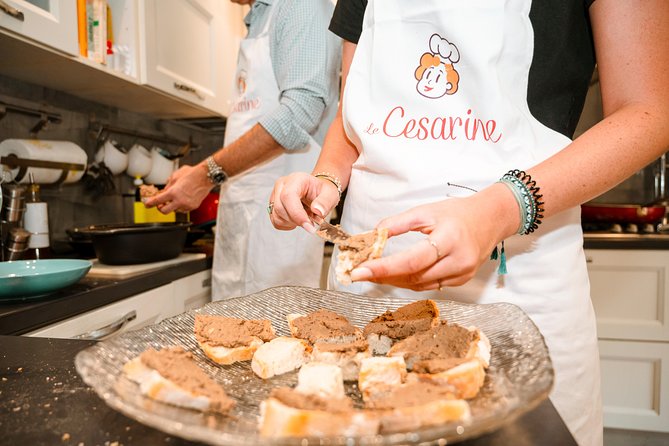
The hands-on part is the real reason to book. You’re not watching from across a counter. You’re learning how to make finger foods that work for an aperitivo table.
A few things you’ll likely notice as you cook:
- You’ll work in small steps that keep momentum.
- Your host adjusts based on your group’s pace.
- You get taught by doing, not by rushing you through a list.
In one account tied to this workshop, the participant was the only guest and had extra time helping with prep. That’s a nice scenario if it happens to you. But even without a one-on-one vibe, you’ll still get more active time than most food experiences in big group formats.
Also, the home setting matters. You’ll see how locals prep food for guests: practical tools, real pacing, and decisions based on taste, not presentation perfection.
Wine, bubbly, and the aperitivo table that brings it together

After the cooking, you sit down and enjoy what you made. This is where the workshop turns into an evening, not a lesson.
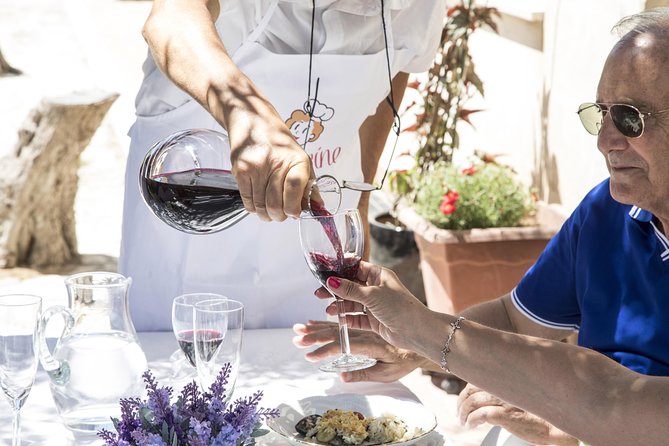
You’ll have a selection of red and white wines from Sicily cellars, and the hosts offer only wines of the territory. You’ll also be paired with bubbly in aperitivo style. That pairing is practical: bubbly helps reset your palate between bites, and wine brings a deeper flavor base for salty snacks.
What makes this part feel special is the pace. Aperitivo works best when you don’t rush to finish everything. The structure of five nibbles plus drinks gives you that natural flow—snack, sip, talk, repeat.
And you’ll swap stories around the table. That’s not filler. It’s part of why the Cesarine model works. Food is easier to remember when it comes with context: how people talk about what they cook, and why certain ingredients show up in the local rhythm.
Why this workshop is good value (and when it’s not)
At $122.17 per person for about two hours, this isn’t the cheapest thing you can do in Palermo. But it’s also not overpriced if you compare it to what you’re getting: cooking instruction, food you prepare, and drink included in the form of local wines plus bubbly.
Here’s the value math that usually makes sense:
- You’re paying for time with a home cook.
- You’re paying for five nibbles you help make.
- You’re paying for Sicily-specific drinks, not generic wine.
- You’re also paying for a social, local-home setting, which is hard to replicate on your own.
When it might not fit:
- If you only want to eat and don’t care about cooking.
- If you prefer large public experiences over quiet home settings.
- If you need very specific dietary or allergy accommodations, you may find the traditional focus limiting unless you confirm details with the host.
In most cases, though, this is a smart splurge. It’s a way to spend money where it buys a real skill, not just a meal.
Who should book this Palermo aperitivo class
This workshop is best for you if you:
- Want a hands-on food experience instead of a viewing-style tour
- Like learning small techniques you can use later
- Enjoy meeting locals and talking while eating
- Are pairing your Palermo visit with a food-first plan
- Want a calmer evening after busy sightseeing
It’s also a great choice if you’re traveling with a group that wants the same thing: shared food, shared drink, shared conversation. And because it’s private for your group, you won’t get mixed into a larger crowd.
If you’re a foodie who likes to cook later, you’ll likely feel the most satisfaction. If you’re a casual eater, you’ll still enjoy the snack parade, but you’ll get more out of it if you’re willing to get your hands involved.
A practical guide for making the most of your evening
To get the best results from this kind of home workshop, keep your expectations simple: you’re learning how to make a few core Sicilian aperitivo bites in a local style, then enjoying them as a group.
A few tips:
- Come hungry, but not rushed. Aperitivo works best when you slow down.
- Ask your host what makes the snack Sicilian—olive oil, vegetable choice, cheese types, and how they pair with wine.
- Take mental notes on the order of things. Aperitivo pacing is part of the recipe.
- If you want to recreate it at home later, focus on what the host emphasizes, not only the exact ingredients.
And if your group is small, you may get more hands-on prep time, like the more involved experience described in the personal accounts connected to this workshop. Even without that, the teaching style in a home setting is usually direct and forgiving.
Should you book the Italian aperitivo class in Palermo?
Book it if you want an authentic Palermo evening that teaches you something you can use. This is one of those experiences where the value comes from the combination: home cook guidance + five Sicilian nibbles + local wine and bubbly + conversation. It’s a smart way to understand aperitivo as a culture, not just a drink.
Skip it if you dislike cooking activities, hate being in private homes, or expect a big production. Also, if allergies or strict dietary needs are involved, confirm details first, since the snacks are built around traditional local ingredients.
FAQ
FAQ
How long is the aperitivo workshop?
It lasts about 2 hours.
Where does the experience take place?
It starts in Palermo, and it ends back at the meeting point.
Is this a private experience?
Yes. It’s private, and only your group participates.
What will we prepare during the workshop?
You’ll prepare an authentic selection of five nibbles using traditional local Sicilian ingredients.
Are drinks included?
Yes. You’ll enjoy what you prepare paired with wine and bubbly, with a selection of red and white wines from Sicily cellars.
Can I cancel for a full refund?
Yes. Free cancellation is available up to 24 hours before the experience’s start time for a full refund.
More Tour Reviews in Palermo
More Palermo Sailing and Sunset Cruises



After something else? More tours and day trips around Palermo and western Sicily









Palermo Sunset Sailing & Aperitif Cruises, compared.
 ★ 4.9Street Food Walking Tour at SunsetFrom $52492 reviews
 ★ 4.9Mondello,CapoGallo Reserve Boat Tour with Snacks and DrinksFrom $79439 reviews
 ★ 5.0Palermo Half Day Boat Tour with Palermo ExperiencesFrom $163224 reviews
 ★ 5.0Full-Day Snorkeling Boat Tour with Lunch and WineFrom $124196 reviews
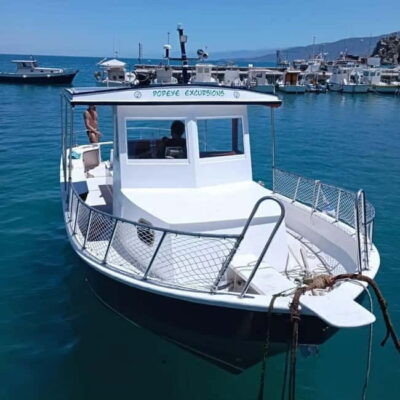 ★ 4.8Coastal Sightseeing Cruise with Snorkeling and AperitifFrom $51160 reviews
 ★ 5.0The Most Beautiful Sea Spots – Adventure Mode147 reviews
 ★ 4.7Vela Boheme ~ Vintage Sicilian Boat TourFrom $113103 reviews
 ★ 4.9Boat Tour to Mondello – Isola delle Femmine + drinkFrom $73102 reviews
Browse the lists this tour appears in