
Reviewed · PALERMO HISTORIC CENTER WALKING TOURS
Palermo: NO Mafia Walking Tour
Palermo tells the Mafia story with real street context. This walk through the historic center explains Cosa Nostra’s role in daily life, then shifts to the civil anti-Mafia movement that challenges it from the ground up. I especially like that it mixes major landmarks with the local “how it works” details, like the Teatro Massimo area and the Piazza Della Memoria memorial. The one drawback is the topic is heavy, so this is not a light sightseeing tour.
You’re also getting strong value for $40 over three hours: a guide leads the pacing, you stay outdoors, and part of your ticket supports Addiopizzo. The tour runs with live guides in Spanish, French, English, and Italian, and you may even hear from passionate locals such as Linda, Valeria, Salvatore, Giuseppe, Marinella, or Attilio, depending on your date. Just come ready for a walking-focused experience where the best “set pieces” are stories and street corners, not museum rooms.
In This Review
- Key highlights you’ll actually feel on the streets
- Why this no-Mafia tour is different from the usual Palermo “Mafia” story
- The 3-hour rhythm: what the walk covers from start to finish
- Teatro Massimo and the first “Palermo clues” you’ll notice
- Il Capo and daily life: markets, not movie sets
- Piazza Della Memoria: where the anti-Mafia story becomes personal
- Along the Cassaro: pago chi non paga and the orange-sticker message
- Piazza Beati Paoli, Palermo Cathedral, and city hall: institutions under pressure
- The tour’s finish: old-town center wrap-up and food suggestions
- Guides and Q&A: why the storytelling quality matters here
- Price and value: is $40 worth it?
- Who this tour suits best (and who should reconsider)
- Should you book the Palermo NO Mafia Walking Tour?
- FAQ
- How long is the Palermo NO Mafia Walking Tour?
- What does it cost?
- Where is the meeting point?
- What languages are available for the guide?
- Is anything besides the guide and tour included?
- What should I bring?
Key highlights you’ll actually feel on the streets
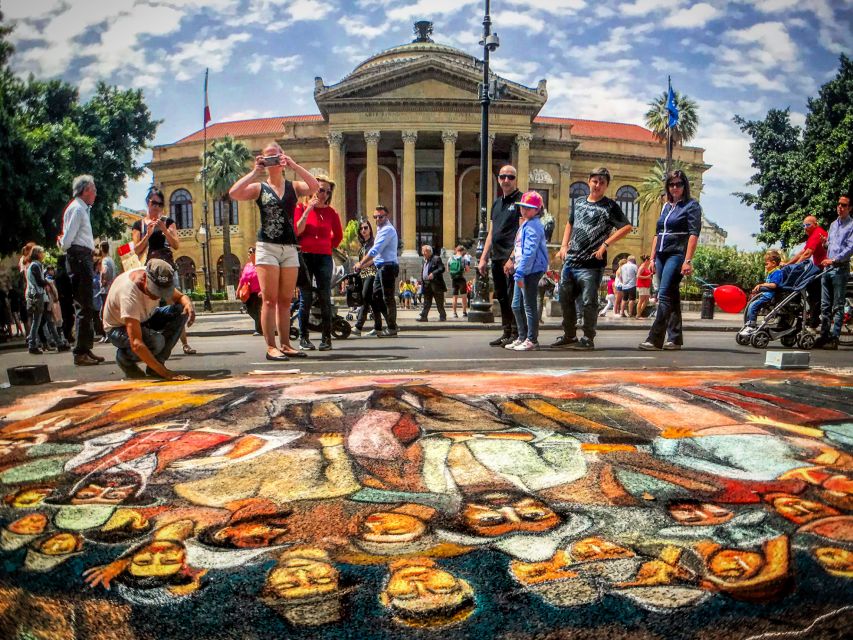
- Teatro Massimo and the old-city core: big Palermo identity mixed into the narrative, not just a photo stop.
- Piazza Della Memoria: you see a specific memorial tied to prosecutors and judges killed by the Mafia.
- Il Capo open-air market zone: everyday life, not gangster movie scenes.
- Cassaro orange stickers and pago chi non paga: the tour points out how “saying no” becomes visible on storefronts.
- Cathedral, city hall, and street names: you connect power, institutions, and intimidation to real public spaces.
Why this no-Mafia tour is different from the usual Palermo “Mafia” story
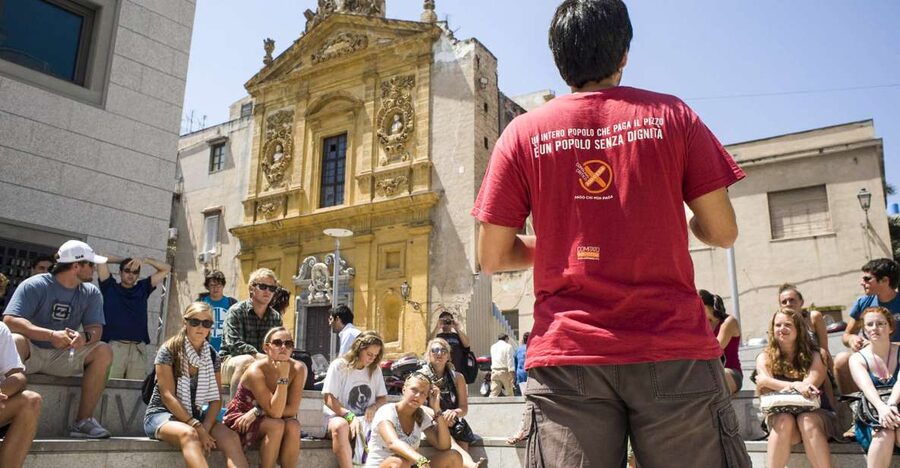
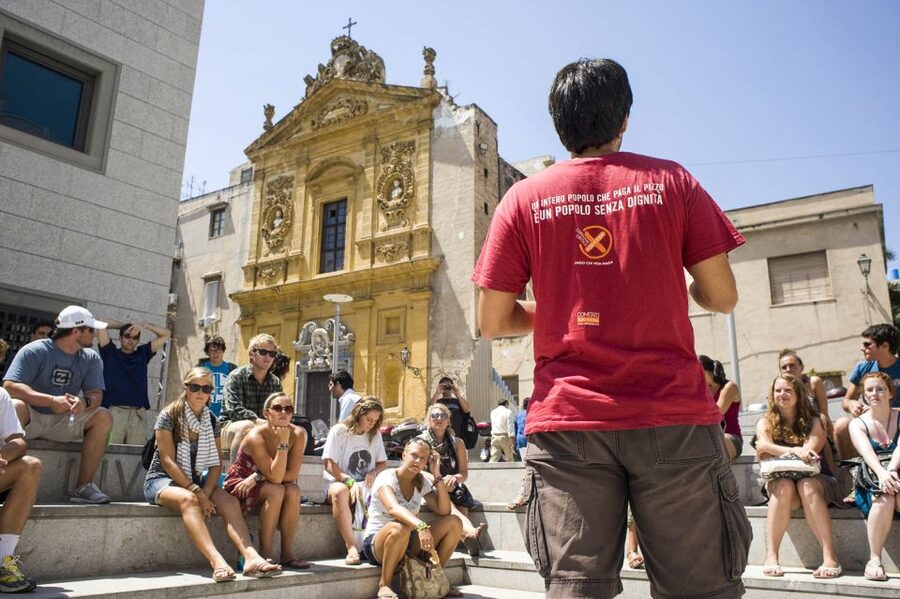
In popular media, the Mafia often looks stylish, cinematic, and almost myth-like. This tour works in the opposite direction. It frames the Mafia as something built into society—through fear, pressure, and the everyday choices businesses and families had to make. Then it puts the focus back where it belongs: on people who organized, refused, and kept pushing despite the risks.
What I like most is how it avoids simple myths. You’re not just handed a timeline of criminals. You get the social mechanics—how control can spread through neighborhoods, politics, and local economies—so you can understand why the anti-Mafia response had to be civic, not just heroic.
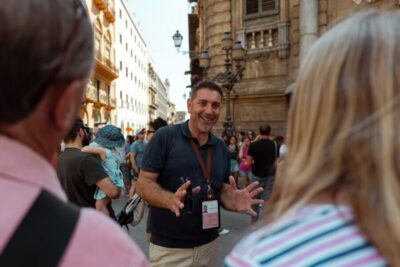
More of the old centre on foot, from the Quattro Canti to the markets.

The 3-hour rhythm: what the walk covers from start to finish
You’ll meet your guide at a meeting point that can vary based on the option booked, then head straight into Palermo’s historic center. The route is built for walking, with landmark-to-landmark transitions that keep the story moving. You’ll also be hearing a lot, so it helps to wear comfortable shoes and plan for outdoor time under changing weather.
The tour is designed as a real narrative walk. It starts with recognizable Palermo sights, then uses those places to explain how Mafia power operated locally. As you move along, the story turns toward resistance—especially the idea that change had to be sustained by citizens, not only by institutions.
Teatro Massimo and the first “Palermo clues” you’ll notice
Teatro Massimo shows up early for a reason. It’s one of Palermo’s grand cultural symbols, and using it at the start helps you set a key idea: Palermo isn’t just a backdrop for crime stories. It’s a city with identity, ambition, and public life—right alongside the intimidation and corruption the tour discusses.
This is also where you get your bearings fast. The guide’s job early on is to map the historic center in your head, so later stops land with context. Based on the guides who’ve led the tour—people like Linda, Valeria, and Giuseppe—the early explanation tends to feel like building a framework, not listing facts.
Practical note: the tour is mainly outdoors and interpretive. If you’re expecting interior museum time or ticketed sites, this won’t match that. It’s about street understanding.
Il Capo and daily life: markets, not movie sets
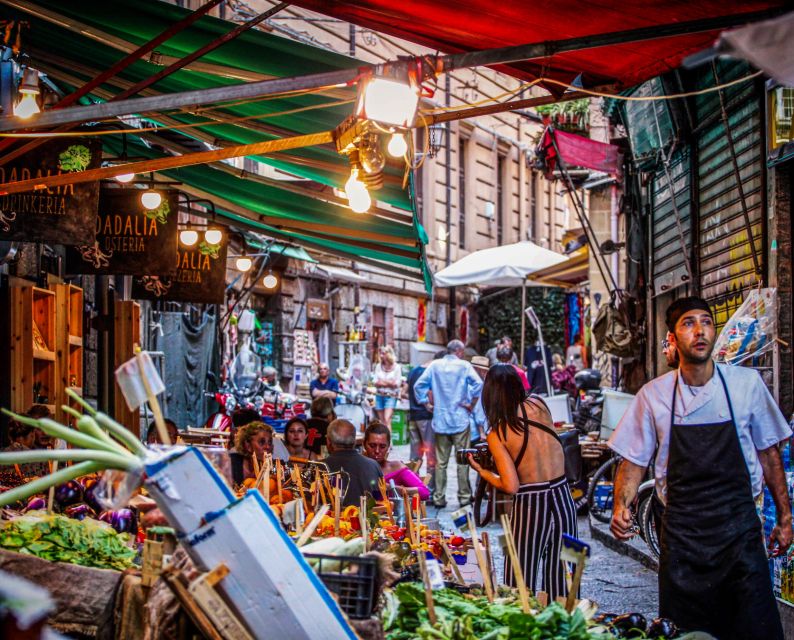
Il Capo (the open-air market area) brings the story back to the ground. Instead of focusing on dramatic “gangster locations,” the tour connects power to normal routines—how commerce works, where pressure can show up, and how people navigate fear in everyday places.
This part is useful if you want the Mafia story to make sense in social reality. Markets are busy, public, and economic. That makes them perfect for explaining why extortion and intimidation aren’t abstract. They affect prices, choices, and who dares to operate freely.
If you like tours where the guide keeps the pacing lively, you’ll probably appreciate how many guests describe the experience as engaging from start to finish. Some guides also build in moments to pause and sit when the group needs it, including shade breaks.
Piazza Della Memoria: where the anti-Mafia story becomes personal
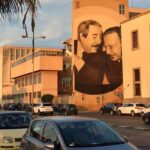
Piazza Della Memoria is one of the most direct “you can’t ignore this” stops on the route. The square is dedicated to prosecutors and judges killed by the Mafia. That turns the tour from general explanation into a more human, concrete reminder of what resistance can cost.
It’s also a checkpoint for you as the listener. Until this point, you’ve been learning how the system works. At this stop, you feel the stakes. The guide’s tone here matters, and the best versions of the tour (led by people such as Marinella or Attilio, depending on your date) emphasize that anti-Mafia efforts are not just ideology—they’re sacrifice, work, and ongoing pressure.
The Corleone road and the anti-mafia story behind the films.
Along the Cassaro: pago chi non paga and the orange-sticker message
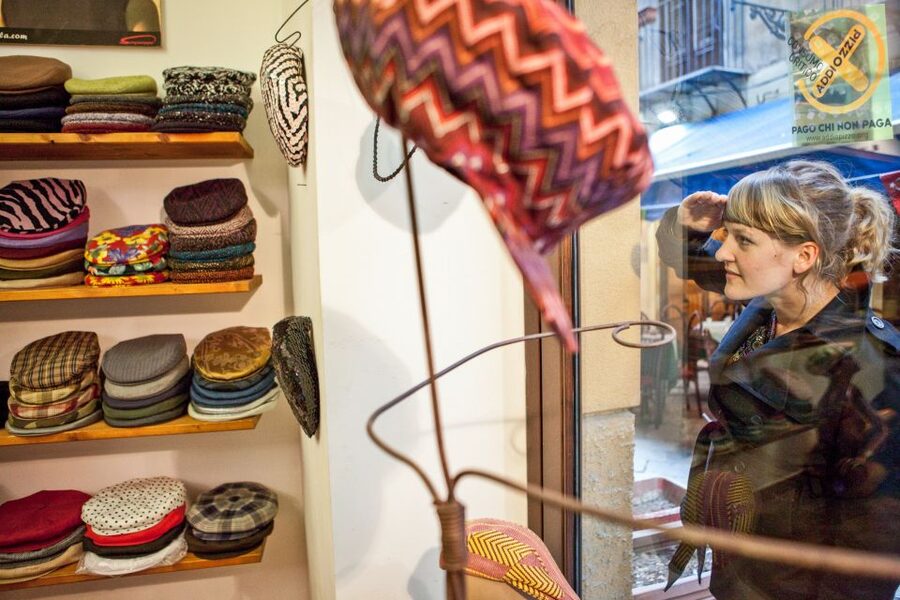
As you stroll along the Cassaro, you’ll notice a detail that turns the tour into something you can’t fake with imagination: orange stickers on shop windows. These markings represent owners who have said no to paying extortion and joined an ethical consumer effort called pago chi non paga (I pay who does not pay).
This is one of the tour’s smartest techniques. It teaches you to read the city. Instead of seeing Palermo only through architecture, you start seeing civic signals—how ordinary people communicate resistance in public.
If you care about modern relevance, this stop is a highlight. It shows anti-Mafia action as something that continues now, not only as a museum topic. And it also helps explain why the guide spends time connecting past and present, including the idea that grassroots pressure can reduce the grip over time.
Piazza Beati Paoli, Palermo Cathedral, and city hall: institutions under pressure
After the more emotionally direct memorial stop, the tour expands into “how a city organizes itself.” Piazza Beati Paoli, Palermo Cathedral, and the city hall area are placed so you can connect public power with what’s been happening behind the scenes.
Here’s what makes this portion valuable for you: you’ll start thinking about how intimidation can target institutions indirectly. Even when violence is not happening in front of tourists, pressure can still shape who participates, which decisions get made, and what gets ignored.
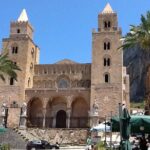
The cathedral stop gives you a recognizable landmark with deep local meaning, and the city hall connection reinforces the theme of civic responsibility. In other words, the walk doesn’t only talk about the Mafia as criminals. It treats the Mafia as an influence that tries to shape governance, community life, and public trust.
What to watch for: take notes or at least keep track of the names and themes your guide repeats. Many guests describe the tour as packed with information, and it helps to track the thread so you can remember it later.
The tour’s finish: old-town center wrap-up and food suggestions
The tour ends in the heart of Palermo’s old town center. At this point, you’re not just leaving with knowledge—you’re leaving with a plan.
Guides typically share tips for continuing your visit, including where to taste Sicilian specialties. That matters because Palermo rewards good timing and local choices. After a narrative-heavy three hours, having food suggestions helps you turn information into a real, enjoyable day.
If you’re traveling with a mix of interests—history lovers plus people who still want fun—this finish can help balance the mood. You’ll feel educated, but you can still land on something practical and pleasurable: a meal.
Guides and Q&A: why the storytelling quality matters here
This tour lives or dies by the guide. The high ratings you’ll see are mostly about delivery: guides speaking clearly, staying engaging for the full three hours, and handling questions with real depth.
A few specific examples from the guides’ reputations (so you know what you’re signing up for): some like Linda and Valeria are repeatedly described as passionate and very informed, with explanations that go beyond stereotypes. Others, such as Salvatore or Giuseppe, are highlighted for turning the topic into something understandable—linking Mafia origins, social influence, and anti-Mafia resistance into a single story.
Also, if you’re worried about English quality, you can feel more confident because the tour explicitly runs with live guides in English (and other languages). Many people highlight how easy it is to follow.
Price and value: is $40 worth it?
For $40 per person, you’re paying for three things: expert guidance, a focused walking route, and a charitable contribution to Addiopizzo. You’re not paying for museum tickets or entrances, so the value is mostly in the narrative and the way the guide uses the streets.
Here’s how I think about it for your budget: if you’re in Palermo for a short time, a three-hour experience that helps you read the city correctly can save you from “tourist confusion later.” It also makes other stops more meaningful, because you’ll understand why certain institutions and neighborhoods got shaped the way they did.
If you’re the type who enjoys guided history that takes on modern reality, this price usually feels fair. If you only want light entertainment or you hate heavy topics, you may find it challenging.
Who this tour suits best (and who should reconsider)
This tour is a great fit if you want to understand Palermo as a living city, not just architecture and photos. It’s especially good for people who are tired of glamorized Mafia myths and want the human cost plus the civic fight against extortion.
It also works well for history-minded travelers with curiosity about modern social change. Many guides bring the story forward from past decades to the present anti-Mafia movement, including how citizens organized and why resistance is hard work.
If you’re looking for a carefree afternoon, though, keep expectations aligned. This walk discusses violence, intimidation, and the harm caused by the Mafia. You’ll hear about brave individuals and movements that pushed back, but it’s still serious.
Should you book the Palermo NO Mafia Walking Tour?
Book it if you want the real Palermo context: Mafia influence explained in social terms and the anti-Mafia response shown through recognizable places like Teatro Massimo, Il Capo, Piazza Della Memoria, and the Cassaro streets. The fact that your ticket includes support for Addiopizzo adds a practical, tangible reason to take it seriously.
Skip it if you’re only interested in “gangster tourism” aesthetics or you don’t want your sightseeing wrapped around heavy topics. In that case, you might prefer a lighter landmark tour.
If you do book, go early in your trip if you can. Getting the city’s meaning first makes everything else afterward more readable.
FAQ
How long is the Palermo NO Mafia Walking Tour?
The tour lasts about 3 hours.
What does it cost?
It’s $40 per person.
Where is the meeting point?
The meeting point may vary depending on the option booked.
What languages are available for the guide?
The tour is available with a live guide in Spanish, French, English, and Italian.
Is anything besides the guide and tour included?
The booking includes the guide, the walking tour, and a contribution to the Addiopizzo charitable organization.
What should I bring?
Wear comfortable shoes since it’s a walking tour.
More Tour Reviews in Palermo

More Godfather and Corleone Days
More Palermo Old Town Walks
After something else? More tours and day trips around Palermo and western Sicily





Palermo Historic Center Walking Tours, compared.
 ★ 5.0Palermo Original Street Food Walking Tour by StreatyFrom $832,105 reviews
 ★ 4.9Street Food and History Walking TourFrom $541,294 reviews
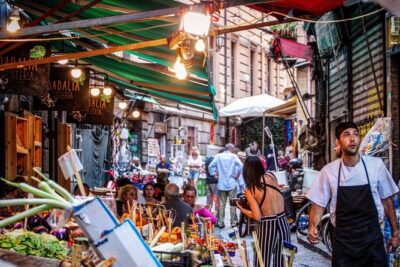 ★ 5.0Palermo No Mafia walking tour: discover the Anti-mafia culture in SicilyFrom $391,011 reviews
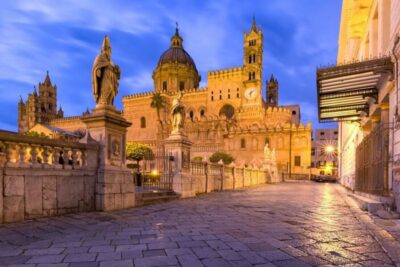 ★ 4.7Private Custom Walking Tour with Local GuideFrom $53661 reviews
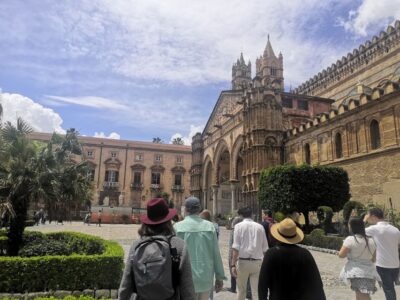 ★ 4.9Street Food Walking Tour with Local Guide & TastingFrom $52632 reviews
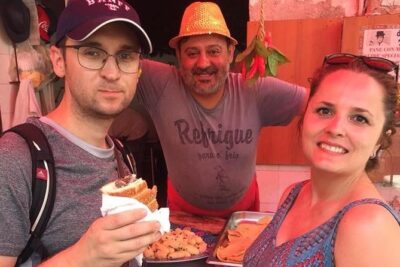 ★ 5.0Palermo Walking Tour and Street FoodFrom $48617 reviews
 ★ 4.8UNESCO World Heritage Sites Guided Walking TourFrom $41548 reviews
 ★ 4.9Street Food Walking Tour at SunsetFrom $52492 reviews
Browse the lists this tour appears in