
Reviewed · PALERMO HISTORIC CENTER WALKING TOURS
Palermo No Mafia walking tour: discover the Anti-mafia culture in Sicily
Palermo teaches you how resistance beats fear. This is a 3-hour, English walking tour that turns big-city sights into a clear anti-mafia story, with stops like Teatro Massimo and the Wall of Legality, and guides such as Sylvia, Ermes, Frederico, and Salvador who bring real passion to the subject. You finish in the old center near Fontana Pretoria, ready to keep exploring.
I love how the tour makes the theme human, not movie-made. You see memorials for victims and judges, you get the faces behind the violence, and you hear how the city pushed back through everyday choices. I also like the practical angle: the Cassaro includes a shop tied to Addiopizzo’s campaign, where owners publicly refused to pay pizzo.
One drawback to plan for: the pace is more “stop-and-listen” than “walk fast.” Expect some standing at each landmark while the guide explains the connection, and if you hate slow starts or repetition, you may feel you are not moving as much as a classic sightseeing walk would.
In This Review
- Key highlights at a glance
- How Palermo’s No Mafia story “fits” into a walking route
- Teatro Massimo: The Godfather scene, then real civic recovery
- The Wall of Legality: Italy’s longest mural and the faces behind it
- The open-air market stop: shopkeepers, fear, and everyday resistance
- Palazzo di Giustizia and Piazza della Memoria: the people targeted by the Mafia
- Cattedrale di Palermo: Church power, Church problems, and what changed
- Cassaro gelato stop: Addiopizzo, pizzo refusal, and critical consumption
- Palazzo Pretorio and City Hall: corruption, resistance, and the public square
- Price, duration, and value: what $39.30 buys you
- Pace and practical tips so you enjoy it more
- Who this No Mafia tour is best for
- Should you book the Palermo No Mafia walking tour?
- FAQ
- How long is the Palermo No Mafia walking tour?
- What is the price per person?
- Is the tour offered in English?
- How large is the group?
- What is included in the tour price?
- What is not included?
- Where do I meet the guide, and where does the tour end?
- Do I need to buy tickets for the stops?
- Can I cancel and get a full refund?
Key highlights at a glance
- Teatro Massimo as a symbol of rebirth: famous from The Godfather III, but framed here as recovery after decades of Mafia violence.
- 70-meter Wall of Legality: Italy’s longest wall painting, showing known mafia victims for a face-to-face understanding.
- Piazza della Memoria by the Court House: a memorial for judges and prosecutors killed by the Mafia.
- Cattedrale di Palermo (Arab-Norman Cathedral): discussion on the relationship between the Catholic Church and the Mafia.
- Cassaro and Addiopizzo critical consumption: a gelato stop where you can support local anti-mafia refusals.
- Small group, max 15: easier questions and a more personal pace than big bus tours.
How Palermo’s No Mafia story “fits” into a walking route
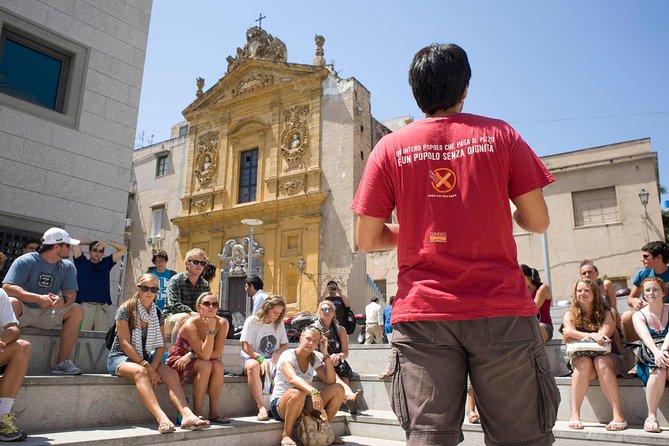
This tour is built like a guided map of Palermo’s anti-mafia culture, not just a sightseeing checklist. In about three hours, you move through the old center and key civic landmarks, so the message feels grounded in place—streets, courthouses, churches, and everyday businesses.
The small group size (up to 15) matters here. You are not shouting over crowds, and your guide can answer the questions that come up when people learn how organized crime worked in daily life. That also helps if you are traveling with a kid or two, since some parents find the pacing manageable when the guide is focused and interactive.
The English offering is another plus. If you are not fluent in Italian, you still get the full thread: how the city reacted, how it organized resistance, and why this matters beyond the headlines.
More of the old centre on foot, from the Quattro Canti to the markets.

Teatro Massimo: The Godfather scene, then real civic recovery
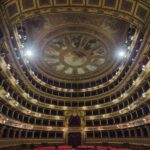
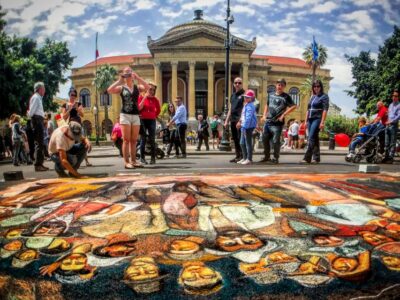
You start near P.za Giuseppe Verdi and head to Teatro Massimo. Yes, it is tied to a dramatic moment in The Godfather III, so you may recognize it fast. But this stop is not about movie trivia—it is used as a symbol of Palermo’s rebirth after years of Mafia violence.
This is a good first stop because it sets the tone without being too heavy immediately. You learn how the city sees itself after trauma: the theatre as a public landmark that points to rebuilding, culture, and civic identity.
Plan for the typical walking-tour tradeoff: you will pause, listen, and take photos when the guide tells you where the details are. It is usually worth it, especially at a site like this where the story is layered.
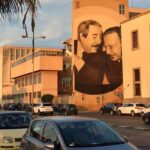
The Wall of Legality: Italy’s longest mural and the faces behind it
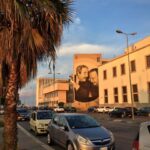
Next comes one of the most unforgettable stops: the Wall of Legality. It is the longest wall painting in Italy at about 70 meters, and it centers on known mafia victims.
I like this stop because it changes how you think about the topic. Instead of the Mafia as an abstract force or a TV villain, you get a human scale—people with faces, remembered through public art. It also gives you something concrete to photograph, which helps break up the heavier moments with visuals you can actually take home.
If you are short on time, do not rush this one. Give yourself a few minutes to look carefully, even if the guide keeps moving. This is the kind of moment that quietly sticks after the walk is over.
The open-air market stop: shopkeepers, fear, and everyday resistance
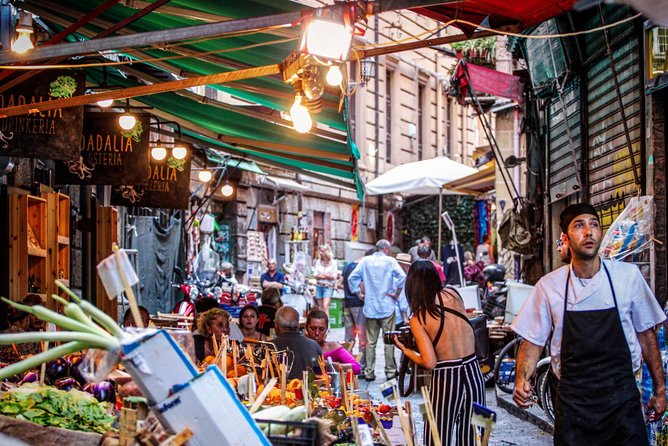
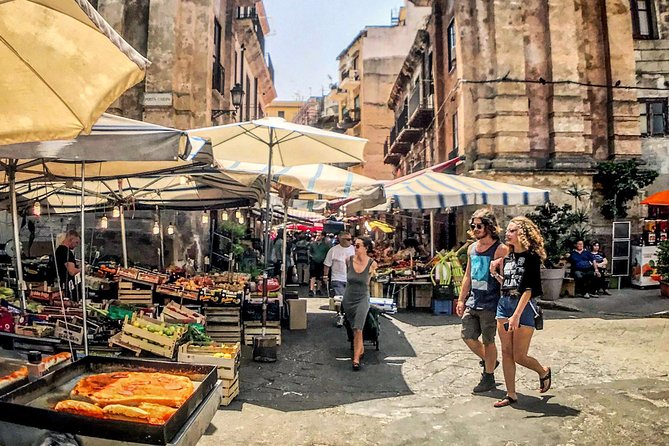
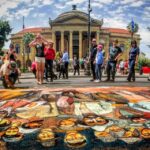
The tour then shifts to the area of the colorful old open-air market. This is where the anti-mafia theme gets practical.
You learn about the relationship between the Mafia and shopkeepers while you walk through one of the loudest, most lively zones of the city. The contrast is striking: everyday commerce happening in a place that also had pressure, extortion, and intimidation behind the scenes.
This is also one of the spots where your senses get involved. Expect noise, crowds, and a real sense of what Palermo life feels like. If you want a calmer experience, you might find this part intense, but it also makes the story feel real instead of theoretical.
Palazzo di Giustizia and Piazza della Memoria: the people targeted by the Mafia
After the market, you reach the Palazzo di Giustizia area and the memorial known as Piazza della Memoria by the courthouse. Here, the focus is on judges and prosecutors killed by the Mafia.
This stop matters because it explains that the conflict was never only about street-level crime. It was also about the justice system—people trying to hold the line, and the risks that came with doing the job.
You will typically spend around 15 minutes here, enough time to get the context and absorb what the memorial represents. If you prefer short stops, this one may feel emotional, but it is central to understanding how anti-mafia efforts take political and legal forms, not just cultural ones.
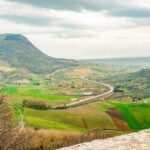
The Corleone road and the anti-mafia story behind the films.
Cattedrale di Palermo: Church power, Church problems, and what changed
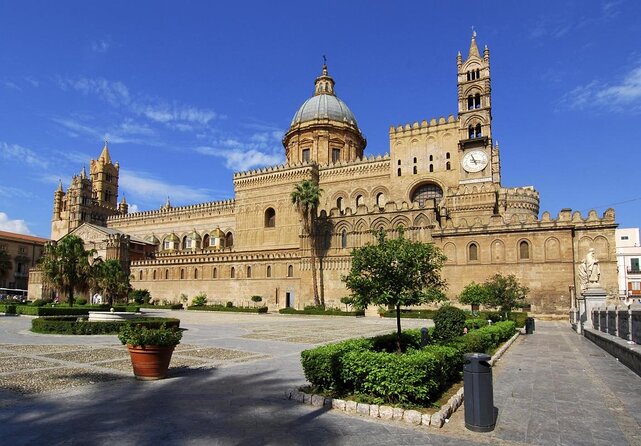
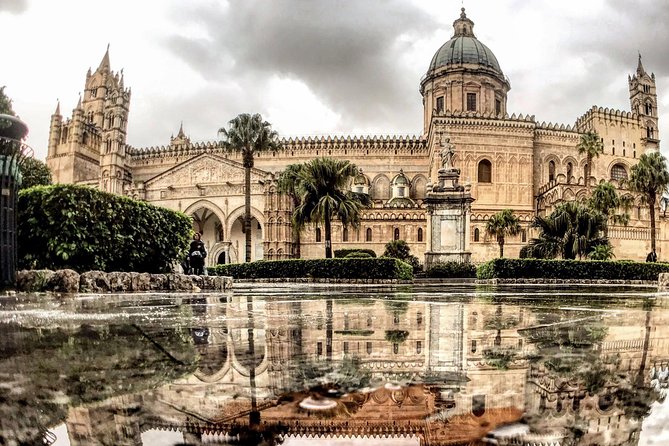
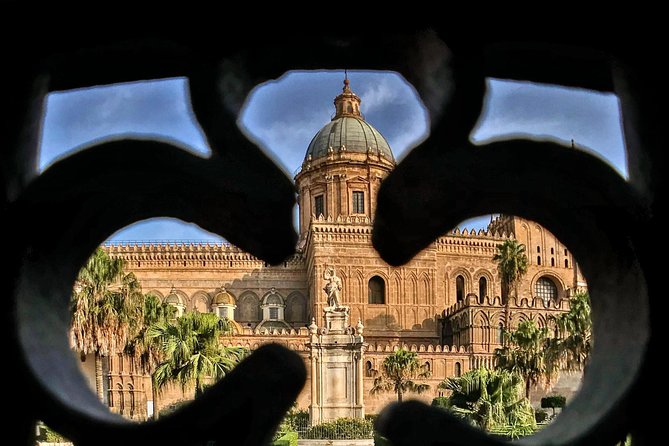
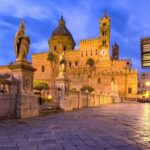
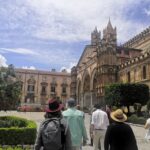
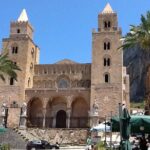
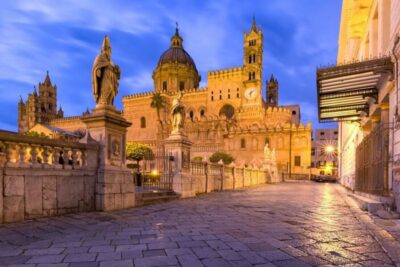
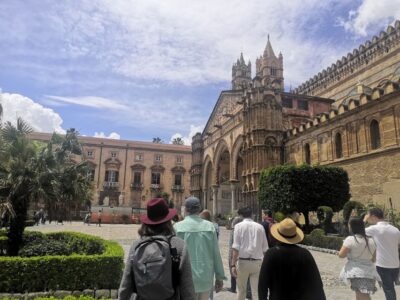
Then you head to Cattedrale di Palermo, the Arab-Norman cathedral. Outside or in front of the church, the guide explains the relationship between the Catholic Church and the Mafia.
This is a smart inclusion for anyone who thinks the Mafia story is only about gangsters. In Palermo, the power dynamics ran through institutions, and the Church played a role in both normal life and, at times, conflict. Understanding that relationship helps make the anti-mafia movement easier to grasp, since resistance also involved moral authority and community leadership.
If you are the kind of traveler who likes architecture, you might want extra time around the cathedral after the tour ends. The walking tour framing will give you the essential story, but it will not replace a full architecture-focused visit.
Cassaro gelato stop: Addiopizzo, pizzo refusal, and critical consumption
Walking along the Cassaro, you reach the Cappadonia Gelati stop. What makes it special is the visible anti-extortion signal: an orange sticker on the window linked to refusing the pizzo extortion racket.
This is where the tour becomes more than information. You learn that some owners, like the gelato shop and other anti-mafia participants, joined Addiopizzo’s grassroots movement of critical consumption. In plain terms: you buy like you mean it, and you refuse to fund intimidation.
The practical value here is easy to miss if you only care about photos. This is a real-world example of how civic resistance shows up in commerce. You have a chance to pause, support the business, and take the story into your own travel spending.
Palazzo Pretorio and City Hall: corruption, resistance, and the public square
Near the end, you visit Palazzo Pretorio and the Municipio di Palermo (City Hall area). This stop connects the Mafia problem to politicians and governance—both the corrupted side of power and the ones who fought back.
It also helps explain why anti-mafia culture has to be political and institutional, not only personal. When extortion and violence can reach into leadership, resistance has to reach there too.
The tour ends around Fontana Pretoria in the old town area. That location is a good wrap because it drops you into the lively central streets—so you can keep walking, snack, and ask for more recommendations.
Price, duration, and value: what $39.30 buys you
At about $39.30 per person for roughly 3 hours, this tour prices like a serious, guided experience rather than a quick loop. What you get is not only an English-speaking local guide and a small group (max 15), but also a solidarity contribution: a small contribution tied to Addiopizzo.
Also, many of the stops are listed as free entry. So your money mainly goes toward interpretation and access to the story, not ticket fees. That is a good deal if you like guided context—especially for a topic like this where the details matter.
If you hate heavy themes, this may not be your cup of tea. But if you want something more grounded than Mafia movie myths, you will likely feel the value quickly.
Pace and practical tips so you enjoy it more
A walking tour like this works best when you show up ready to stand a bit. Wear comfortable shoes, since you are on your feet for several segments across the historic center.
Bring a layer. The tour suggests an umbrella and a dry jacket for rainy weather. Palermo weather can shift, and you do not want your trip to turn into a cold, soaked listening session.
You also get a mobile ticket, which makes it easier to manage on the move. The tour is near public transportation, so you can slot it into your day without complicated planning.
Who this No Mafia tour is best for
I think this tour is a strong fit for travelers who want more than surface-level sightseeing. If you like learning how a city organizes resistance—through law, community movements, and ordinary refusal—you will enjoy how the stops connect.
It also works well if you are the type who likes “why does this place matter” answers. The tour explains why sites like a theatre or a cathedral connect to Palermo’s anti-mafia story.
If you want a purely artistic or architectural walk, you might feel the emphasis is more on civic and social meaning than on art commentary. You can still enjoy it, but you should add separate time for classic sightseeing afterward.
Should you book the Palermo No Mafia walking tour?
Book it if you want a focused, human-scale understanding of anti-mafia Palermo. The route hits key civic landmarks, explains the role of institutions, and includes a real-world pizzo refusal example through the Addiopizzo campaign.
Think twice if you dislike standing around for explanations, or if you need a lighter mood while walking. The subject is serious, and the tour’s power comes from taking that seriousness seriously.
Overall, at this price point, with a small group and a guide-driven story, it is a smart way to start—or deepen—your Palermo trip.
FAQ
How long is the Palermo No Mafia walking tour?
It lasts about 3 hours.
What is the price per person?
The price is $39.30 per person.
Is the tour offered in English?
Yes, it is offered in English.
How large is the group?
The tour has a maximum of 15 travelers.
What is included in the tour price?
It includes a local guide and a small solidarity contribution tied to Addiopizzo local NGO.
What is not included?
Hotel pickup and drop-off and lunch are not included.
Where do I meet the guide, and where does the tour end?
The tour starts at P.za Giuseppe Verdi, 455, 90133 Palermo PA, Italy, and ends at Fontana Pretoria, Piazza Pretoria, 90133 Palermo PA, Italy.
Do I need to buy tickets for the stops?
The stops listed are marked as free entry (admission ticket free).
Can I cancel and get a full refund?
Yes. You can cancel up to 24 hours in advance for a full refund. If you cancel less than 24 hours before the start time, the amount paid is not refunded.
More Tour Reviews in Palermo
More Godfather and Corleone Days
More Palermo Old Town Walks
After something else? More tours and day trips around Palermo and western Sicily




Palermo Historic Center Walking Tours, compared.
 ★ 4.8NO Mafia Walking TourFrom $402,431 reviews
 ★ 5.0Palermo Original Street Food Walking Tour by StreatyFrom $832,105 reviews
 ★ 4.9Street Food and History Walking TourFrom $541,294 reviews
 ★ 4.7Private Custom Walking Tour with Local GuideFrom $53661 reviews
 ★ 4.9Street Food Walking Tour with Local Guide & TastingFrom $52632 reviews
 ★ 5.0Palermo Walking Tour and Street FoodFrom $48617 reviews
 ★ 4.8UNESCO World Heritage Sites Guided Walking TourFrom $41548 reviews
 ★ 4.9Street Food Walking Tour at SunsetFrom $52492 reviews
Browse the lists this tour appears in