
Reviewed · PALERMO CATHEDRAL, CATACOMBS & NORMAN PALACES
Palermo: Teatro Massimo Opera House Guided Tour
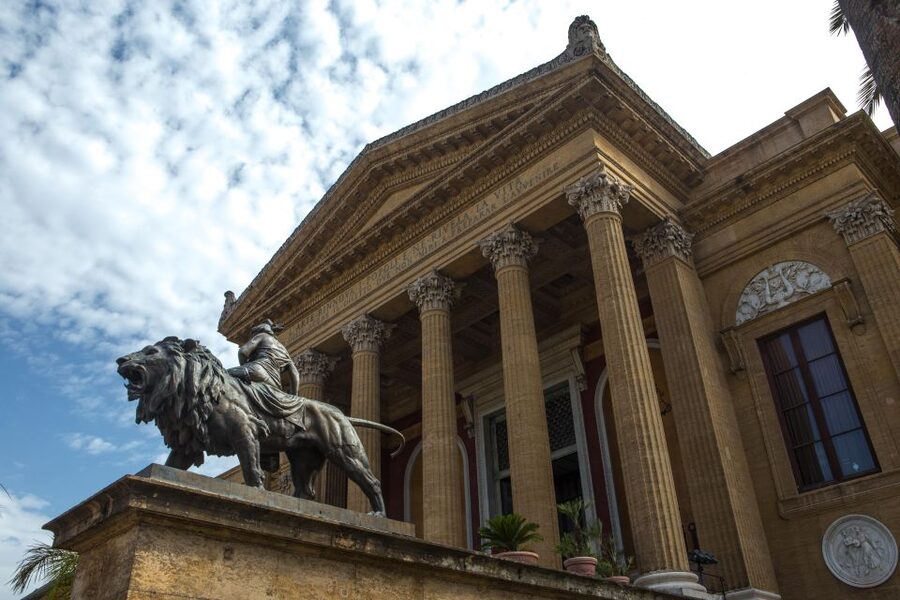
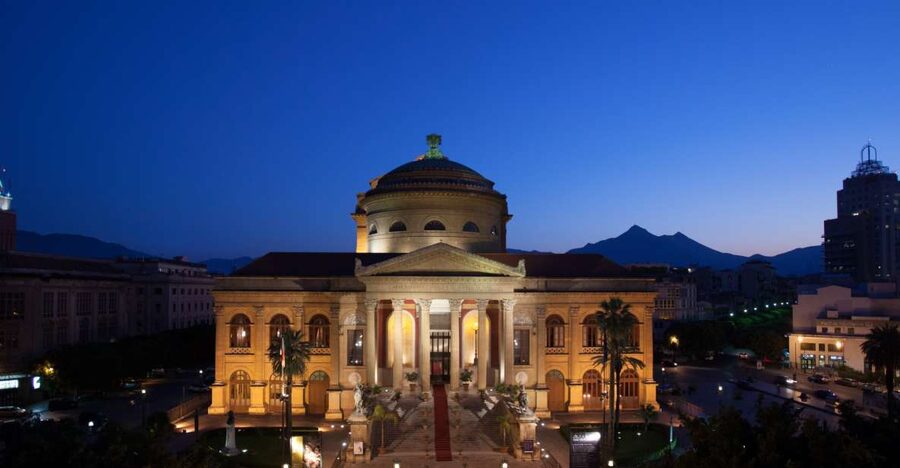
Teatro Massimo is pure theater even before the curtain. This guided tour takes you through one of Palermo’s most iconic opera houses, showing you the public rooms that make the building feel so grand. You’ll move room to room with a live guide, learning what you’re seeing and what it’s for—so the ornate details connect to real stage life.
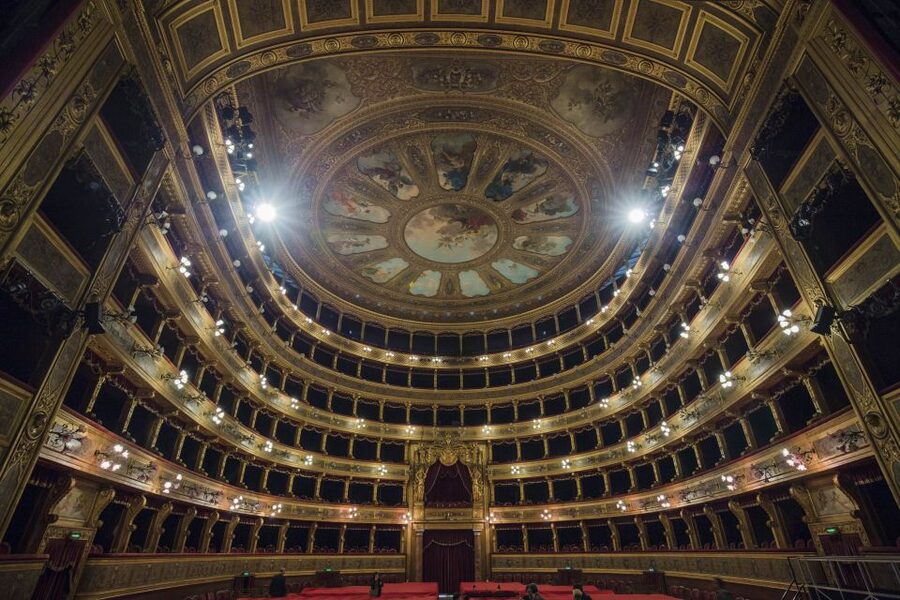
I love two things most. First, the foyer is stunning in a very tangible way: sculptures, bronze-decorated candelabra, and that opulent, slow-you-down atmosphere. Second, the tour focuses on the auditorium experience—golden stuccoes, velvet-and-glass details, and key stage-adjacent viewpoints like the royal box.
One consideration: the tour is short and mostly concentrates on areas you can see as a visitor. Depending on rehearsal, lighting, or maintenance, you may spend less time on the stage than you hoped, and parts of the building can be limited.
In This Review
- Key highlights worth your time
- Teatro Massimo at a glance: what you’ll see inside
- The meeting point and first impressions at the ticket office
- Foyer stop: sculptures and bronze candelabra you’ll want to linger on
- Auditorium time: golden stuccoes, velvet-and-glass, and real acoustics talk
- Royal box and symbolic rooms: where power meets design
- Stage viewing: what’s included, and why access can change
- Top-floor views: the payoff beyond the theater rooms
- Guides, languages, and what that means for your experience
- Price and timing: is $14 good value?
- Who should book this tour (and who might skip it)
- Practical tips to make your visit smoother
- Should you book Teatro Massimo guided tour?
- FAQ
- Is this tour only for people attending an opera performance?
- How long is the Teatro Massimo guided tour?
- Where do I meet for the tour?
- What’s included in the price?
- What is not included?
- What languages are available?
- What are the tour hours?
- Can I cancel for a full refund?
- Do I need to pay immediately?
- Will I be able to visit the stage?
Key highlights worth your time
- A focused route (about 40 minutes) through the main areas instead of a long, wandering visit
- Foyer artistry: sculptures and bronze-decorated candelabra that set the mood instantly
- Auditorium impact: golden stuccoes, wood details, and rich velvet-and-glass decoration
- Royal box + special rooms like the Coat of Arms and Pompeian Rooms
- Stage-level viewing included on the tour route, with access that can vary by what the theater is doing
- Palermo views from the top floor that reward the stop even if you’re not an opera superfan
Teatro Massimo at a glance: what you’ll see inside
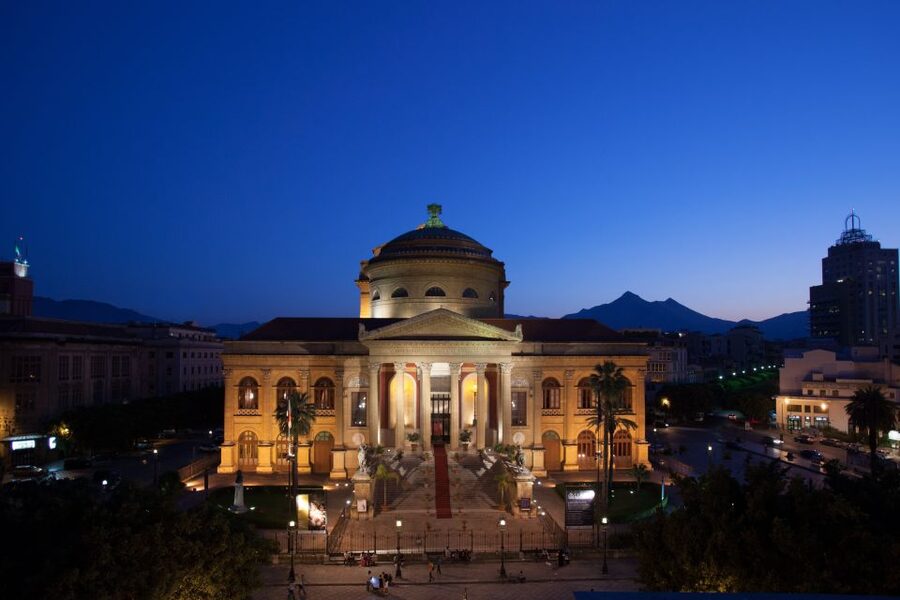
For $14, you’re buying time with a guide in a building that’s doing a lot more than looking pretty. Teatro Massimo (Palermo’s famous opera house) is huge, and walking into it without context can feel like “pretty… and now what?” This tour fixes that by organizing your visit around the spaces that matter most: the foyer, the auditorium, the royal box area, and the stage viewing portion.
The pacing is built for a quick hit of the building’s design. Expect a tour that usually lands around the 30–40 minute mark, sometimes just under an hour, depending on how the theater schedule affects access. The payoff is that you get the big moments—auditorium details and the royal box—without turning your day into an all-day museum chore.
Group sizes are generally small-to-moderate for this type of entry experience, which helps you get photos and actually hear the guide. I also like that the tour is run with live, spoken narration, not just a headset loop—so you can ask questions when something catches your eye.
The Norman palaces, the cathedral and the hushed Capuchin catacombs.


The meeting point and first impressions at the ticket office
Your smooth start is simple. You exchange your GetYourGuide voucher at the Teatro Massimo ticket office. That matters because the theater schedules tours throughout the day, and you’ll want to align with your exact starting time rather than arriving randomly.
When you begin, you’re not stepping into a quiet lobby. You’re stepping into an opera-house world where people are moving, staff are working, and rehearsals might be happening. That’s part of the charm: you’re touring a living performance space, not a sealed-off monument.
Foyer stop: sculptures and bronze candelabra you’ll want to linger on
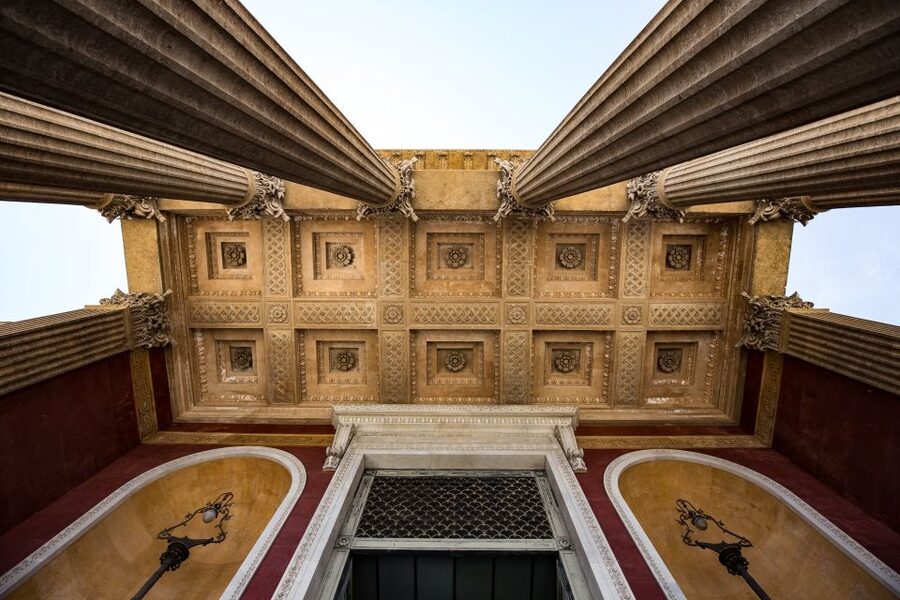
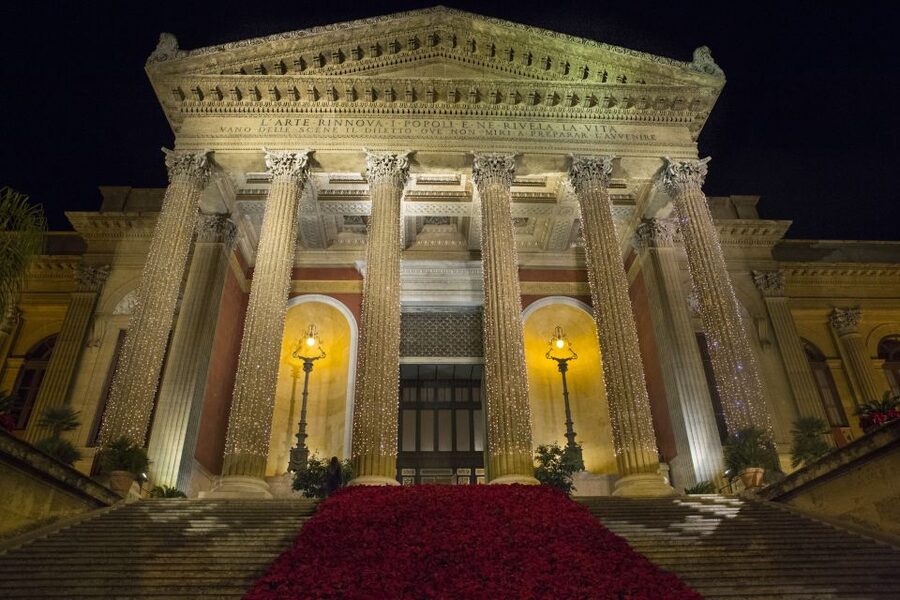
The tour starts in the foyer, and that’s the right move. The foyer is where the building teaches you how to look at it: slowly, with attention to ornament. You’ll see sculptures and bronze-decorated candelabra, and it’s the kind of detail that’s hard to appreciate if you just rush through.
Here’s what I think works for most visitors: the guide connects the decoration to meaning. You’re not only staring at fancy stuff—you’re learning why the room is designed the way it is, and what it signals about the theater’s status. It also gives you an easy place to get your bearings fast.
Practical note: if you’re planning photos, this is the time to grab them. The foyer tends to be bright and visually busy, and it’s where the building looks its most “everybody stop and look.”
Auditorium time: golden stuccoes, velvet-and-glass, and real acoustics talk
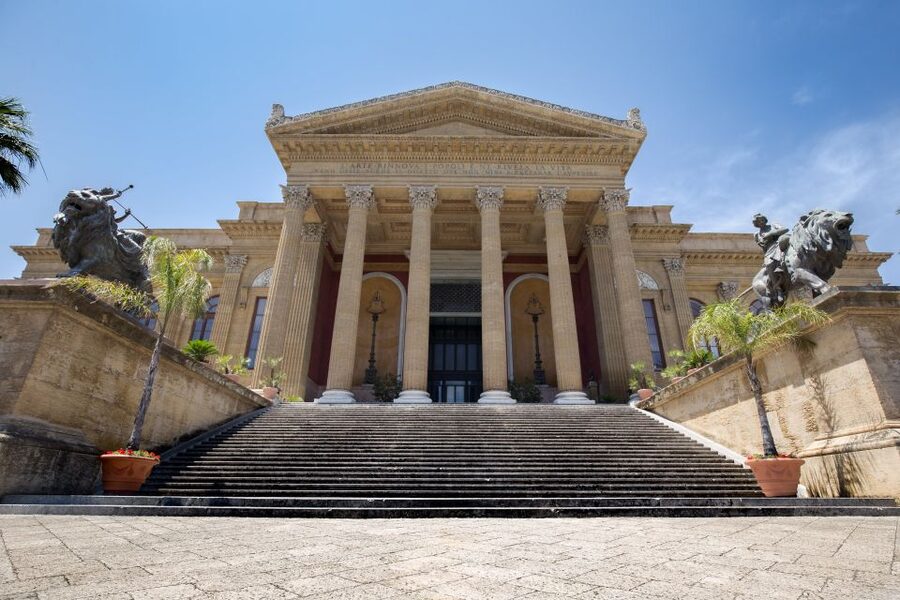
Next comes the auditorium, the part that most people came for. The tour spends time on the golden stuccoes, wooden decorations, and areas that mix velvet and glass. Even if you’ve never attended an opera, the auditorium has a physical feel—like you’re standing inside an instrument.
One especially memorable element on this route is acoustic-focused space. The tour often highlights the auditorium’s sound behavior; you may even get a chance to experience or at least focus on acoustics in a key seating-related area described during the visit.
Also, some days come with extra context because rehearsal work may be happening. On at least some tour dates, people have reported catching orchestra practice, rehearsals, or auditions in progress. That’s not something you should bet on, but if your timing lines up, it turns a normal tour into a mini window into how opera gets made.
Royal box and symbolic rooms: where power meets design
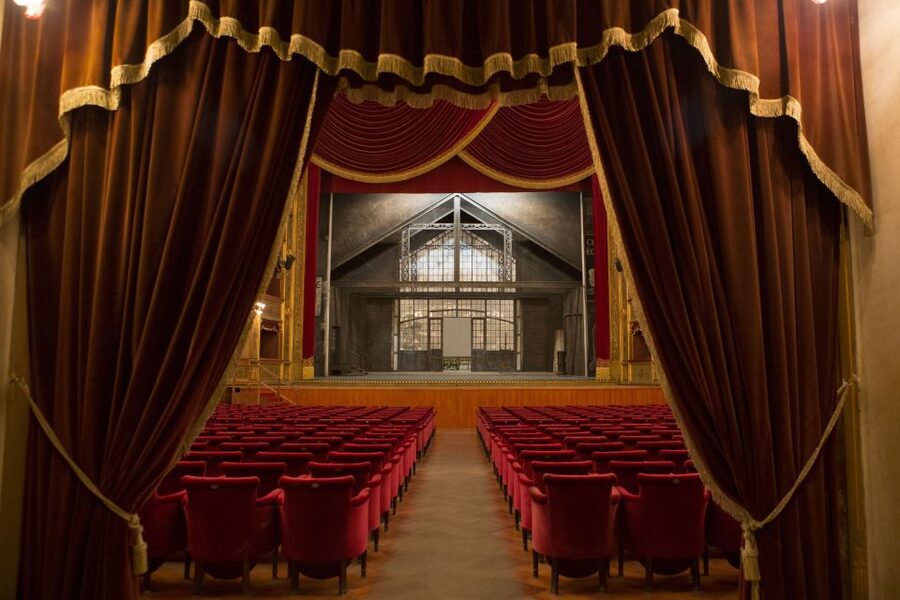
A big reason this tour feels worth it is that it doesn’t stop at “you saw seats.” You also get to areas with storytelling weight. The royal box is a standout stop because it shows how the audience and the building’s hierarchy were designed together. It’s not just a view—it’s a statement.
You’ll also learn about and see areas such as:
- the Royal Box
- the Coat of Arms
- the Pompeian Rooms
These are the kinds of stops that help you understand the theater as more than a venue. They connect art, identity, and politics, all wrapped into architectural choices. If you like architecture that’s trying to say something, this portion is where the tour earns its keep.
More Palermo days out with a local guide.


Stage viewing: what’s included, and why access can change
The tour route includes a visit to the stage and explains what’s needed to stage an opera. That’s a valuable angle because it gives you a “how it works” lens, not just an “admire the art” lens.
That said, opera houses are busy places. Access can vary based on what’s happening—lighting setups, rehearsal timing, maintenance, or private events. Some tours report seeing rehearsals or practice from inside the theater, while others note that certain behind-the-scenes access wasn’t available on that particular day.
So manage expectations like this: you should plan to see the stage as part of the guided route, but you shouldn’t assume full backstage depth will always be possible. The good news is that even without extra backstage areas, you still get the core visual and explanatory pieces that help you understand the show.
Top-floor views: the payoff beyond the theater rooms
You also get breathtaking views of Palermo from the building’s top during the tour. This works as a rhythm-break. After the heavy visual detail of the foyer and auditorium, stepping into an elevated viewpoint resets your perspective.
It’s also a smart way to connect the theater to its city setting. You see Palermo as your background, not only the carved interiors in front of you.
If you’re someone who likes to pair an indoor experience with an outdoor mental map, this stop will land well. It’s quick, but it helps you remember where you are when you step away.
Guides, languages, and what that means for your experience
This tour is offered with live guides in several languages: Italian, French, English, Spanish, and it’s stated that German is available as well.
In practice, having the guide speak clearly matters a lot because you’re walking through a lot of detail in a short window. People have specifically praised guides for being fluent and for explaining what each room is for. Named guides mentioned include Daniele and Martha, and both came up in positive ways—Daniele for engaging, professional delivery; Martha for a great guide experience.
One real-world caution: sometimes tours operate in multiple languages at once, and that can affect the speed of narration for each group. If you’re sensitive to pacing, pick your tour language carefully and show up a bit early so the group assignment doesn’t create any last-minute rush.
Price and timing: is $14 good value?
At about $14 per person, this tour is strong value when you price in three things:
- You’re paying for access to interior spaces in a major landmark.
- You’re paying for a live guide who explains what you’re seeing in multiple languages.
- You’re getting a condensed route that fits into a normal sightseeing day.
The only reason it might feel less like a deal is if you’re expecting a long, all-rooms itinerary or deep backstage access. The format is designed to be efficient, not endless. But for most visitors, that’s a win—one compact guided session that covers the big visual hits.
Timing also matters. Tours run between 9:30 AM and 5:30 PM, with the last tour starting at 5:00 PM. If you prefer softer crowds and more time for photos, aim for earlier time slots.
Who should book this tour (and who might skip it)
This tour is a great fit if you:
- want a fast, organized way to see Teatro Massimo’s main rooms
- love architecture and want the “why” behind the details
- want an opera-house visit even if you don’t plan to attend a performance
You might consider skipping or upgrading your expectations if you:
- want a long, behind-the-scenes production tour (this is mostly public-area focus)
- are hoping for guaranteed access to every stage angle, even during technical work
- hate short tours that move quickly through rooms
Practical tips to make your visit smoother
- Arrive with your voucher ready for the ticket office exchange so you don’t slow down your start.
- Wear comfortable shoes. You’ll move between rooms, and the route is tight.
- If photos matter, prioritize the foyer and auditorium stops where lighting and sightlines tend to be easiest.
- Go in with curiosity. Even brief explanations of the royal box, coat-of-arms symbolism, or Pompeian-themed rooms can turn “pretty” into “I get it.”
Should you book Teatro Massimo guided tour?
If you want an efficient, high-impact introduction to Palermo’s opera-house world, I’d book it. For $14, you get a guided walkthrough of the key spaces—foyer, auditorium, royal box area, symbolic rooms, stage viewing, plus top-floor views—without needing a performance ticket.
Just make peace with the tour’s tempo. It’s built to show you the essentials, and access can shift depending on theater activity. If you’re okay with that, you’ll leave with clear context and a stronger appreciation for what you saw.
FAQ
Is this tour only for people attending an opera performance?
The tour is a guided visit of the Teatro Massimo opera house itself. The information provided focuses on exploring rooms such as the foyer and auditorium, plus a stage visit, rather than requiring an opera ticket.
How long is the Teatro Massimo guided tour?
The experience is described as about 40 minutes. Some tours may run a bit shorter or longer depending on what’s happening in the theater.
Where do I meet for the tour?
You’ll exchange your GetYourGuide voucher at the Teatro Massimo ticket office.
What’s included in the price?
Included is the guided tour of the Teatro Massimo Opera House.
What is not included?
Hotel pickup and drop-off are not included, and food and drinks are not included.
What languages are available?
The tour is available with live guides in Italian, French, English, and Spanish, and German is also listed as available.
What are the tour hours?
Guided tours are available between 9:30 AM and 5:30 PM, and the last tour starts at 5:00 PM.
Can I cancel for a full refund?
Yes. Free cancellation is available up to 24 hours in advance for a full refund.
Do I need to pay immediately?
You can reserve now & pay later, meaning you can book your spot and pay nothing today.
Will I be able to visit the stage?
The tour description includes a visit to the stage as part of the guided route, though what you can access may depend on what the theater is doing at the time.
More Guided Days in Palermo
More Tour Reviews in Palermo



More Palermo Cathedral and Palace Tours
After something else? More tours and day trips around Palermo and western Sicily






Palermo Cathedral, Catacombs & Norman Palaces, compared.
 ★ 5.0Palazzo Conte FedericoFrom $18650 reviews
 ★ 4.7Norman Palace and Palatine Chapel Tour with TicketsFrom $82298 reviews
 ★ 4.8Cappella Palatina and Palazzo dei Normanni TourFrom $45214 reviews
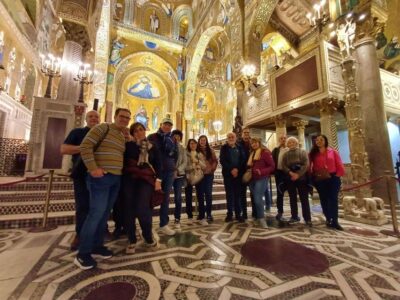 ★ 4.8Tour Cappella Palatina e palazzo Reale: patrimonio UnescoFrom $14183 reviews
 ★ 4.5Norman Palace & Palatine Chapel – Small Group or PrivateFrom $8173 reviews
 ★ 5.0The Godfather Origins of Mafia: Corleone & Visit Monreale DuomoFrom $29873 reviews
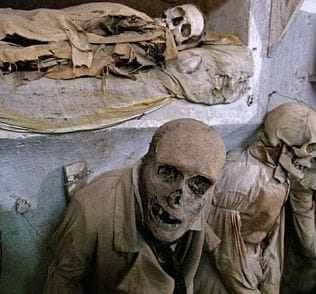 ★ 4.6Capuchin Catacombs and Monreale Cathedral Private TourFrom $24963 reviews
 ★ 4.5Palermo Catacombs and Monreale Half-day TourFrom $57643 reviews
Browse the lists this tour appears in