
Reviewed · PALERMO COOKING CLASSES & CANNOLI WORKSHOPS
Cooking class in a villa with Palermo view
Sicily tastes better with a view. In Carlo’s villa above Palermo, you’ll work on fresh pasta from the garden and learn how to turn it into a full Sicilian meal—with a terrace that overlooks the city and the coast. It’s a 3-hour cooking class that feels less like a studio and more like being welcomed into someone’s home.
Two things I really like: the hands-on focus on real recipes (pasta, pesto/Alla Norma options, and cannoli), and the setting—Conca D’Oro, garden produce, and that panoramic Palermo backdrop. One consideration: this experience is weather-dependent, so if conditions are bad, you’ll need to roll with a reschedule or a refund.
In This Review
- Why this class works so well (quick highlights)
- A villa kitchen above Conca D’Oro (and why the setting matters)
- What you’ll cook: tagliatelle with pesto or Alla Norma, plus cannoli or tiramisu
- Tagliatelle: pesto, Alla Norma, or fresh tomato sauce
- Dessert: Sicilian cannoli (or tiramisu)
- Garden walk and aperitif: how the meal starts before you touch flour
- How the teaching feels in a group of 12 (and what to expect from Carlo)
- The Palermo meal you actually eat (and why it tastes different)
- Time and flow: a relaxed 3 hours that still feels complete
- Price and value: what you’re really paying for
- Getting there: Portella di Mare meeting point and realistic transport thoughts
- Who should book Cooking with Carlo (and who might skip it)
- Should you book this class?
- FAQ
- How long is the cooking class?
- What dishes are included?
- Is the class taught in English?
- How big is the group?
- Where do I meet for the experience?
- Do I need a printed ticket?
- Is the class dependent on weather?
- Are service animals allowed?
- What is the cancellation policy?
Why this class works so well (quick highlights)
- Garden-first ingredients: pesto and flavors come from Carlo’s garden, not supermarket shortcuts.
- Palermo-view dining: you cook and eat with a terrace panorama over the city.
- Small group vibe: limited to 12 people, so you get real attention while you learn.
- Family-style teaching: Carlo shares recipes handed down in his family, with help from family members like Adrianna and others.
- Pasta + cannoli, not just one dish: you leave with multiple skills and a meal you made yourself.
A villa kitchen above Conca D’Oro (and why the setting matters)
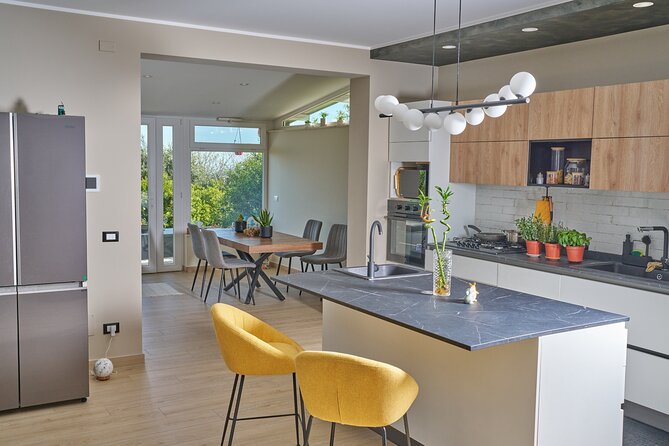
This class starts with one major advantage: the food and the scenery feed each other. You’re not trapped indoors with fluorescent lights. You’re cooking in a home setting that overlooks Palermo, with the Conca D’Oro area stretching out below.
That view isn’t just for photos. It changes the rhythm. Before you cook, you slow down. You sip an aperitif made with local products, then you get ready to work with ingredients that feel tied to the place you’re in. That matters in Sicily, where meals often connect to the land: olive oil, tomatoes, herbs, citrus, and the casual pride of family recipes.
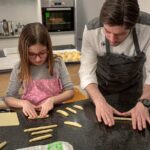
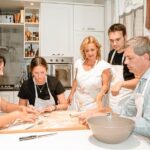
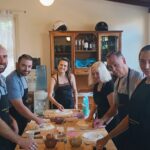
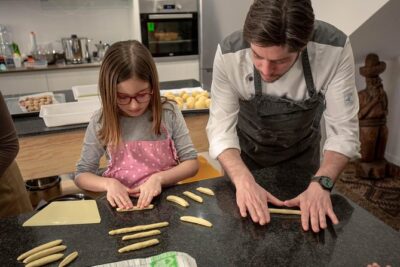
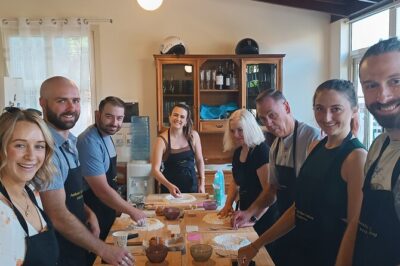
Rolling out fresh pasta and filling cannoli in a Palermo kitchen.
What you’ll cook: tagliatelle with pesto or Alla Norma, plus cannoli or tiramisu
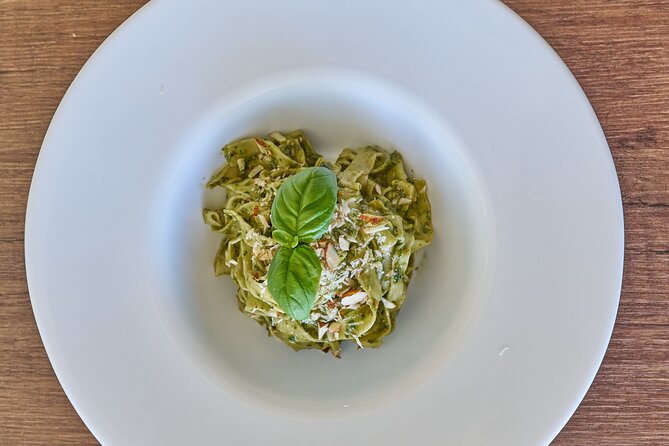
The menu is built around classic Sicilian comfort food, with just enough flexibility to match taste and season.
Tagliatelle: pesto, Alla Norma, or fresh tomato sauce
You’ll make fresh tagliatelle—then top it with one of the Sicilian directions offered in the class:
- pesto made with herbs from the garden
- Alla Norma style (a beloved Sicilian combination)
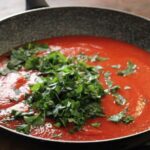
- or a fresh tomato sauce option
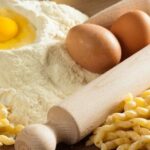
Practically, this is the part that gives you the most “I can do this at home” value. Pasta dough can look intimidating, but when you’re guided step-by-step in a relaxed home kitchen, you walk away with a process you can repeat.
Dessert: Sicilian cannoli (or tiramisu)
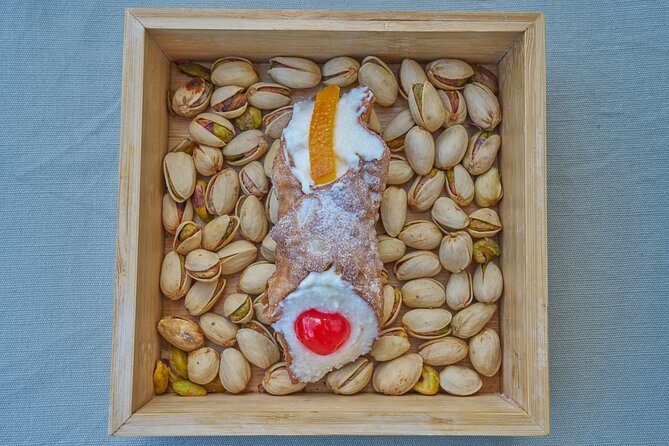
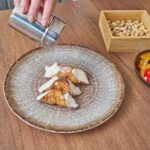
For dessert, you’re in cannoli territory, with cannolo listed as the standard Sicilian choice. Tiramisu is also part of the provided menu options, so you may see either depending on what’s planned for your session.
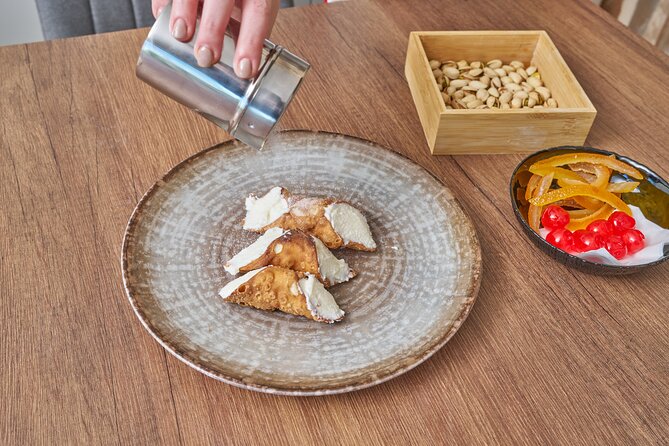
The cannoli element is a big deal in the stories people share: it’s not treated like an afterthought. You learn it as a real skill—how to handle the dough, fill it well, and balance flavors so the final bite isn’t just sweet, but properly Sicilian.
Garden walk and aperitif: how the meal starts before you touch flour
The class doesn’t jump straight into cooking. It sets you up with context and ingredients first.
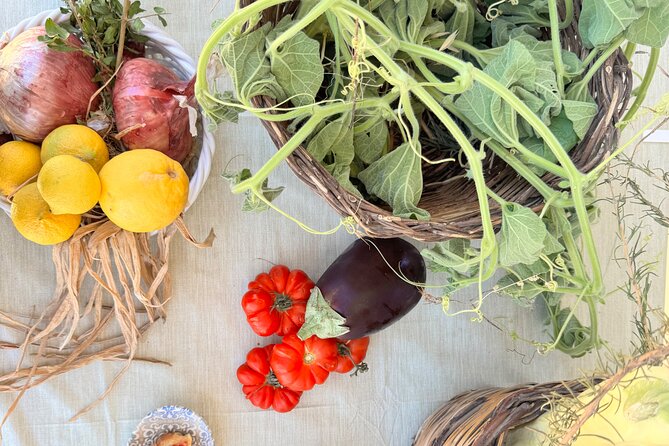
You’ll start with an aperitif featuring local products, then you’ll move into the garden side of the experience—where the herbs and produce used later in your meal come from. You’re meant to see how the flavors connect: tomatoes and herbs for sauces, basil for pesto-style flavor, and the kind of produce that tastes like it’s been waiting for summer.
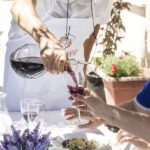
In many sessions, the aperitif isn’t just juice and crackers. People describe a real tasting feel—prosecco and wine showing up alongside bites—so plan to treat this like part cocktail-hour, part cooking class, part dinner.
More hands-on Palermo experiences to try.
How the teaching feels in a group of 12 (and what to expect from Carlo)
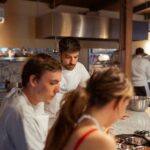
This is capped at 12 people, which changes the whole experience. With that size, Carlo and the family can actually watch what you’re doing—kneading, shaping, mixing, filling—then correct small things before they become problems.
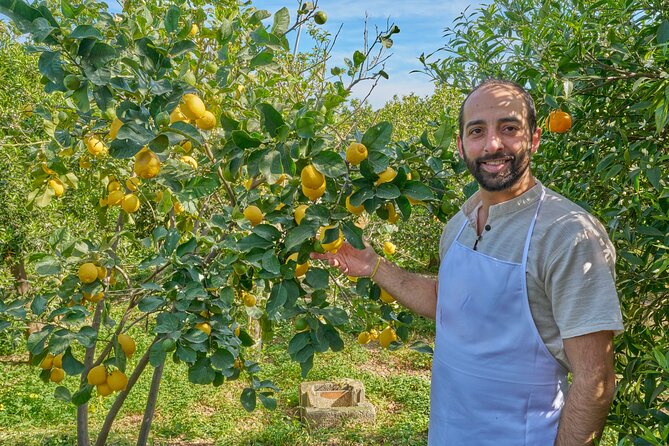
Carlo is also the kind of teacher who mixes instruction with storytelling. You’re not only learning recipes; you’re getting why they work—family methods, local ingredient choices, and the small practical tricks that make the end result taste right.
You’ll also benefit from the family helpers in the kitchen. People mention Carlo’s family members stepping in during the process, including help from Adrianna and other relatives who support setup and the flow of the class. That family network is why the pace stays friendly even when you’re doing something hands-on for the first time.
Language is English, so you won’t be fighting the menu.
The Palermo meal you actually eat (and why it tastes different)
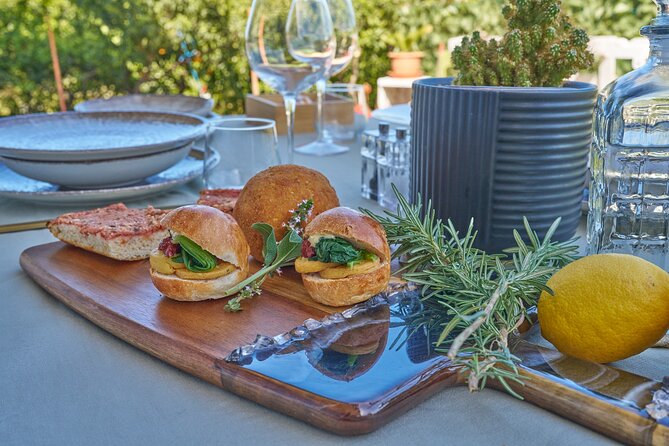
In many cooking classes, you make something and then rush out. Here, the payoff is built in. You cook, then you sit down and eat what you made—often paired with wine through the meal.
What tends to make the dining feel special:
- Ingredients pulled into the food while they’re still at their peak
- sauces that rely on garden tomatoes and herb intensity
- olive-oil flavor that doesn’t taste like “generic oil”
- dessert that’s treated as part of the craft, not just a sweet ending
If you’re curious about Sicilian flavors, this is one of the fastest ways to understand them. You don’t need a cookbook or a long lecture. You eat the dish, learn the method, and then notice how the ingredients behave together.
Time and flow: a relaxed 3 hours that still feels complete
The class runs about 3 hours. That’s a sweet spot: enough time to make real dough and learn a dessert, but not so long you lose focus.
Here’s the typical flow, in plain terms:
- Meet at the set meeting point.
- Aperitif and local bites.
- Garden time and ingredient gathering/seeing what you’ll use.
- Cooking: fresh tagliatelle and your chosen sauce direction.
- Dessert prep and then the sit-down meal.
- You’re done back at the meeting point.
The practical tip: eat lightly beforehand. It’s not a snack-only experience—you’ll leave full.
Price and value: what you’re really paying for
At $139.13 per person for about 3 hours, this isn’t a budget cooking class. But the value comes from what’s included and how it’s taught.
You’re paying for:
- fresh pasta making (not just assembling)
- Sicilian cannoli and/or tiramisu as a learned dessert
- garden-linked ingredients rather than generic pantry items
- an apéritif and a full meal experience at the end
- a small group format that supports hands-on instruction
- recipes to take home (so you can try again)
If you compare it to paying separately for a meal plus a cooking-style workshop, it holds up better than it looks at first glance. And if you care about authentic cooking without the museum feel, this is the right kind of spend.
Getting there: Portella di Mare meeting point and realistic transport thoughts

You meet at Via Nazionale, 240, 90036 Portella di Mare PA, Italy, and the activity ends back there.
Portella di Mare is close to Palermo, but you should still plan transport like you would for any countryside-leaning experience. You’ll likely want a taxi or a pre-arranged ride so you’re not late and stressed.
One helpful note: in the class stories shared by families and friends, the host’s household has helped coordinate transport for some groups. If that’s something you care about, ask ahead of time. Otherwise, just plan on getting yourself to the meeting point smoothly.
Who should book Cooking with Carlo (and who might skip it)
This works best if you want:
- a hands-on Sicilian cooking lesson
- a meal you help make and then eat in a real home setting
- a small-group experience with family-led teaching
- a taste of Palermo beyond the city center
It’s also a solid choice for families. People describe Carlo being patient with kids and helping them keep up with tasks, even when they’re younger. If you’re traveling with children, you’ll probably appreciate that the atmosphere stays relaxed and friendly.
Who might skip it? If you hate outdoor/seasonal elements or you prefer a large, branded “show” tour, this won’t match your style. Also, since it depends on good weather, don’t book if you’re extremely inflexible with your schedule.
Should you book this class?
Yes—if you want a genuine Sicilian food lesson with real ingredients and a Palermo view, this is one of the best ways to spend an afternoon. The combination of fresh tagliatelle, Sicilian cannoli, and a garden-to-plate approach makes the class feel worth more than the price tag.
Book it if:
- you’re in Palermo for a few days and want one standout food experience
- you like cooking at a real pace, with guidance
- you want recipes you can reuse later
Think twice if:
- your schedule is fixed and you can’t handle a weather-related reschedule
- you want something strictly in-the-city with no countryside feel
FAQ
How long is the cooking class?
It runs for about 3 hours.
What dishes are included?
You’ll make fresh tagliatelle with options like garden pesto, Alla Norma, or fresh tomato sauce. Dessert is Sicilian cannoli or tiramisu.
Is the class taught in English?
Yes, it’s offered in English.
How big is the group?
The class has a maximum of 12 people.
Where do I meet for the experience?
You meet at Via Nazionale, 240, 90036 Portella di Mare PA, Italy, and the activity ends back at the meeting point.
Do I need a printed ticket?
No, the tour uses a mobile ticket.
Is the class dependent on weather?
Yes. It requires good weather. If it’s canceled due to poor weather, you’ll be offered a different date or a full refund.
Are service animals allowed?
Yes, service animals are allowed.
What is the cancellation policy?
You can cancel for a full refund up to 24 hours before the experience starts. If you cancel less than 24 hours before the start time, the amount paid is not refunded.
More Palermo Workshops
More Tour Reviews in Palermo


More Palermo Cooking Classes
After something else? More tours and day trips around Palermo and western Sicily






Palermo Cooking Classes & Cannoli Workshops, compared.
 ★ 4.9Pizza and Gelato Cooking Class with Dinner and WineFrom $71951 reviews
 ★ 5.0Palermo’s Delight: Unleash the Secrets of Pizza and Gelato MakingFrom $60497 reviews
 ★ 5.0Sicilian Cooking ClassFrom $118289 reviews
 ★ 4.9Market Tour and Sicilian Cooking Class with LunchFrom $65229 reviews
 ★ 5.0Wanna be Sicilian: Palermo Cooking Class and Market TourFrom $60197 reviews
 ★ 5.0Small group Pasta and Tiramisu class in PalermoFrom $163109 reviews
 ★ 5.0Fresh pasta and tiramisù class in PalermoFrom $10296 reviews
 ★ 4.9Pasta & Tiramisu Cooking Class at a Local’s HomeFrom $15274 reviews
Browse the lists this tour appears in