
Reviewed · PALERMO COOKING CLASSES & CANNOLI WORKSHOPS
Sicilian Cooking Class
Food shopping in Palermo’s real market sets the tone. You start by walking into Mercato del Capo near Porta Carini to pick fresh ingredients, then you cook a hands-on 4-course Sicilian meal with an English-speaking instructor. After that, you sit down for dinner with wine, homemade liqueurs, and coffee.
I like that the class is built around Palermitan street-food logic: taste first, then learn why the flavors work. The group stays small (max 8), so you get actual guidance while you make pasta and fry starters. One consideration: it’s not recommended for people with severe food allergies—reach out first if you have dietary needs.
In This Review
- Key highlights worth planning for
- Palermo market-to-kitchen: the logic behind the whole class
- Air-conditioned kitchen time with Michael (and helpful hands)
- Your 4-course Sicilian menu: what you’ll make and why it tastes like home
- Starter ideas: fried street-food that teaches texture
- Pasta course: fresh dough plus real Palermo flavor
- Main course: meat rolls and breaded swordfish
- Dessert: cannoli, cassata, or granita with almond flavor
- Wine, homemade liqueurs, and coffee: the social finish
- Timing, meeting point, and what to bring
- Price and value in Palermo: what $118.56 really buys
- Who this Palermo class is best for (and who should think twice)
- Should you book this Sicilian Cooking Class?
- FAQ
- What is the meeting point for the Sicilian cooking class?
- How long is the experience?
- Is the cooking class offered in English?
- What group size is it?
- Is this class suitable for severe food allergies?
- Can I get a full refund if I cancel?
Key highlights worth planning for
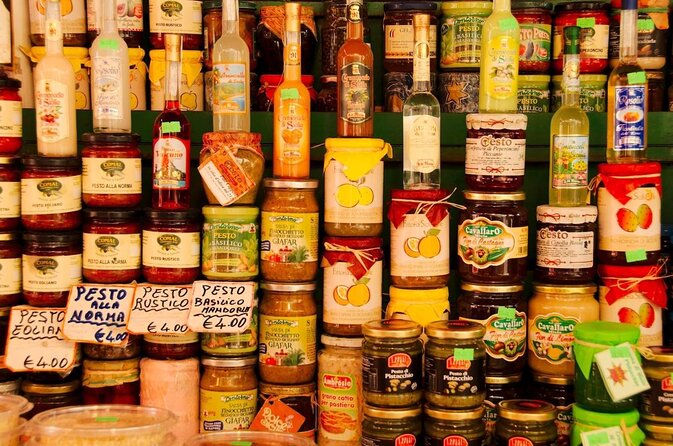
- Mercato del Capo ingredient shopping right in Palermo’s old town
- Hands-on cooking for a full 4-course meal, not a watch-and-snack class
- English-speaking instruction and small group size (max 8)
- Air-conditioned kitchen space for comfort during cooking
- Wine + homemade liqueurs + coffee included with your meal
Palermo market-to-kitchen: the logic behind the whole class
This class works because it doesn’t treat cooking like a school exercise. It treats it like Sicilian life: ingredients first, then technique, then eating together.
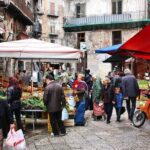
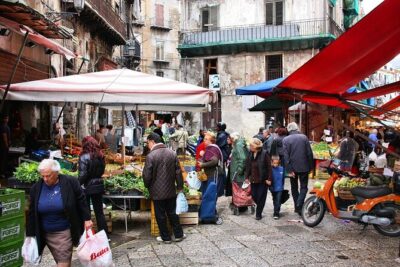
You meet near Porta Carini, by the gateway to the Mercato del Capo area. From there, you go into the historic market zone to choose what you’ll cook. The point isn’t just to see stalls. You learn what to buy in Palermo and how vendors and seasonal produce shape the menu. That matters because Sicilian cooking is built on what’s fresh and in season, not what’s always available year-round.
Also, the market walk helps you get your bearings fast. Palermo’s old town has a maze-like feel. This gives you a short, guided way to connect streets, smells, and what ends up on the plate later. And yes—weather can affect market activity. If it rains, you might find some areas close earlier than expected, so bring a light rain layer and expect a bit of local rhythm.
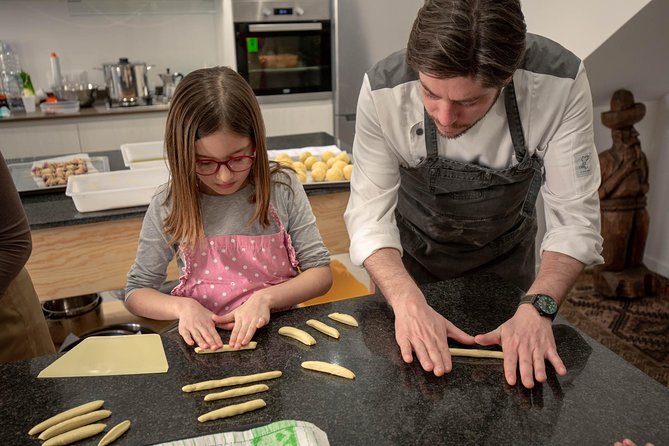
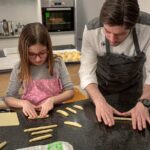
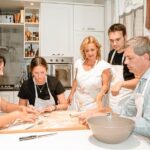
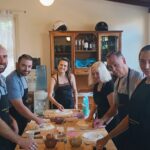
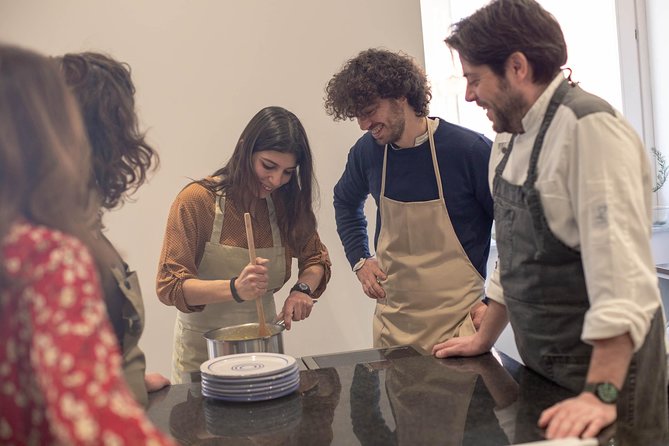
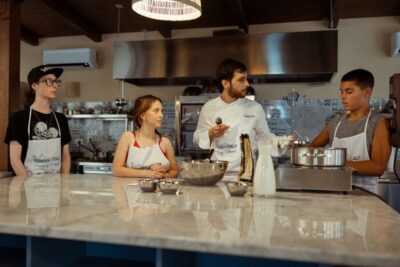
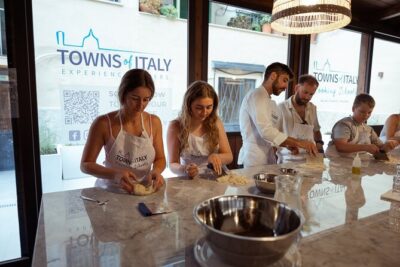
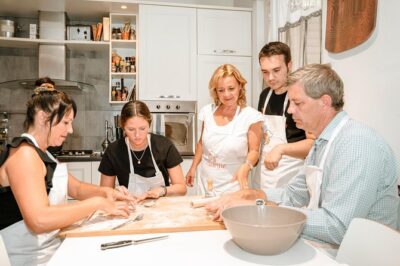
Rolling out fresh pasta and filling cannoli in a Palermo kitchen.
Air-conditioned kitchen time with Michael (and helpful hands)
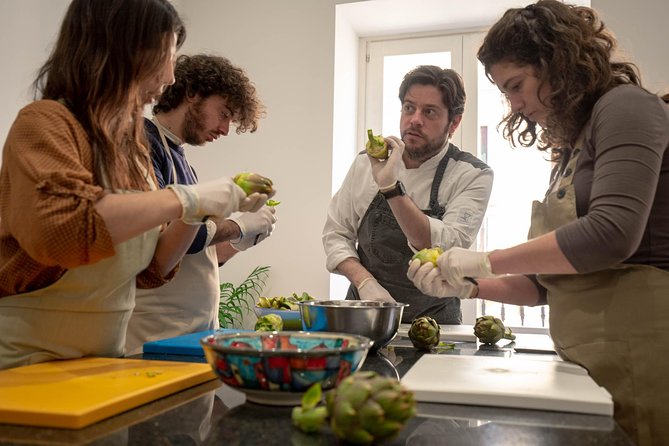
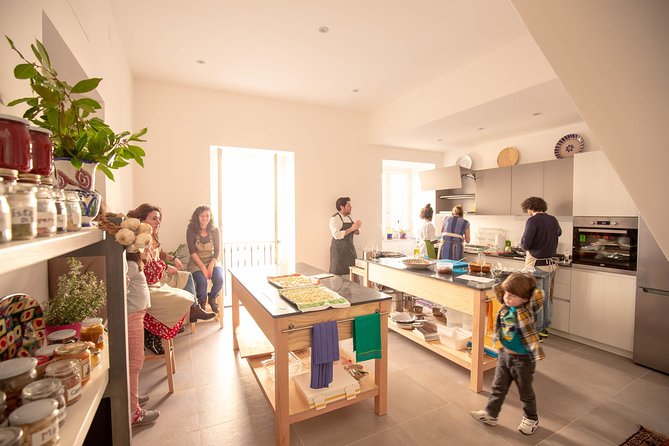
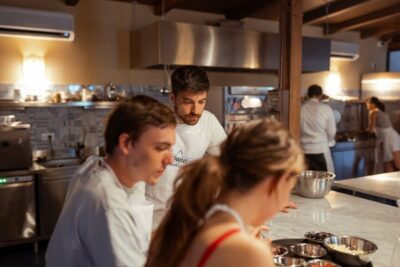
Once you’ve chosen ingredients, you head to an air-conditioned cooking school. That’s a big deal. You’ll be doing active prep (cutting, shaping, frying, stirring), and Palermo’s heat can turn “fun hands-on” into “sweaty stress” if the space isn’t comfortable. Here, the kitchen is set up for learning and working.
The cooking is led by Michael with assistant help (you may work with an assistant like Elena or Melissa, depending on the day). Reviews point to clear leadership, fast organization, and good English. That combination matters: you want your instructor to explain not just what to do, but why.
Small group size (up to 8) is another quiet winner. You’re not competing for attention. If you struggle with a step—fresh pasta, breading, or getting frying right—you can get corrected before it becomes a problem.
Your 4-course Sicilian menu: what you’ll make and why it tastes like home
The class is built around four courses: a starter, a pasta course, a main, and dessert. What you eat can shift with season and availability, but the menu themes stay very Palermitan.
Starter ideas: fried street-food that teaches texture
You might start with panelle, which are chickpea fritters, fried and served with lemon. This is a great starter because it teaches a core Sicilian trick: flavor isn’t only in sauces. It’s also in crunch, oil temp, and acidity. Lemon makes the whole thing snap into focus.
Another possibility is arancine al burro—Palermo’s rice-ball classic, saffron-flavored, filled with ham and cheese, then breaded and fried. This is hands-on learning territory: shaping rice, handling filling without overstuffing, and breading evenly for a crisp shell.
Or you may make carciofi fritti, fried artichokes cut into quarters, breaded and fried until golden. Artichokes are one of those ingredients that can be earthy or flat if you don’t treat them right. Frying helps here, and you’ll get a feel for timing.
Pasta course: fresh dough plus real Palermo flavor
For pasta, the class may go in two directions:
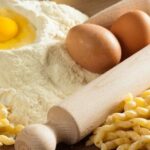
- Pasta fresca con salsa fresca: you make fresh pasta dough, then top it with a freshly made tomato sauce. Fresh pasta teaches patience and feel—rolling, cutting, and managing thickness so it cooks evenly. The tomato sauce is your reminder that “simple” in Sicily usually means fewer ingredients, not fewer steps.
- Pasta con le sarde: a classic Palermitan combo with fresh sardines, wild fennel, saffron, currents, and pine nuts, finished with toasted breadcrumbs. This is where you see Sicilian flavor logic: sweet-salty notes, aromatics, and crunch in layers.
Even if you’re not a pasta expert at home, this course sets you up with techniques you can repeat.
More hands-on Palermo experiences to try.
Main course: meat rolls and breaded swordfish
Your main could be one of these hearty Sicilian favorites:
- Involtini di carne: thin meat rolls stuffed with cheese, breadcrumbs, currants, and almonds, then skewered, breaded, and roasted. The combination is what makes it feel “family-household Sicilian.” Sweet notes from currants and the nuttiness from almonds keep it from tasting one-note.
- Pesce spada panato: swordfish slices dipped in olive oil and coated with seasoned breadcrumbs with parsley, mint, and lemon zest. This one shows how Sicilians use fresh herbs as a flavor engine, not just decoration.
Both mains rely on breading and roasting techniques, so you’re not just making one dish. You’re learning how Sicily builds flavor through texture: crispy outside, tender inside.
Dessert: cannoli, cassata, or granita with almond flavor
Dessert brings you straight to iconic Palermo territory.
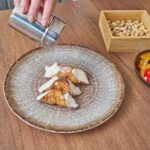
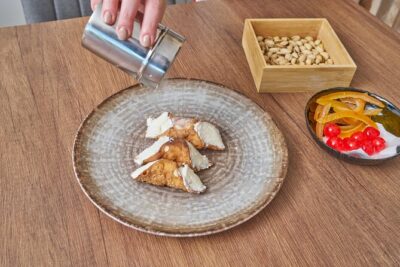
- Cannoli: fried pastry tubes filled with sweet ricotta cream and topped with candied orange peel and pistachios from Bronte. The skill here is balance—creamy filling against crisp shell, plus citrus and nuts for contrast.
- Cassata: almond paste and sponge cake stuffed with sweet ricotta cream, decorated with candied fruit. It’s richer and more structured, so it feels like a celebration cake rather than a casual end.
- Granita di mandorle: a frozen dessert made with water, sugar, and almonds. It’s simple on paper, but the taste is clean and unmistakably Sicilian—like a palate reset after something savory.
If you’re the type who avoids touristy copies of Italian desserts, this course is a good match. You’re getting Sicilian first, not the usual generic list.
Wine, homemade liqueurs, and coffee: the social finish
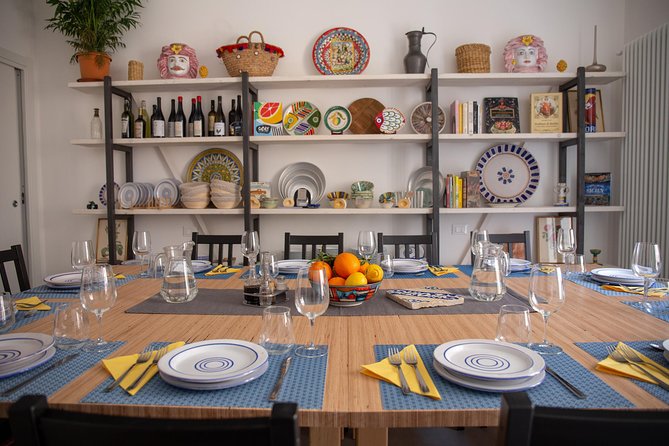
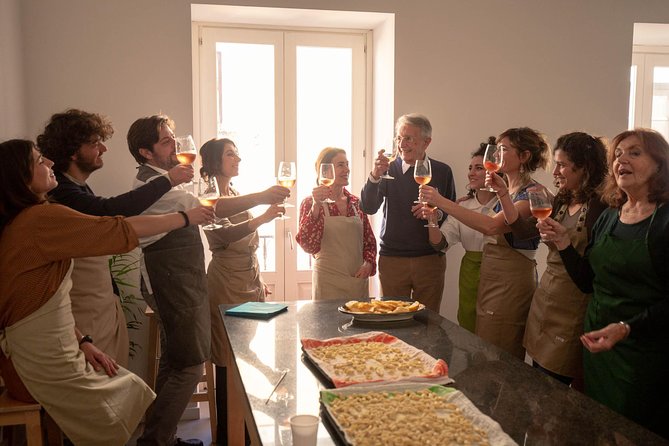
The class doesn’t end when cooking stops. You sit down to eat what you made with a selection of Sicilian wines. Then there are homemade liqueurs, followed by coffee.
This is where the experience turns from skill-building into a real meal with a story. Wine pairing adds a layer of sense-making: you see how acidity and fruitiness play off fried starters, tomato sauce, and salty mains. The homemade liqueurs finish the night the way Sicilians often do—sweet, fragrant, and a little surprising.
And because it’s a small group, the table time feels conversational, not performative.
Timing, meeting point, and what to bring
This is scheduled to start at 10:00 am and runs about 4 hours 30 minutes. You’ll meet near Parcheggio ORLANDO | APCOAP.za Vittorio Emanuele Orlando, 49, 90134 Palermo. You end back at the meeting point.
Practical tips:
- Wear comfortable shoes. You’ll walk between the market and the kitchen.
- Bring a light layer. Even with air-conditioning, market time can be warmer or cooler depending on the day.
- If you have mobility issues, plan carefully. One review noted a steep flight of stairs at the kitchen location, so ask in advance if stairs are a challenge for you.
- Rain plan: if the weather turns, parts of the market may run differently. A small umbrella or waterproof jacket keeps your day smooth.
Also, the tour uses a mobile ticket and is offered in English, which makes it easy to show up without extra paperwork.
Price and value in Palermo: what $118.56 really buys
At $118.56 per person for about 4.5 hours, the value comes from the full package, not just the cooking.
You’re paying for:
- a guided walk and ingredient selection at Mercato del Capo
- a hands-on class with multiple dishes (starter, pasta, main, dessert)
- a sit-down meal you help prepare
- wine, plus homemade liqueurs and coffee
For Palermo, where it’s easy to spend money on “nice views” and end up eating one meal, this gives you a full culinary arc. By the time you leave, you’ve made food you can recognize in Sicilian homes and street stalls. That turns the cost into something closer to a workshop + dinner, which is exactly how it feels.
And with a maximum of 8 people, it’s not a mass production. You’re more likely to get personalized help and make fewer mistakes that you can’t fix.
Who this Palermo class is best for (and who should think twice)
This experience is a strong match if you want:
- authentic Sicilian dishes (not generic Italian)
- a market-to-plate routine with clear instruction
- a small group activity that doubles as a dinner plan
It’s especially good for food lovers who want to take technique home. If you care about frying, shaping, breading, fresh pasta, and balancing sweet-salty flavors, this will click.
It may be less suitable if:
- you have severe food allergies (you’ll want to contact the operator first, since it’s not recommended as written)
- you need step-free access (a steep staircase has been mentioned in real-world experience)
Should you book this Sicilian Cooking Class?
Yes—if you want Palermo through food, and you like the idea of learning by doing. The market shopping adds real meaning. The kitchen lesson stays active. And the included dinner (wine, liqueurs, coffee) makes it feel like a proper Sicilian afternoon, not a quick demo.
I’d say skip or ask extra questions first if you have severe allergies or mobility concerns. Also, if you’re expecting a relaxed “wander and taste” tour, this is more hands-on than that. You’ll cook.
If you’re trying to pick one Sicilian food experience in Palermo, this is the kind that gives you both stories and recipes—because you can actually understand what you’re eating.
FAQ
What is the meeting point for the Sicilian cooking class?
You meet at Parcheggio ORLANDO | APCOAP.za Vittorio Emanuele Orlando, 49, 90134 Palermo PA, Italy, near the market area around Porta Carini.
How long is the experience?
The class runs about 4 hours 30 minutes.
Is the cooking class offered in English?
Yes. The experience is offered in English.
What group size is it?
It has a maximum of 8 travelers.
Is this class suitable for severe food allergies?
No, it is not recommended for people with severe food allergies. If you have dietary requirements, you should get in touch.
Can I get a full refund if I cancel?
Yes, you can cancel for a full refund if you cancel at least 24 hours before the start time. Cancellation within 24 hours of the start time is not refunded.
More Palermo Workshops
More Tour Reviews in Palermo
More Palermo Cooking Classes
After something else? More tours and day trips around Palermo and western Sicily




Palermo Cooking Classes & Cannoli Workshops, compared.
 ★ 4.9Pizza and Gelato Cooking Class with Dinner and WineFrom $71951 reviews
 ★ 5.0Palermo’s Delight: Unleash the Secrets of Pizza and Gelato MakingFrom $60497 reviews
 ★ 4.9Market Tour and Sicilian Cooking Class with LunchFrom $65229 reviews
 ★ 5.0Wanna be Sicilian: Palermo Cooking Class and Market TourFrom $60197 reviews
 ★ 5.0Cooking class in a villa with Palermo viewFrom $139155 reviews
 ★ 5.0Small group Pasta and Tiramisu class in PalermoFrom $163109 reviews
 ★ 5.0Fresh pasta and tiramisù class in PalermoFrom $10296 reviews
 ★ 4.9Pasta & Tiramisu Cooking Class at a Local’s HomeFrom $15274 reviews
Browse the lists this tour appears in