
Reviewed · PALERMO COOKING CLASSES & CANNOLI WORKSHOPS
Sicilian Cooking Class in Palermo
A Palermo kitchen smells like dinner before you even cook. That’s the pull of this Sicilian class: you shop seasonal ingredients in the market, then head to a gourmet home kitchen inside a historic building for a full, wine-paired meal. It is a hands-on way to understand what makes Sicilian food different from the rest of Italy.
What I like most is how practical it feels: you learn the logic behind dishes, not just how to follow steps. I also love the social setup, with wine in hand from the start and a meal that’s served as part of the lesson, not an afterthought.
One thing to plan for: the price does not include the parking fee, and there is no hotel pick-up or drop-off, so you’ll want to build in some time to get yourself there.
In This Review
- Key points you should know before you go
- Why This Sicilian Cooking Class Begins With the Market
- Palazzo Asmundo to a Historic Kitchen: The Walk That Sets the Tone
- Hands-On Cooking: Caponata and Busiate With Trapani Pesto
- Caponata: The sweet-sour signature
- Busiate al pesto trapanese: Pasta shape and a different pesto attitude
- Other Sicilian classics you might cover
- Wine Pairings and the Meal That Feels Like a Real Lunch in Palermo
- What the pairing concept really teaches
- Desserts and finishing touches
- What You Learn Beyond Recipes (and Actually Use Later)
- Price and Logistics: Is $229.29 Good Value?
- Who This Class Fits Best in Your Palermo Plan
- Smart Tips Before You Book
- Should You Book This Palermo Sicilian Cooking Class?
- FAQ
- What is the duration of the Sicilian cooking class in Palermo?
- Where do I meet for the experience?
- Is the class offered in English?
- Is lunch or dinner included?
- Is wine included?
- Is vegetarian food available, and is parking included in the price?
Key points you should know before you go
- Market shopping first, so you start with the freshest seasonal ingredients
- A historic home kitchen setting, not a classroom vibe
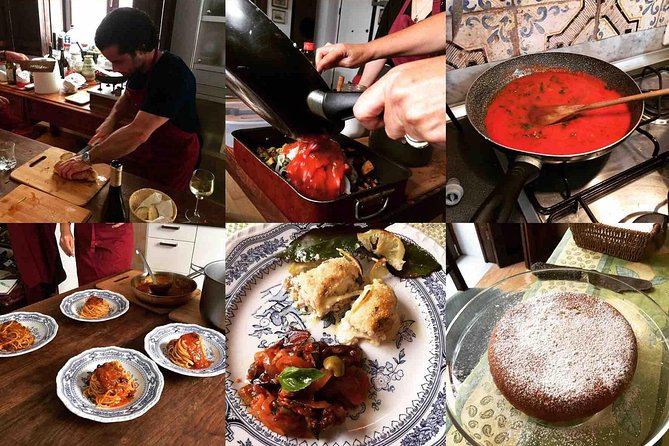
- Hands-on cooking for classic Sicilian dishes like caponata and busiate al pesto trapanese
- Wine and food tastings included, with wine at the table during lunch or dinner
- Small group size, capped at 20 travelers, which keeps the class hands-on
- Vegetarian options are available if you ask in advance
Why This Sicilian Cooking Class Begins With the Market
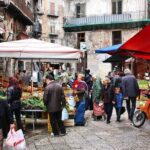
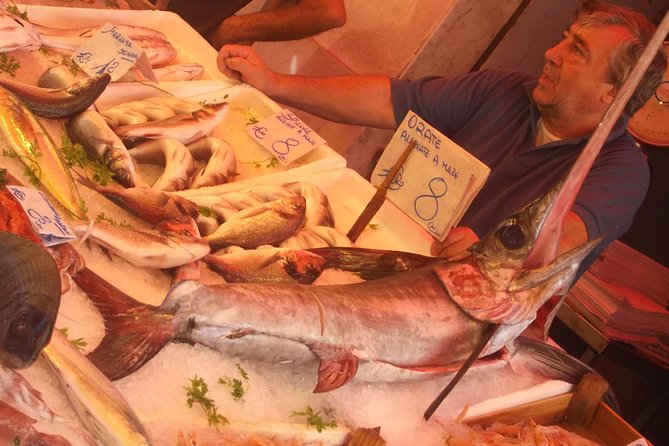
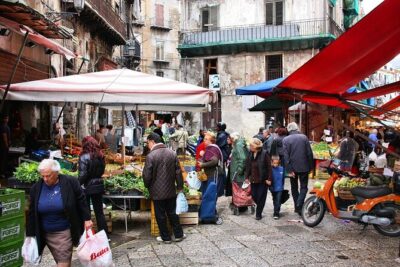
This tour starts with food shopping, which is exactly where you want to be if your goal is to cook Sicilian food after your trip. Instead of arriving to a kitchen with everything pre-chopped and pre-measured, you get to select ingredients at the market with your instructor guiding the choices.
For Sicilian cooking, the ingredient matters almost as much as the recipe. You’ll be looking at vegetables, olives, capers, and pantry staples that are core to the region’s flavor style. A lot of Sicilian cooking leans into bold contrasts: salty with sweet, fresh with tangy, and bright herb notes with deep, slow-simmered sauces. The market leg is where you start learning that flavor logic.
You’ll also notice how the shopping tempo changes what you cook. By the time you reach the kitchen, you’re already thinking about textures and ripeness. That means less guessing later.
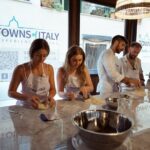
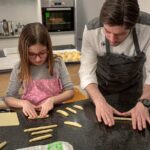
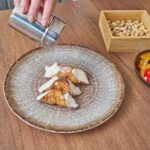
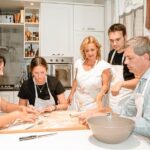
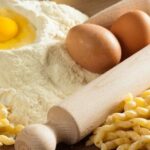
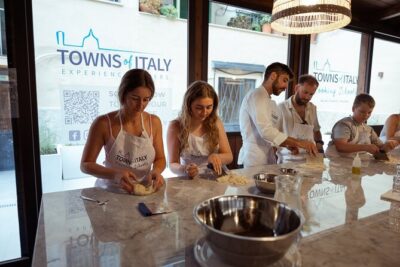
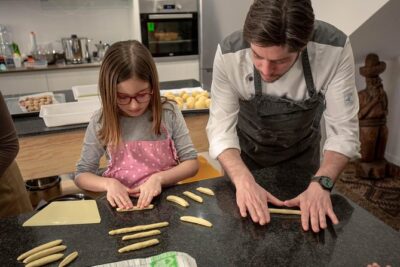
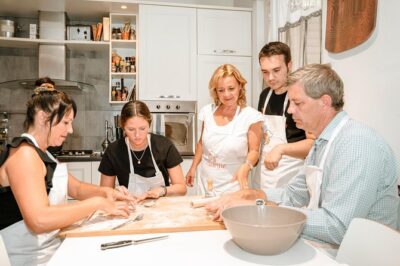
Rolling out fresh pasta and filling cannoli in a Palermo kitchen.
Palazzo Asmundo to a Historic Kitchen: The Walk That Sets the Tone
The itinerary includes a stop at Palazzo Asmundo – Museo, and that matters more than it sounds. Palermo’s historic buildings can make a normal day feel like you’re stepping into the city’s rhythm, and this outing uses that energy to set the mood before cooking starts.
After that, you head to the market for ingredients, then you walk about 10 minutes to the home kitchen. That short walk is a useful detail. It keeps things relaxed. You’re not fighting transportation schedules, and you’re not arriving frazzled. It also means the day stays in one compact pocket of central Palermo.
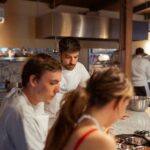
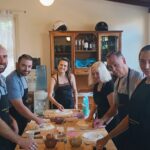
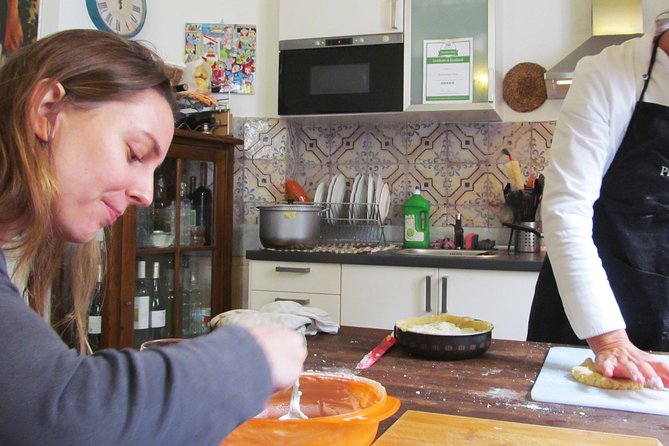
The cooking itself happens in a gourmet home kitchen in a historic building. In practical terms, that usually translates to a more comfortable, lived-in setup than a converted restaurant kitchen. Reviews and descriptions repeatedly point to a warm host experience, and that matches what a home-kitchen class should feel like: you’re not just watching. You’re working side by side.
Group size is also capped at 20. That is big enough to meet fellow food lovers, but small enough that you’re not stuck waiting your turn for every step.
Hands-On Cooking: Caponata and Busiate With Trapani Pesto
The class menu centers on Sicilian favorites, and the two headline dishes give you a great snapshot of the region’s style.
Caponata: The sweet-sour signature
You’ll make caponata, a vegetable stew salad built on eggplant, onions, capers, and green olives, with the classic agrodolce sweet-sour balance. This dish is a perfect lesson in why Sicilian flavors can feel more expressive than some other Italian staples.
What to watch for as you cook:
- Eggplant texture. You want it tender without turning it into mush.
- The balance. Caponata should taste lively, not just sweet. The sour element is what makes it addictive.
- The flavor layering. Olives and capers bring salt and sharpness, and the agrodolce ties it together.
Even if you only remember one Sicilian rule after this class, let it be this: sweetness in Sicily usually has an edge.
Busiate al pesto trapanese: Pasta shape and a different pesto attitude
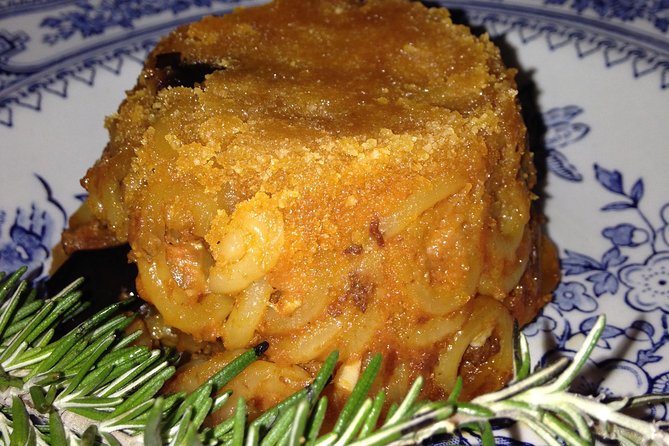
Next up is busiate al pesto trapanese. Busiate is a pasta shape associated with Trapani, and the pesto here isn’t the same as the common green version you might expect.
This is where the class helps you shift your assumptions. Trapani pesto has its own personality, and one of the standout tweaks is using almonds instead of pine nuts. That single substitution changes the flavor and mouthfeel, so the pesto tastes more distinct than you’d guess from the name alone.
You’ll be making the pesto and preparing the pasta course together. That means you learn:
- how pesto behaves as it clings to pasta (busiate’s shape is made for holding sauce)
- how to adjust for taste as you go, rather than relying on one fixed measurement
If you’ve ever tried recreating a pesto and wondered why yours tasted flat, this class approach usually helps: you’re building flavor in real time.
More hands-on Palermo experiences to try.
Other Sicilian classics you might cover
The exact menu can vary by session, but you should be prepared for more Sicilian standards than just the two sample dishes. Many classes in this style commonly add additional traditional items like arancini and cannoli, plus Sicilian desserts such as baked ricotta cakes. If you care about a specific dish, it’s worth confirming with the operator before you go so your expectations match the day.
Wine Pairings and the Meal That Feels Like a Real Lunch in Palermo
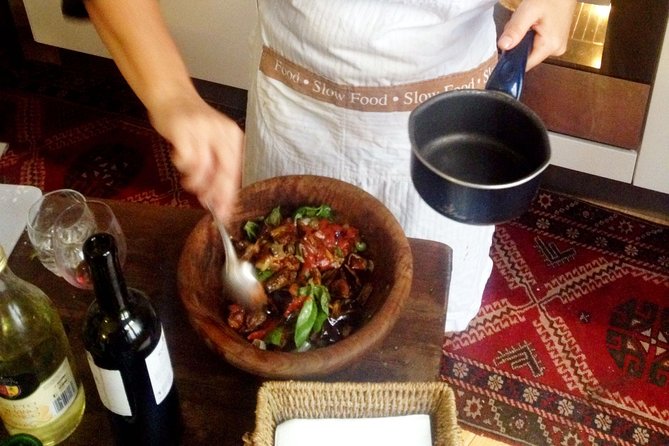
This is not a cooking class that ends with a snack. You sit down for a full lunch or dinner, depending on your departure time, and the outing includes wine and food tasting.
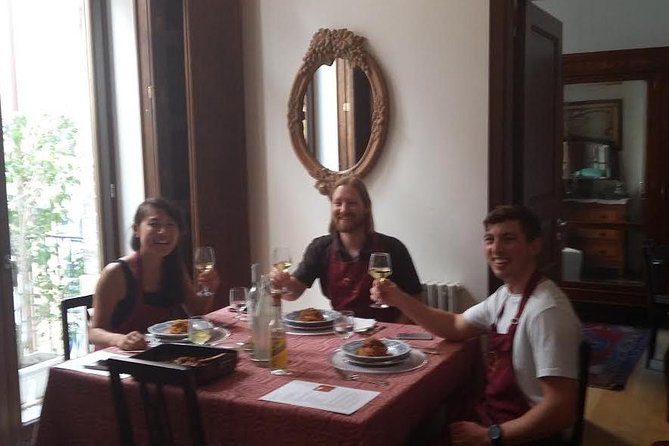
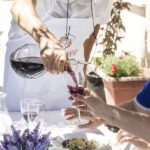
You’ll get a glass of wine while you’re cooking, and you’ll keep tasting as the meal builds. That changes the experience in a good way. It’s slower, more conversational, and it keeps the cooking process from feeling like a checklist. Food tastes better when you’re relaxed enough to pay attention to it.
What the pairing concept really teaches
Even when the wine is just included and not heavily lectured, you learn something practical: Sicilian dishes often mix flavors that can clash if you drink the wrong thing. The pairing helps you understand what works with salty, tangy, and rich elements on the plate.
For example:
- Caponata’s sweet-sour edge benefits from wines that can handle both freshness and depth.
- Pesto trapanese tends to be savory and nutty, so the wine needs to complement that without overpowering the sauce.
Desserts and finishing touches
Sicilian desserts are famous for a reason, and this style of class usually aims for a satisfying finish. Based on what’s been served in recent experiences, you might see options like cannoli or baked ricotta cakes. Sometimes you may even taste a local digestif like limoncello as part of the day’s welcome rhythm.
The point is: you’re tasting a full arc of Sicilian meal culture, not just one course.
What You Learn Beyond Recipes (and Actually Use Later)
A strong cooking class should make you better at cooking even after the tour ends. This one tends to do that because it focuses on technique, ingredient choice, and timing.
Here are the skills that usually stick:
Selecting ingredients like a Sicilian cook
You learn what to pick for quality and flavor. Watching the market process matters because the kitchen becomes a continuation of the shopping decisions.
Working with texture
Caponata is a texture lesson. Pesto is a balance lesson. Pasta sauce is a cling lesson. You don’t just learn ingredients; you learn what each step should feel like.
Cooking with a real pace
You’ll be cooking in a group setting where you can talk while you work. That helps you understand why Sicilian dishes are often comforting but never bland. The pacing makes the class easier to follow.
And the hosting style matters. Instructors like Patrizia are described as warm, patient, and full of energy, with guides such as Giuliana sometimes assisting in the kitchen. That kind of energy helps you ask questions without feeling rushed.
Price and Logistics: Is $229.29 Good Value?
Let’s talk value in plain terms. At $229.29 per person for about 4 hours 30 minutes, you’re paying for:
- a cooking lesson
- a market ingredient shopping component
- lunch or dinner
- wine and food tastings
That package is usually where the value lives. If you tried to DIY it by buying ingredients and then paying for a private kitchen experience, you’d likely spend a lot more for less teaching.
Still, a couple details can affect your real out-of-pocket cost:
- Parking is not included, and you pay it at check-in.
- There’s no hotel pick-up or drop-off, so you’re responsible for getting to the meeting point.
Also, the class is offered in English and capped at 20 travelers. That small group size supports a more hands-on pace, which makes the money feel justified compared with larger, more passive food tours.
One more practical note: this is commonly booked about a month in advance on average. If you’re traveling in peak season, booking early usually makes the most sense.
Who This Class Fits Best in Your Palermo Plan
This experience works for a lot of travelers, but it’s especially good for:
- Couples who want a shared activity that ends with a real meal
- Solo travelers who want conversation and a table to sit at afterward
- Food-focused travelers who like hands-on learning more than walking tours
- Families, especially if the kids can handle a lively kitchen environment
If you have dietary needs, you’re in decent shape because dietary requirements can be accommodated if you tell the operator at booking time. Vegetarian options are also available when requested.
If you hate spending time on your feet, note that you’ll do market walking and a short walk from the market to the home kitchen. It’s not a long hike, but it is movement.
Smart Tips Before You Book
A few practical moves will help you get the most out of the day:
- Bring comfortable shoes for the market and the short walk to the kitchen.
- If you have dietary requirements or want vegetarian, say it at booking. Don’t wait until the day-of.
- Plan to handle your own transport to the meeting point on Via Volturno, 78 (90138 Palermo).
- Expect wine to be part of the flow. If you’re planning other activities later that require full focus, schedule wisely.
Also, if you’re the kind of person who takes notes, do it. The recipes are meant to be repeatable at home, and writing down the flavor adjustments you make during cooking can save you trial-and-error later.
Should You Book This Palermo Sicilian Cooking Class?
If you want a food experience that goes beyond eating and actually teaches you how to recreate Sicilian flavors, this is a strong pick. The market-to-kitchen structure is efficient and meaningful, and dishes like caponata and busiate al pesto trapanese give you real insight into what makes Palermo (and the broader island) taste distinctly Sicilian.
I’d skip it only if you’re looking for a quick, low-effort activity with zero time standing in markets and kitchens. Otherwise, for the price, you’re getting instruction plus a full meal plus wine, and you’re doing it in a home-style setting in the heart of Palermo.
FAQ
What is the duration of the Sicilian cooking class in Palermo?
The class runs about 4 hours 30 minutes.
Where do I meet for the experience?
You’ll meet at Via Volturno, 78, 90138 Palermo PA, Italy. The activity ends back at the meeting point.
Is the class offered in English?
Yes, it is offered in English.
Is lunch or dinner included?
Yes. Lunch or dinner is included, depending on the departure time.
Is wine included?
Yes. Wine and food tasting are included, and wine is served during the cooking.
Is vegetarian food available, and is parking included in the price?
Vegetarian options are available if you request them at booking. Parking fees are not included and must be paid at check-in.
More Palermo Workshops
More Tour Reviews in Palermo


More Palermo Cooking Classes
After something else? More tours and day trips around Palermo and western Sicily






Palermo Cooking Classes & Cannoli Workshops, compared.
 ★ 4.9Pizza and Gelato Cooking Class with Dinner and WineFrom $71951 reviews
 ★ 5.0Palermo’s Delight: Unleash the Secrets of Pizza and Gelato MakingFrom $60497 reviews
 ★ 5.0Sicilian Cooking ClassFrom $118289 reviews
 ★ 4.9Market Tour and Sicilian Cooking Class with LunchFrom $65229 reviews
 ★ 5.0Wanna be Sicilian: Palermo Cooking Class and Market TourFrom $60197 reviews
 ★ 5.0Cooking class in a villa with Palermo viewFrom $139155 reviews
 ★ 5.0Small group Pasta and Tiramisu class in PalermoFrom $163109 reviews
 ★ 5.0Fresh pasta and tiramisù class in PalermoFrom $10296 reviews
Browse the lists this tour appears in