
Reviewed · PALERMO COOKING CLASSES & CANNOLI WORKSHOPS
Palermo: Made of Pasta Masterclass with Tasting
Palermo pasta tastes better when you make it. This small-group masterclass (max 8) is run in a cozy kitchen by Chef Giacomo, with hands-on shaping of classic Sicilian styles and plenty of time to get your dough right. If you add the optional market tour, you’ll pick seasonal ingredients first, then turn them into dinner while learning the why behind every step.
What I really liked: the practical teaching (you learn, then you do), and the meal afterward feels like a proper Sicilian get-together, not a snack disguised as lunch. One possible drawback: the location can be a bit tricky to find the first time, so give yourself extra time to get your bearings.
In This Review
- Key Highlights You’ll Notice Right Away
- Entering a Cozy Palermo Kitchen (Not a Big Cooking Factory)
- The Optional Market Tour: Picking Ingredients Before You Touch the Dough
- Rolling, Kneading, Shaping: How Sicilian Pasta Really Comes Together
- Sauce and Meal Time: Pairings That Make the Work Pay Off
- The Teaching Style: Why This Feels Personal (and Not Stressful)
- Food for Different Diets: Options Without Turning It Into a Compromise
- What You Get to Take Home: Recipes, Certificate, and the Paper Trail for Practice
- Getting There: Palermo Coordinates and the First-Time Find Issue
- Who Should Book This Pasta Masterclass in Palermo?
- Should You Book Palermo Made of Pasta Masterclass with Tasting?
- FAQ
- How long is the Palermo pasta masterclass?
- What is the group size?
- Is there an optional market tour?
- Can the class accommodate vegetarian or gluten-free diets?
- What languages are the instructors?
- What are the cancellation and payment options?
Key Highlights You’ll Notice Right Away
- Small-group, max 8 so you’re not shouting over each other with flour on your hands
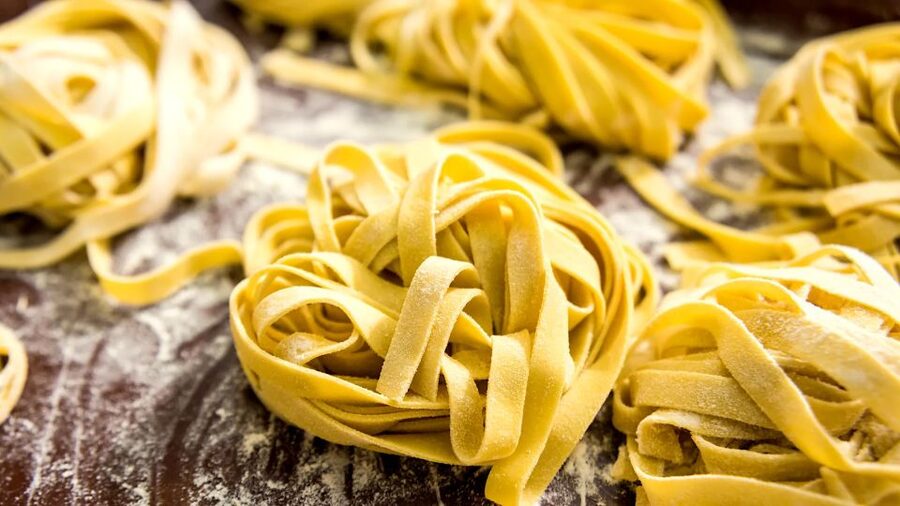
- Hand-rolling and shaping traditional Sicilian pasta styles with real guidance
- Optional market tour to choose seasonal ingredients before you cook
- Multi-course meal with wine or soft drinks, served with what you made
- Take-home goodies: digital recipe booklet, personalised certificate, and an apron
Entering a Cozy Palermo Kitchen (Not a Big Cooking Factory)
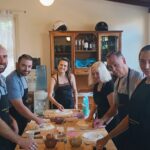
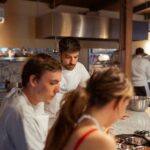
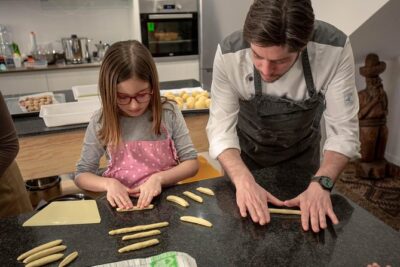
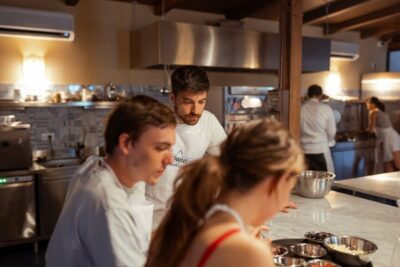
This is the kind of class that feels like someone invited you into their routine. The format is simple: you work at the counter, you knead, you roll, and you shape. It’s hosted in an exclusive location in Palermo, and in practice it can feel very home-kitchen friendly rather than formal classroom-style.
Chef Giacomo (and Claudia, who pops up alongside him in some sessions) keep things warm and funny. The best part is that the vibe supports learning. You’re not just watching someone else perform pasta tricks; you’re doing it, with corrections when your dough is too dry or too sticky.
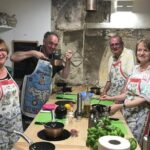
And because it’s limited to 8 people, the teaching doesn’t get lost. You can ask a question and actually get an answer. In a city where food experiences range from quick tastings to long tours, this one fits the sweet spot: hands-on, social, and still relaxed.
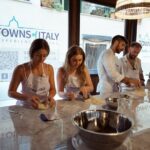
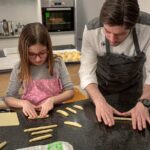
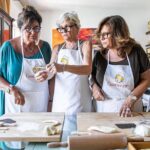
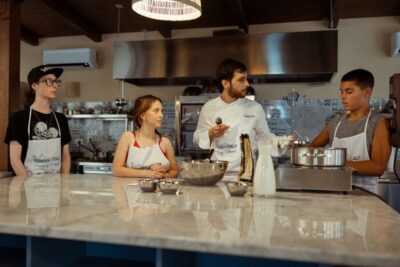
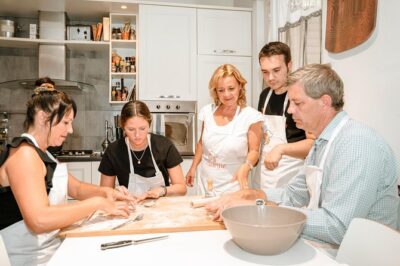
Rolling out fresh pasta and filling cannoli in a Palermo kitchen.
The Optional Market Tour: Picking Ingredients Before You Touch the Dough
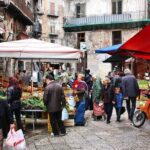
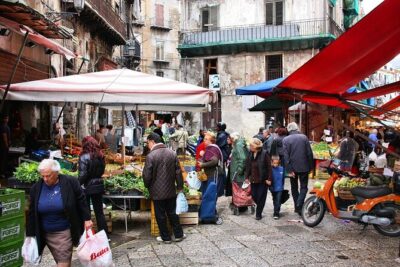
If you choose the market add-on, you get a smart head start. You’re not just buying random groceries at the last second—you’re learning what seasonal ingredients mean in Sicilian cooking. Seeing produce up close also helps you connect flavor to technique later, because you’ll be using what you picked.
Here’s the practical payoff: when you’re rolling and shaping fresh dough, you want the sauce to match that effort. The market component sets you up to build sauces with local produce instead of relying on canned shortcuts.
One note for your planning: the class runs 3 hours total, so the market option can make the experience feel fuller and more structured. If you love food shopping and want the story behind the meal, it’s worth it. If you’re already exhausted from Palermo walking, you might skip it and go straight to the pasta part.
Rolling, Kneading, Shaping: How Sicilian Pasta Really Comes Together
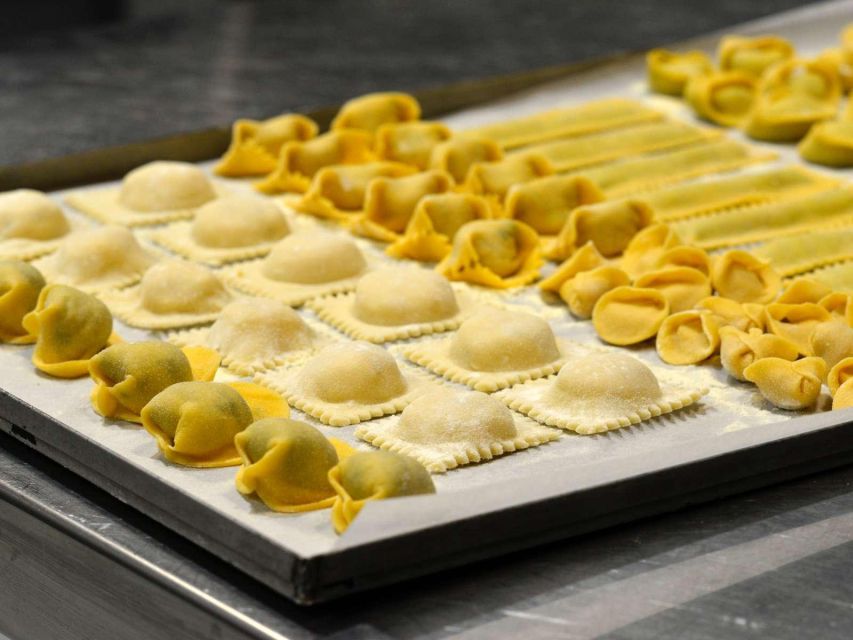
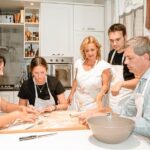
This is where the experience gets real. You’ll mix and knead the dough, learn how to roll it, and shape it into traditional Sicilian styles. The teaching approach is very clear: the chef demonstrates, then you take over.
The key skills you’re practicing are basic but not automatic. Dough hydration matters. Rolling thickness matters. And shaping isn’t just for looks—it affects how sauces cling.
In the sessions I’m drawing from, the class often includes more than one pasta form and tends to include complementary sauces too. Some people also report extra Sicilian items beyond pasta, like arancini and cannoli. That makes sense in a Sicilian home-style meal: pasta is the center, but it doesn’t have to be the only star.
Also, be ready for texture feedback. When your dough is right, it feels smooth and elastic. When it’s off, it tears, sticks, or refuses to roll evenly. That’s not a problem—it’s the lesson. With a small group, you can fix it before you ruin the whole batch.
Sauce and Meal Time: Pairings That Make the Work Pay Off
After you shape and cook, you sit down and eat what you made. The experience is built around a multi-course meal, with local wines or soft drinks paired to the food. This matters more than it sounds. When you’ve spent time making dough and shaping pasta, the meal doesn’t feel like a separate event. It feels like the finish line.
What makes this class especially satisfying is the quantity and generosity. Some sessions are described as having lots of antipasti and generous pours. If wine is your thing, you’ll likely enjoy the pairing as part of the rhythm of the meal rather than a random add-on.
Also, pay attention to the sauces you make. Sicilian cooking often leans on strong, simple flavors—seasonal produce, herbs, and methods that keep the sauce from drowning the pasta. When you build the sauce yourself, you’ll understand why the chef pushed you toward certain dough textures and cooking times.
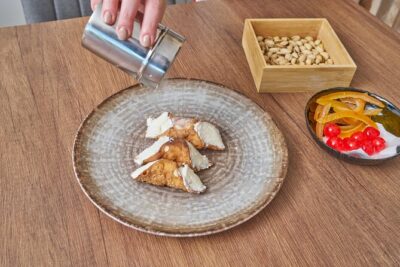
And yes, desserts show up. Cannoli comes up repeatedly in the feedback, and that fits the overall structure: work hard, then get rewarded with a proper Sicilian finish.
The Teaching Style: Why This Feels Personal (and Not Stressful)
A lot of cooking classes tell you it’s small-group. This one actually acts small.
The chef’s role is equal parts teacher and host. He explains ingredients and steps in a way that sticks, then checks your technique as you go. Multiple comments mention how patient the process is—especially for people who aren’t confident in the kitchen. You’re not expected to already know how to make pasta.
The teaching can also adapt. Some people note that the chef tailored the class toward what they wanted to learn. That flexibility is useful because not everyone wants the same outcome. Some want classic shapes. Others want confidence with dough handling.
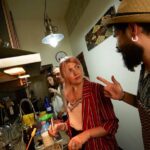
And the social side matters, too. A few accounts describe the evening as lively: jokes, music, and an overall party-like energy. In at least one session, the chef’s dog Peggy even joined in the atmosphere. That kind of warmth can turn an intimidating skill into something you actually look forward to practicing later.
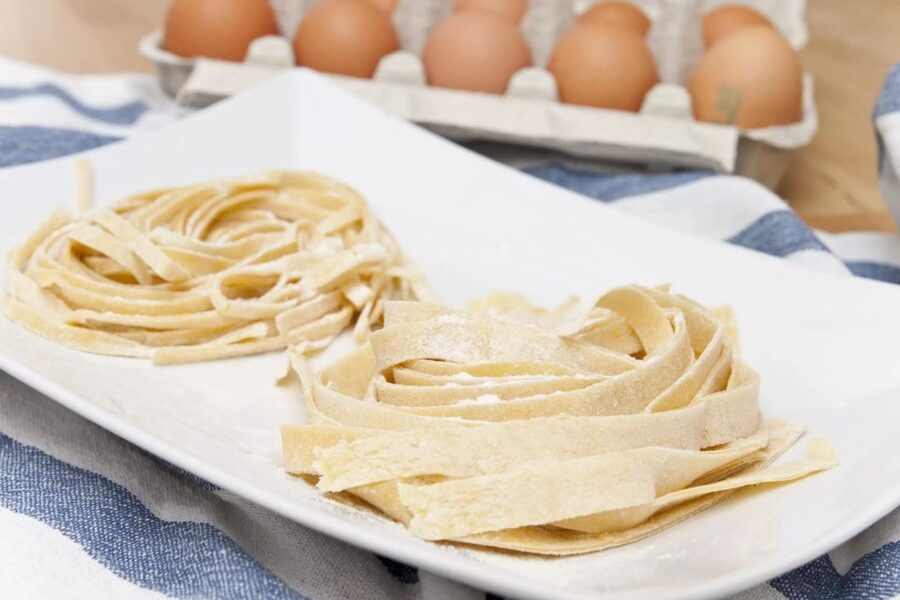
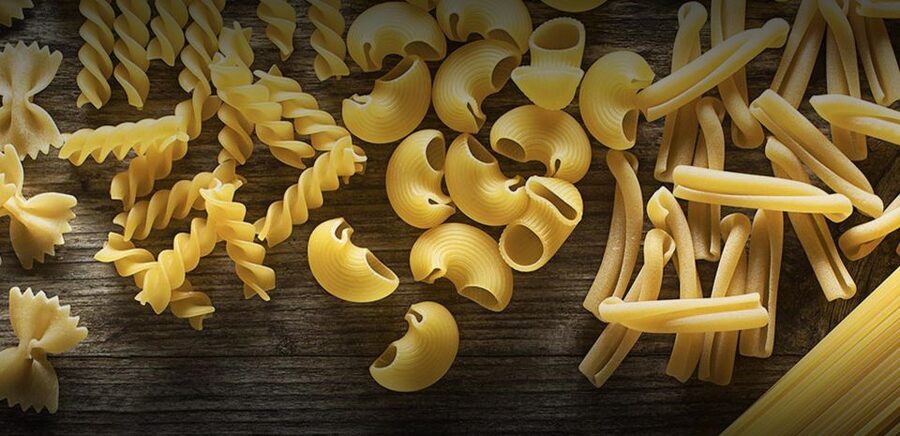
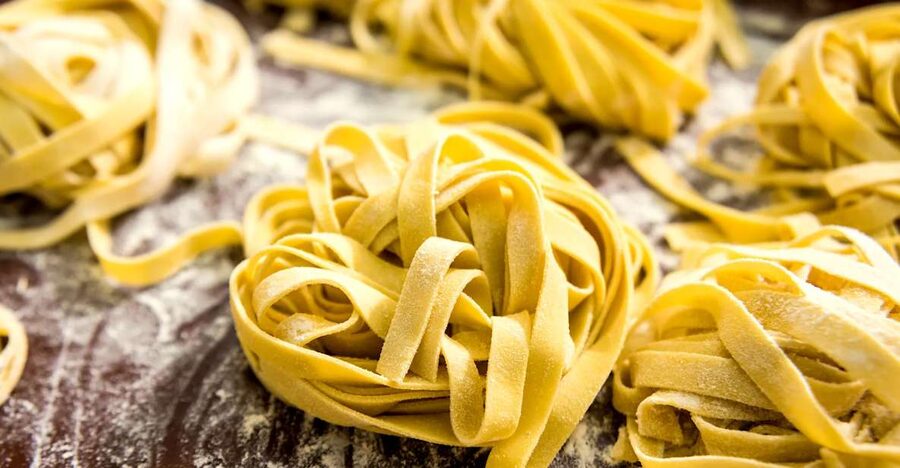
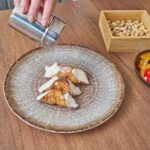
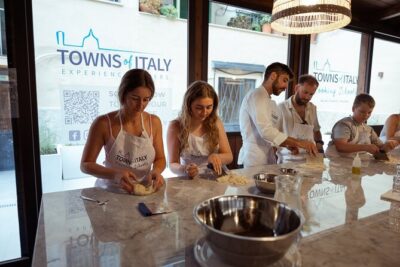
More pasta to make and eat in Palermo.
Food for Different Diets: Options Without Turning It Into a Compromise
You can request vegetarian or gluten-free options. That’s important in a pasta class, because “we can’t” is usually the easiest answer.
What I like about having these options is that it keeps the core experience intact: you still learn the process and you still get to eat what you made. You’re not reduced to a sad side dish.
If you have dietary needs, plan to communicate them when booking. The class is set up to accommodate, but you’ll have the best result when the chef knows your requirements ahead of time.
What You Get to Take Home: Recipes, Certificate, and the Paper Trail for Practice
This is one of those experiences that doesn’t vanish the moment you step back outside.
You receive a digital recipe booklet, plus a personalised certificate and an apron. You can also get a recipe notebook to write down what you’re learning, which is handy if you forget details in the rush of the moment.
The real take-home value is that you’re not just taking home dinner—you’re taking home instructions you can use again. Fresh pasta is one of those skills where a few key cues make all the difference. Having recipes and a record of what worked helps you repeat the process at home without guessing.
If you like cooking as a hobby, this class nudges you toward getting a pasta machine later—or at least toward making the dough confidently by hand. That sense of capability is one of the most common reasons people call it a highlight.
Getting There: Palermo Coordinates and the First-Time Find Issue
Meeting point is at a specific exclusive location with these coordinates: 38.12432098388672, 13.319498062133789. With something this small and local, it helps to arrive a little early.
One review notes it’s about a 45-minute walk from the train station. If walking isn’t your thing, taxis are an easy backup. Another point: the place can be hard to locate at first, but the chef helps when people get turned around.
So my practical advice: don’t schedule it as the last stop of the day. Give yourself buffer time, especially if you’re arriving in the evening. Palermo streets can be charming and confusing in the same breath.
Who Should Book This Pasta Masterclass in Palermo?
This is ideal if you want a hands-on food experience that feels more like learning from a Sicilian host than doing a checklist of sights.
It’s a great pick for:
- Couples who want a memorable shared activity and a meal afterward
- Food lovers who care about technique, not just taste
- Families too, since people have done it with kids (including teenagers) and found it fun, not overly formal
- Anyone who values small-group attention and wants to actually practice
If you hate getting your hands messy, or you’re only interested in quick tasting without cooking, you might find this too active. But if you enjoy the process—rolling, shaping, fixing mistakes—this is exactly the right kind of evening.
Also, if you’re the type who likes carrying home something useful (recipes, a certificate, a fresh skill), you’ll probably feel satisfied rather than just entertained.
Should You Book Palermo Made of Pasta Masterclass with Tasting?
I think you should book if your Palermo plan has room for one experience that blends skill-building with real food. The max 8-person format, the hands-on pasta making, and the way the meal follows your work make it feel cohesive. Add the optional market tour if you want a stronger connection between ingredient choice and what ends up on your plate.
Skip it only if you’re short on time, dislike cooking, or want a purely spectator experience. Otherwise, this is one of the better ways to spend a few hours in Palermo without standing in line or rushing through something that deserves your full attention.
FAQ
How long is the Palermo pasta masterclass?
The experience lasts about 3 hours.
What is the group size?
It’s a small-group class with a maximum of 8 guests.
Is there an optional market tour?
Yes. You can choose to add an optional market tour to select fresh seasonal ingredients before cooking.
Can the class accommodate vegetarian or gluten-free diets?
Yes. Vegetarian and gluten-free options are available on request.
What languages are the instructors?
The instructor can teach in English, Italian, German, Spanish, and French.
What are the cancellation and payment options?
You can cancel up to 24 hours in advance for a full refund. There’s also a reserve now and pay later option, so you can book without paying immediately.
More Palermo Pasta Classes
More Tour Reviews in Palermo

More Palermo Cooking Classes
After something else? More tours and day trips around Palermo and western Sicily




Palermo Cooking Classes & Cannoli Workshops, compared.
 ★ 4.9Pizza and Gelato Cooking Class with Dinner and WineFrom $71951 reviews
 ★ 5.0Palermo’s Delight: Unleash the Secrets of Pizza and Gelato MakingFrom $60497 reviews
 ★ 5.0Sicilian Cooking ClassFrom $118289 reviews
 ★ 4.9Market Tour and Sicilian Cooking Class with LunchFrom $65229 reviews
 ★ 5.0Wanna be Sicilian: Palermo Cooking Class and Market TourFrom $60197 reviews
 ★ 5.0Cooking class in a villa with Palermo viewFrom $139155 reviews
 ★ 5.0Small group Pasta and Tiramisu class in PalermoFrom $163109 reviews
 ★ 5.0Fresh pasta and tiramisù class in PalermoFrom $10296 reviews
Browse the lists this tour appears in