
Reviewed · PALERMO STREET FOOD & MARKET TOURS
Palermo: Half-Day Cooking Class & Market Tour
Palermo can be noisy, but this cooking class slows everything down fast. You meet by the Capo Market gate at Porta Carini, shop for seasonal ingredients, then cook a full Sicilian lunch with a real chef in a small group.
I especially love the built-in pacing: market first, then the kitchen. You see what you’re buying, then you learn how to turn it into classic dishes. The second thing I like is the hands-on approach—simple, step-by-step guidance without making you feel rushed.
One thing to think about: the experience is not set up for everyone’s body or comfort level, since it is not suitable for people with mobility impairments and you’ll be walking around a lively market area in comfortable shoes.
In This Review
- Key Takeaways Before You Go
- Porta Carini Meets the Capo Market: Your Day Starts With Real Food
- How the Chef Shopping Trip Works (and Why It Changes the Cooking)
- Cooking Four Sicilian Courses: Starter, Pasta, Second, Caponata, and Cake
- Course by Course: What You’ll Be Making
- Hands-On Without the Pressure
- The Caponata Lesson: Why Sicily Loves Sweet-Salty Complexity
- Sicilian Wine Pairing: How Your Meal Becomes a Story
- Meeting Patrizia (and Giuliana): What Makes the Class Feel Personal
- Where the Money Goes: Is the $203.91 Price Fair?
- Timing, Walking, and What to Pack for a Smooth Half-Day
- Who This Class Is Best For (and Who Might Want Something Else)
- Should You Book This Palermo Half-Day Cooking Class?
- FAQ
- How long is the Palermo half-day cooking class?
- Where do I meet for the class?
- What’s the group size?
- What dishes will we cook?
- Are vegetarian or gluten-free menus available?
- Are drinks included?
- Is drop-off included?
- What languages are offered?
- Is this class suitable for people with mobility impairments?
Key Takeaways Before You Go
- Porta Carini start, Capo Market energy: meet at the Capo gate, then go straight into shopping mode.
- Small group size (up to 8 people): you get real attention while cooking.
- Four-course Sicilian menu: starter, pasta (primo), a fish or meat second, caponata, and a Sicilian cake.
- Wine pairing built into the meal: Sicilian wines are chosen to go with your courses.
- Cultural walk back through ancient and Baroque Palermo: the route is part of the day, not just a transfer.
- Vegetarian and gluten-free menus available: ask in advance so the cooking stays relaxed for everyone.
Porta Carini Meets the Capo Market: Your Day Starts With Real Food
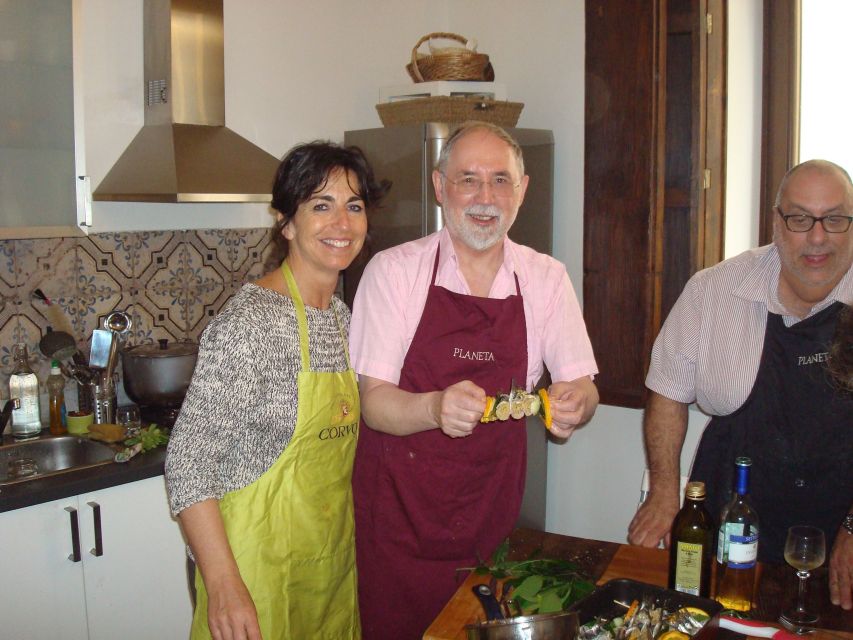
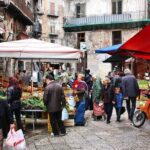
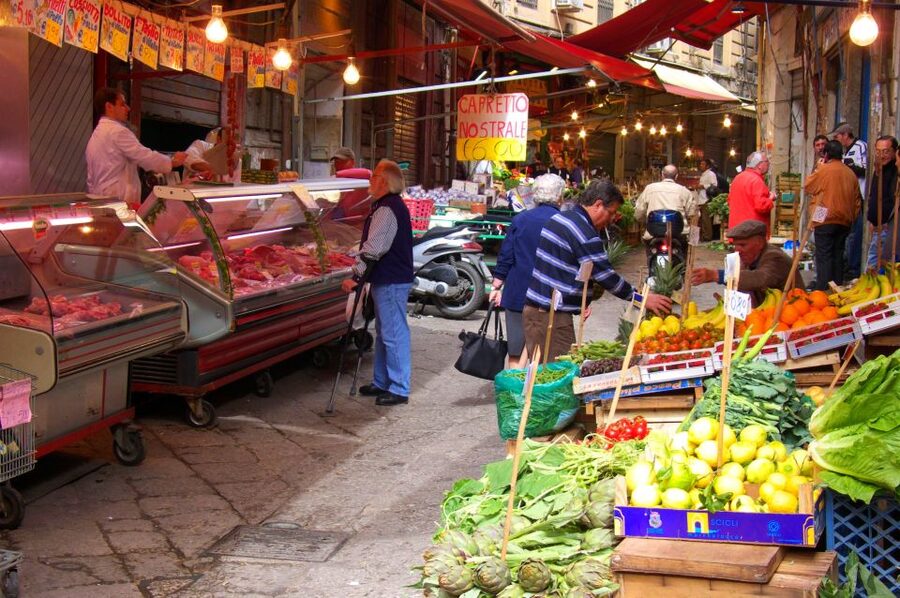
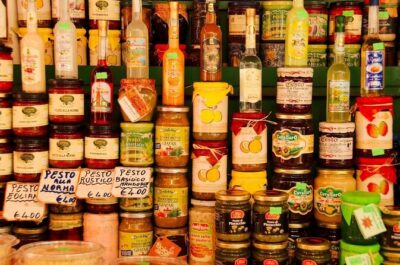
This is the kind of Palermo experience that teaches by doing. You start at Porta Carini, the entrance gate to the Capo Market, which is a smart move because it puts you right where people shop and snack. Instead of just looking, you’re shopping with a chef’s eyes: what’s in season, what looks best today, and what ingredients actually matter for Sicilian flavor.
From the start, you’ll get a guide/chef who can explain the food through the culture. I like this format because it turns the market from a photo stop into a practical lesson. And since the group is limited to no more than 8 people, you’re not stuck behind bigger crowds or waiting your turn to ask questions.
One practical note: market time is walking time. Wear comfortable shoes and expect uneven sidewalks and close quarters. If you’re easily overwhelmed by noise and people, give yourself a quick mental warm-up before you meet your chef.
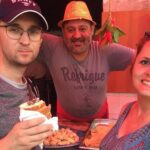
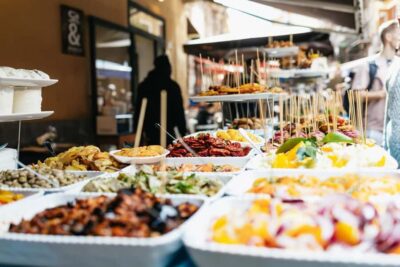
Back into Ballaro and the Vucciria for arancine, panelle and sfincione.
How the Chef Shopping Trip Works (and Why It Changes the Cooking)
After you meet, the group heads into the market area (often Capo and sometimes nearby Vucciria depending on what’s available and how the day flows). Your chef helps you buy the ingredients you’ll use later, so nothing feels random. This is where the class earns its value.
A few things this shopping part tends to include:
- learning how to spot quality for what you’re cooking
- picking items for the day’s recipes (including seasonal produce)
- tasting or sampling local products along the way, so you understand the flavors before you cook them
I also like that you don’t just follow instructions. You can participate as much or as little as you want. Some people prefer asking questions; others want to handle the ingredients. Either way, you come away with a clearer sense of how Sicilians build flavor at home.
And yes, there’s a payoff: when you later chop, stir, and cook, your brain remembers the market logic. That makes the recipes easier to repeat later.
Cooking Four Sicilian Courses: Starter, Pasta, Second, Caponata, and Cake
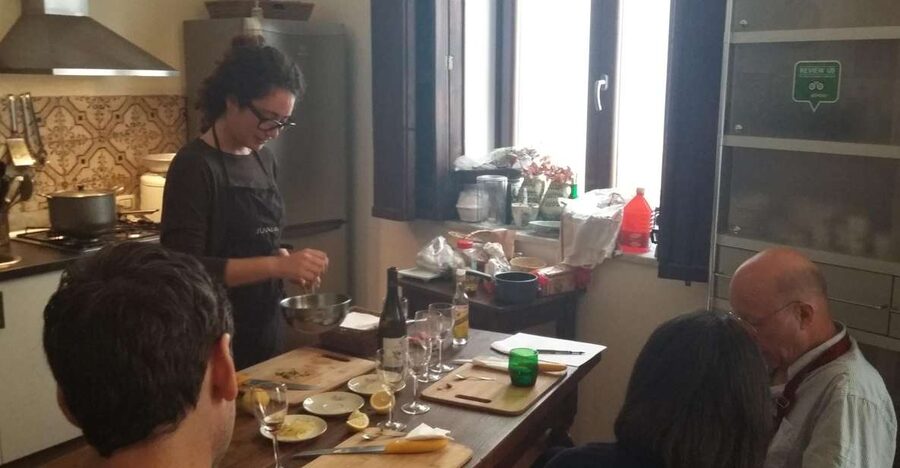
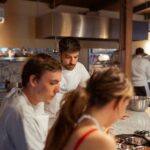
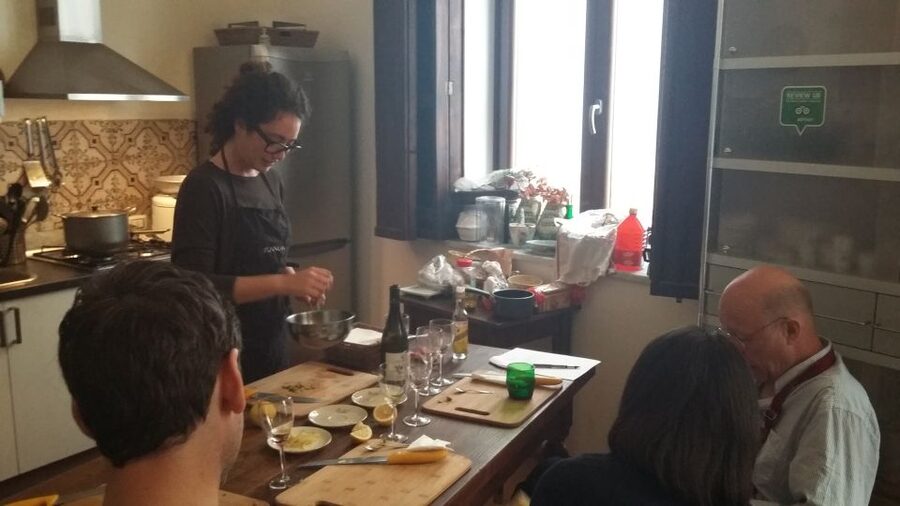
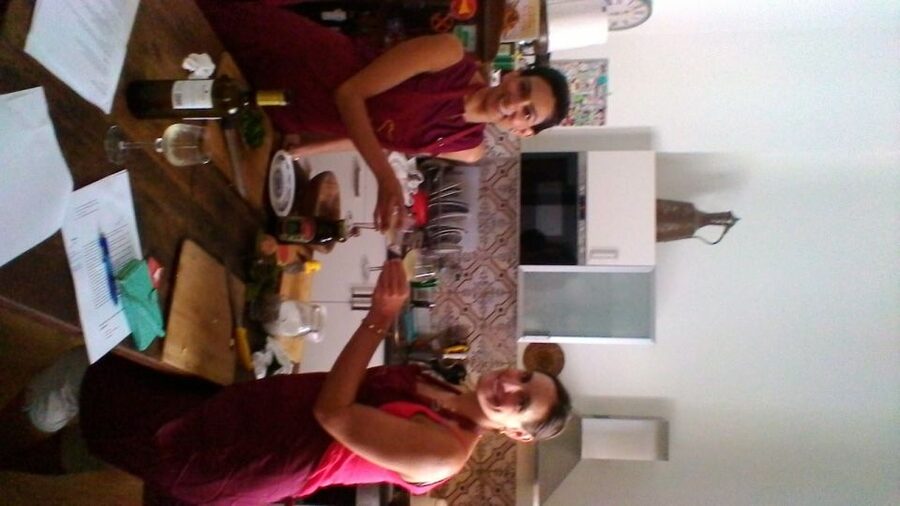
Once you’re back at the kitchen apartment, the tone changes from market chaos to comfortable work. The chef guides you through each course, and the pace stays friendly—like you’re cooking lunch with someone who really cares how it turns out.
Course by Course: What You’ll Be Making
You’ll cook four courses in the traditional order:
- Starter (a first plate to kick things off)
- Primo (pasta): you’ll make a pasta dish as your first main
- Second: this includes fish or meat, depending on what’s planned for the day
- Caponata: a signature Sicilian vegetable stew salad featuring eggplants, celery, green olives, and capers
- Typical Sicilian cake: dessert rounds out the meal
What makes this menu smart is balance. You’re not only cooking one style of dish; you’re moving across textures (vegetables, pasta, and a cooked main), and then ending with something sweet that feels like it belongs in the same lunch tradition.
Hands-On Without the Pressure
The class style is described as casual and flexible in a good way. You can jump in and cook, or step back to watch and learn. That matters because cooking classes can sometimes turn into a frantic assembly line. Here, the emphasis stays on understanding each step—what you’re doing and why the ingredients behave the way they do.
If you’re the type who likes to taste as you cook, this works well. If you want deeper technical tips and more time on technique, you might find the structure a bit “friendly-paced” rather than heavy on advanced instruction—but the overall experience still scores high for clarity and warmth.
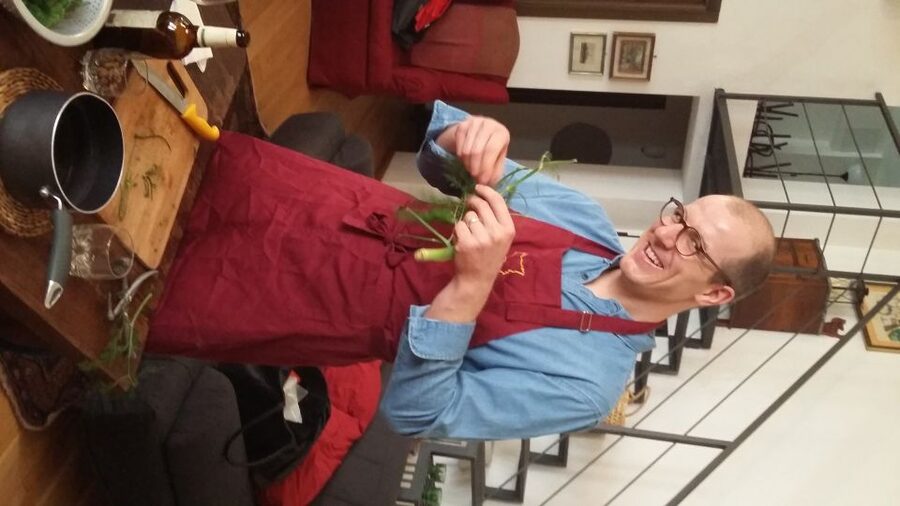
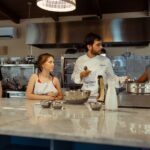
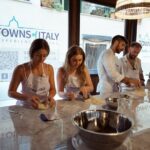
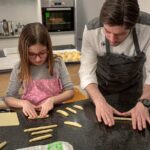
Rolling out fresh pasta and filling cannoli in a Palermo kitchen.
The Caponata Lesson: Why Sicily Loves Sweet-Salty Complexity
Caponata is one of those dishes that sounds simple until you taste it. The combination of eggplant with celery, green olives, and capers creates that sweet-salty tang that Sicilians love. It’s not just a vegetable dish; it’s a flavor lesson.
In class, caponata also acts like a bridge between the courses. It brings the sharp, briny note from olives and capers, then rounds it out with the softer flavors from cooked eggplant. Even if you’ve had caponata before, cooking it yourself helps you understand how it comes together.
It’s also a dish you can bring home. If you want one recipe from Palermo that travels well to your own kitchen, caponata is often the one you’ll repeat.
Sicilian Wine Pairing: How Your Meal Becomes a Story
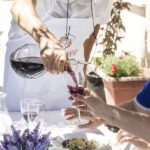
Food tastes better when the wine has a purpose. This class includes Sicilian wine tasting, with wines selected to pair with your courses. That means you’re not just drinking to drink—you’re tasting alongside what’s on your plate.
In some sessions, people note a glass of Nero d’Avola, which is a classic Sicilian red. Others also mention house-style touches like homemade limoncello during the cooking phase. You should think of these as examples of what may be served rather than a guaranteed script, but the point is clear: the wine part is meant to fit the meal.
If you care about learning the basics of pairing, this is a relaxed way to do it. You’ll get details about the wines and production in a way that doesn’t feel like a lecture.
Meeting Patrizia (and Giuliana): What Makes the Class Feel Personal
This experience is strongly tied to the chef-host energy. Many participants highlight Patrizia for her warmth, patience, and step-by-step teaching. Her daughter Giuliana also shows up in the review stories with a friendly, local feel.
That matters because a good cooking class isn’t only recipes—it’s comfort. I like when an instructor makes the kitchen feel like a home, not a classroom. Here, the vibe is consistently described as welcoming, with time to chat, ask questions, and taste.
If you’re a beginner, that approach helps. If you cook confidently already, the market-shopping context and the Sicilian order of courses still make it feel worth your time.
Where the Money Goes: Is the $203.91 Price Fair?
At $203.91 per person for a half-day (about 4 hours), you’re paying for more than a meal. You’re paying for:
- the guided market ingredient hunt
- the ingredients themselves
- instruction and supervision in the kitchen
- lunch with wine tasting
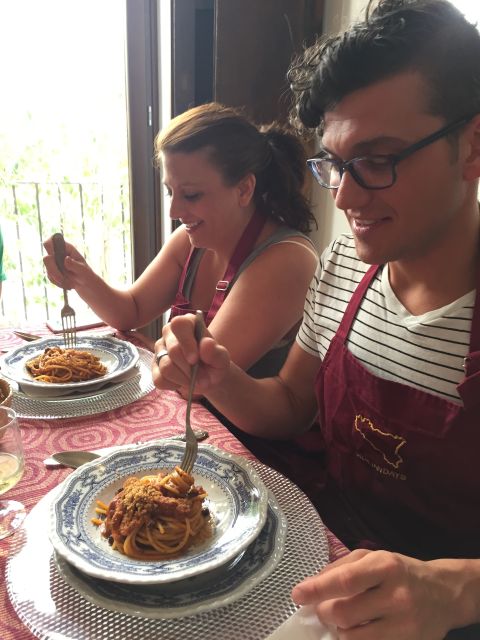
The value comes from the full loop: buy the food, cook the food, then eat it with pairing. Many food experiences give you one piece of that. This one stitches the pieces together.
Also, the small group size (up to 8) matters. When you can actually talk to the chef and get help during cooking, the experience feels more like a private lunch party than a mass activity.
Timing, Walking, and What to Pack for a Smooth Half-Day
You’ll want to plan the day around a short but active window—about 4 hours—starting at Porta Carini. The activity ends back at the same meeting point, so you’re not forced into a complicated route through the city.
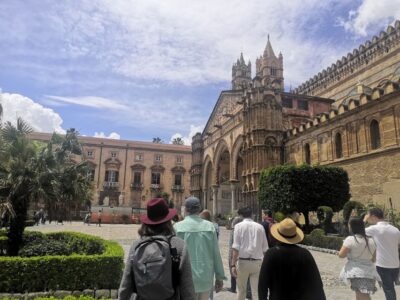
Along the way back from the market to the house, you’ll take in views of ancient and Baroque Palermo. That means the walk isn’t wasted, but it also means you’ll be moving through real streets.
Bring:
- comfortable shoes (seriously)
- a light layer if you’ll be out during cooler evening air or shade changes
Not allowed:
- smoking
And if you have dietary needs, vegetarian and gluten-free menus are available—ask ahead so the chef can plan substitutions without rushing you.
Who This Class Is Best For (and Who Might Want Something Else)
This Palermo cooking class is a great fit if you want:
- a practical introduction to Sicilian flavors
- a market-to-kitchen day that teaches you the logic behind the food
- small-group attention and a friendly host vibe
It’s also a solid choice for people traveling as a couple, small family group, or solo traveler who wants a social experience without losing control of the day.
It may be less ideal if:
- you have mobility limits and can’t manage uneven market streets or kitchen movement, since it is not suitable for people with mobility impairments
- you’re looking for a long, highly technical cooking bootcamp with lots of advanced technique drilling (this is more warm instruction than serious culinary training)
Should You Book This Palermo Half-Day Cooking Class?
I’d book it if you want a true Sicilian day that combines market culture, cooking skills you can repeat, and wine that actually matches your food. The small group size, the chef-led attention, and the full course meal make it feel like a complete experience rather than a rushed demo.
If you want something very low-key with minimal walking, you may want to choose a different activity. But if you can handle a short market walk and you’re excited to cook, this is one of the best ways to understand Palermo by tasting it—and then taking that knowledge home.
FAQ
How long is the Palermo half-day cooking class?
It lasts about 4 hours. Starting times can vary, so you’ll want to check availability for the time that works best for your day.
Where do I meet for the class?
You meet by Porta Carini, the entrance gate to the Capo Market, and the activity ends back at the meeting point.
What’s the group size?
The class is run in a small group of no more than 8 people.
What dishes will we cook?
You’ll cook a starter, a pasta course (primo), a second course that includes fish or meat, caponata, and a typical Sicilian cake.
Are vegetarian or gluten-free menus available?
Yes. Vegetarian and gluten-free menus are available.
Are drinks included?
Yes. Lunch includes Sicilian wine tasting, with Sicilian wines selected to pair with the courses.
Is drop-off included?
Drop-off isn’t included, but it may be available upon request.
What languages are offered?
The live guide is available in English, Italian, and French.
Is this class suitable for people with mobility impairments?
No. It is not suitable for people with mobility impairments.
If you want, tell me your travel dates and whether you’re vegetarian or gluten-free, and I’ll help you choose the best time slot and what to pair this with in Palermo the rest of the day.
More Tour Reviews in Palermo


More Palermo Cooking Classes
More Palermo Street Food and Market Walks
After something else? More tours and day trips around Palermo and western Sicily






Palermo Street Food & Market Tours, compared.
 ★ 5.0Palermo Original Street Food Walking Tour by StreatyFrom $832,105 reviews
 ★ 4.9Street Food and History Walking TourFrom $541,294 reviews
 ★ 4.9Street Food Walking Tour with Local Guide & TastingFrom $52632 reviews
 ★ 5.0Palermo Walking Tour and Street FoodFrom $48617 reviews
 ★ 4.8Small Group Night Street Food TourFrom $81589 reviews
 ★ 4.9Street Food and Local Market Tasting TourFrom $81540 reviews
 ★ 4.9Street Food Walking Tour at SunsetFrom $52492 reviews
 ★ 5.0Night Street Food Tour of Palermo with a Local -For real foodies!From $83486 reviews
Browse the lists this tour appears in