
Reviewed · PALERMO COOKING CLASSES & CANNOLI WORKSHOPS
Palermo: Authentic Italian Cooking Class
Sicilian cooking starts at a real Palermo home. This 3-hour class is all about hands-on practice in an in-home setting, guided by an expert chef and built around fresh local ingredients. I especially like the way the session turns a Sicilian meal into skills you can repeat later, not just a one-time experience.
Two other things I like: you get personal instruction in your chosen language, and the chef actively helps you understand what to do and why. One consideration: since it can start either in-home or at an in-place meeting, you’ll want to double-check what you’re booked for so you’re not hunting around Palermo right at class time.
In This Review
- Key things to know before you cook in Palermo
- Palermo’s Cooking Class Is About Skill, Not Theater
- When You Arrive: Meet Your Chef and Get Assigned to the Work
- The Ingredient Part: Why Local Sourcing Changes Everything
- Cooking the Sicilian Classics: Learn the Method as You Go
- The Chef’s Stories and Culture Notes You Can Actually Use
- The End of Class: Taste What You Made, Then Take the Recipes Home
- Price and Value: Is 3 Hours for $101.96 a Good Deal?
- Language, Comfort, and Practical Fit for Different Cooks
- Meeting Point Basics: In-Home vs In-Place Starts
- Should You Book This Palermo Cooking Class?
- FAQ
- How long is the Palermo cooking class?
- Where does the class meet?
- What’s included in the price?
- What languages are available for the instructor?
- Is the experience wheelchair accessible?
- What are your booking and cancellation options?
Key things to know before you cook in Palermo
- In-home format in Palermo: You cook in a real home setup, not a big show-kitchen.
- Expert chef guidance: You get step-by-step help while you’re actually doing the work.
- Fresh local ingredients: The class uses ingredients sourced locally for the dishes you make.
- Multi-language teaching: Italian, English, Spanish, German, French are available.
- Chef recommendations: Hosts like Giacomo often share good ideas for more food and sights in Sicily.
- Recipes included: You take instructions home, so your next pasta night has a plan.
Palermo’s Cooking Class Is About Skill, Not Theater
Palermo is a great place to learn food because Sicilian cooking is practical. It’s not about fancy tricks. It’s about good ingredients, smart timing, and knowing how flavors fit together. That’s exactly what I like about this class: it feels like a lesson you can use in your own kitchen.
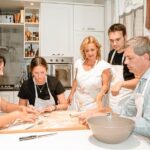
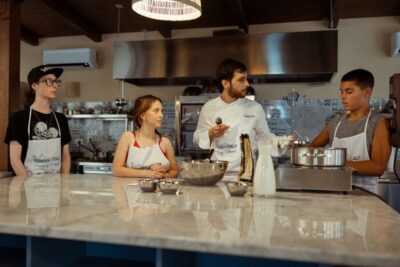
The experience is set up as a hands-on session in Palermo, typically in an in-home setting. You’ll work with fresh, locally sourced ingredients and follow what your chef teaches. At the end, you eat what you made, plus you receive recipes so you can recreate the dishes later.
The other big plus is the host dynamic. In one standout story, chef Giacomo kept things clear and made it easy to join in as much or as little as you wanted. And another host example that comes up often is Natascia, who shared her home and helped make the whole thing feel warm and personal. Even without those exact details in every booking, the overall tone is consistent: you’re not stuck watching. You’re cooking.
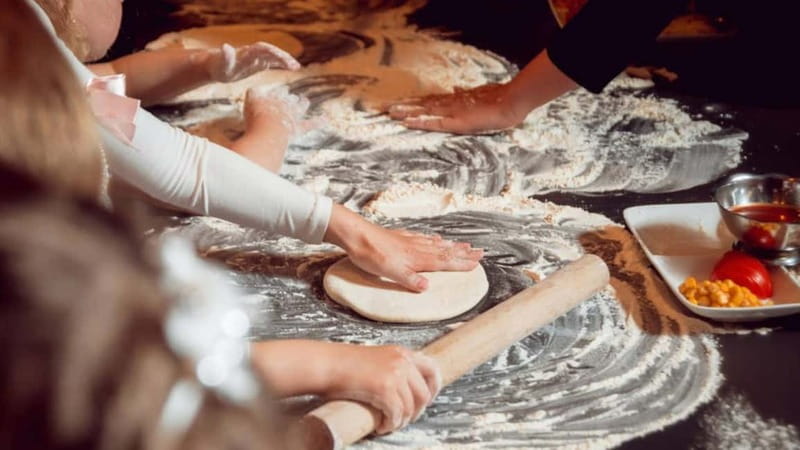
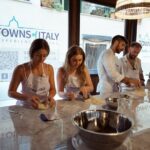
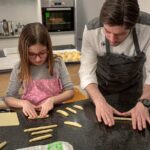
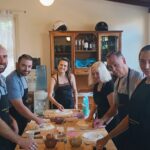
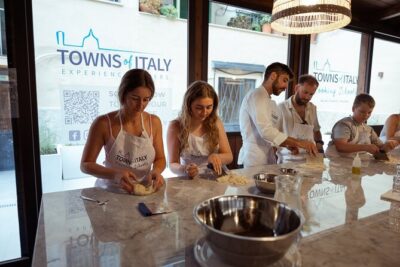
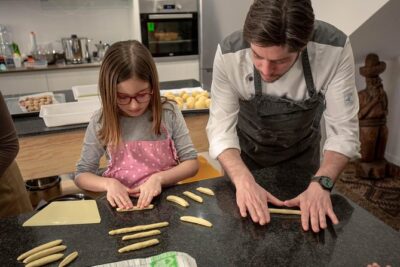
Rolling out fresh pasta and filling cannoli in a Palermo kitchen.
When You Arrive: Meet Your Chef and Get Assigned to the Work
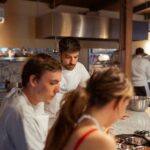
You’re not walking into a lecture. You’re joining a working kitchen. The class runs for about 3 hours, and the format is hands-on from the start.
Before you start cooking, you’ll meet your chef and get oriented. That matters more than it sounds. When people jump into cooking without a plan, they waste time figuring out basic steps. Here, you can expect the chef to guide the process so you know what your next task is. That helps you keep momentum, especially if you’re a beginner.
You’ll also have language support. The instructor can teach in Italian, English, Spanish, German, or French. For me, this is one of those value points that’s easy to overlook. Clear instructions in a language you understand can be the difference between cooking with confidence and cooking with guesswork.
The Ingredient Part: Why Local Sourcing Changes Everything
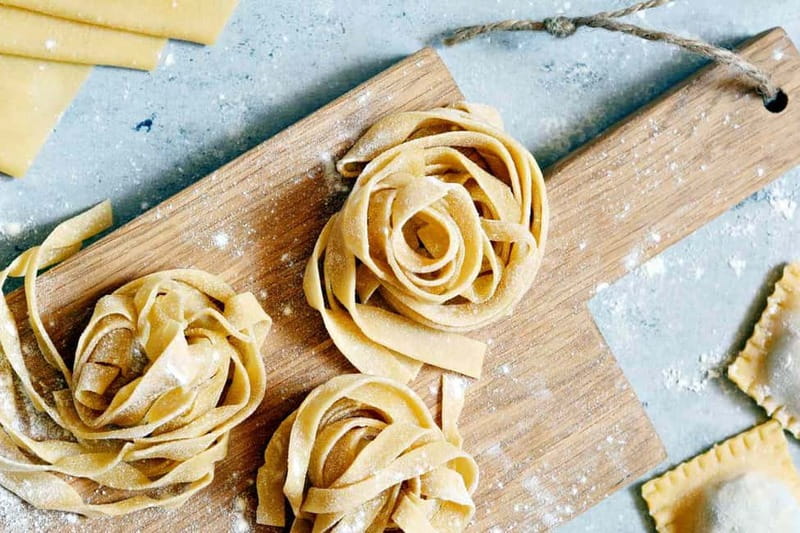
One of the best things about Sicilian food is how much it relies on straightforward ingredients. Fresh produce, quality staples, and strong local flavors do the heavy lifting. In this class, the ingredients are described as fresh and locally sourced, and that affects your cooking in two ways.
First, it makes the dishes taste like themselves. Second, it teaches you what to look for next time you shop. Even if your kitchen isn’t in Palermo, you can still shop with the same logic: choose good, fresh items; don’t fight the ingredient; use what works.
If you’re thinking, I cook at home but I don’t always know which ingredient matters most, this is where the class pays off. You’ll learn techniques tied to the flavors, not just steps. That’s how you end up with recipes you can adapt rather than copy word-for-word.
Cooking the Sicilian Classics: Learn the Method as You Go
The class is built around traditional Sicilian dishes and classic techniques you can recreate at home. You’ll prepare a variety of foods using the ingredients provided, and the chef will guide you through the whole cooking process.
Because it’s hands-on, you’ll likely touch multiple parts of the workflow. That could mean chopping, assembling, cooking, and tasting as you go. The exact menu isn’t listed here, so I won’t guess, but the structure is consistent: you’re learning the method through repetition. You do tasks, you get corrections, and you build confidence as the session continues.
What I like most is that the chef doesn’t treat you like an audience. In one account, Giacomo made it possible to participate as much or as little as you wanted. That flexibility is smart for real life. Not everyone wants to do every step, and you shouldn’t be forced into it.
Also, the chef usually explains the process and the choices behind it. In at least one story, the host walked through everything from start to finish and answered questions freely. That’s what turns cooking from a chore into a skill.
The Chef’s Stories and Culture Notes You Can Actually Use
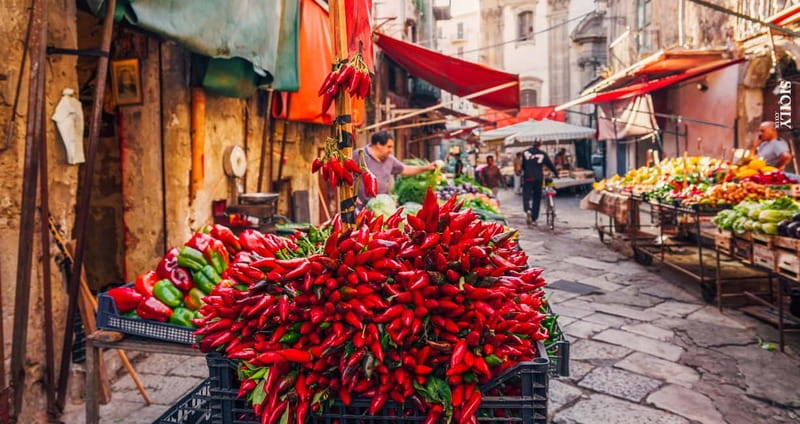
A cooking class can turn into random food talk if the guide isn’t focused. Here, the class includes insights into local cuisine and culture, shared as anecdotes and practical context while you cook.
That matters because Sicilian food isn’t just ingredients. It’s also habits: how people think about meals, how they balance flavors, and how cooking fits into daily life in Palermo. You’ll get a glimpse into local food culture through what your chef shares while you’re working.
And you may get specific “next steps” beyond the kitchen. Giacomo, for example, was described as suggesting places to go for more great food and things to visit while in Sicily. That kind of guidance is useful because it helps you keep your trip food-centered without wasting time on random picks.
More hands-on Palermo experiences to try.
The End of Class: Taste What You Made, Then Take the Recipes Home
The class ends with tasting your creations. That’s the payoff: you don’t just learn how to cook, you eat the result while it’s fresh and at its best.
You also receive recipes. This is a big part of the value. A lot of cooking classes teach you the moment but give you nothing usable afterward. Recipes mean you can repeat the dishes, refresh your memory, and cook again when your ingredients are easier to find at home.
If you want to impress friends later, recipes plus hands-on method is the right combination. You’ll know what the dish is supposed to feel like, not just what it looks like.
Price and Value: Is 3 Hours for $101.96 a Good Deal?
At $101.96 per person for a 3-hour session, the price lands in the “pay for a real experience” category. What makes it feel reasonable is what’s included.
You’re not only paying for a chef’s time. You’re also getting:
- A hands-on cooking class
- The chef
- Fresh, locally sourced ingredients
- Recipes
When you tally that up, you’re essentially covering instruction, ingredients, and the take-home materials to recreate the results. That’s better value than a paid workshop where you might bring your own ingredients or leave without a usable recipe plan.
Also, in-home settings reduce the “travel and overhead” you might face in larger venues. The tradeoff is that you’ll rely on the meeting point details provided when you book.
Language, Comfort, and Practical Fit for Different Cooks
This class offers instruction in Italian, English, Spanish, German, and French. If language is a concern for you, this is a major checkmark because cooking involves details. Knives, heat levels, and timing are easier when you can understand the explanation clearly.
It’s also listed as wheelchair accessible, which is important. If you’re mobility-limited, you’ll want to consider the reality of home environments versus big public spaces, but the activity is explicitly described as accessible.
Who it suits best:
- Couples or friends who want a memorable Sicilian experience without a formal restaurant meal
- Food lovers who want techniques, not just tasting
- Beginners who prefer clear step-by-step teaching
- Experienced cooks who want to learn how Sicilians approach classic dishes
One small reality check: because it’s in-home, the kitchen space can be less spread out than you’re used to. The chef and hosts can likely adjust participation—again, at least one story highlights the idea that you can join in as much or as little as you want.
Meeting Point Basics: In-Home vs In-Place Starts
The class starts at an optional in-home and in place setup, and it ends back at the meeting point. That’s a straightforward loop, but it affects your planning.
Before you head out, confirm whether your booking is set for an in-home visit or a meeting at a designated place. Palermo streets can be tricky, and you don’t want to arrive late because you assumed the wrong starting point type.
This also means you’ll have a clear end to your day: the activity finishes where it started, so you’re not stuck figuring out transportation immediately afterward.
Should You Book This Palermo Cooking Class?
Yes, I’d book it if you want a hands-on Sicilian food experience that gives you real skills and recipes to take home. The chef-led instruction, fresh local ingredients, and the fact that the class includes tasting make it feel complete in about 3 hours.
Book it especially if you:
- Want clear teaching in English, Italian, Spanish, German, or French
- Like learning by doing, not by watching
- Care about eating what you make, right away
- Want a practical souvenir: recipes you can actually cook again
Skip it only if you prefer large-group restaurant-style experiences, or if you strongly dislike the idea of cooking in a home setting. Otherwise, this is the kind of Palermo activity that turns your trip into dinner you can repeat.
FAQ
How long is the Palermo cooking class?
It lasts 3 hours. You’ll need to check availability to see the starting times.
Where does the class meet?
The start is listed as optional in-home and in place. The activity ends back at the meeting point.
What’s included in the price?
The class includes the hands-on cooking session, a chef, fresh locally sourced ingredients, and recipes.
What languages are available for the instructor?
The instructor can teach in Italian, English, Spanish, German, and French.
Is the experience wheelchair accessible?
Yes, it’s listed as wheelchair accessible.
What are your booking and cancellation options?
It offers free cancellation up to 24 hours in advance for a full refund, and it also offers a reserve now & pay later option.
More Palermo Workshops
More Tour Reviews in Palermo


More Palermo Cooking Classes
After something else? More tours and day trips around Palermo and western Sicily










Palermo Cooking Classes & Cannoli Workshops, compared.
 ★ 4.9Pizza and Gelato Cooking Class with Dinner and WineFrom $71951 reviews
 ★ 5.0Palermo’s Delight: Unleash the Secrets of Pizza and Gelato MakingFrom $60497 reviews
 ★ 5.0Sicilian Cooking ClassFrom $118289 reviews
 ★ 4.9Market Tour and Sicilian Cooking Class with LunchFrom $65229 reviews
 ★ 5.0Wanna be Sicilian: Palermo Cooking Class and Market TourFrom $60197 reviews
 ★ 5.0Cooking class in a villa with Palermo viewFrom $139155 reviews
 ★ 5.0Small group Pasta and Tiramisu class in PalermoFrom $163109 reviews
 ★ 5.0Fresh pasta and tiramisù class in PalermoFrom $10296 reviews
Browse the lists this tour appears in