
Reviewed · PALERMO COOKING CLASSES & CANNOLI WORKSHOPS
Palermo: Sicilian Bread Masterclass
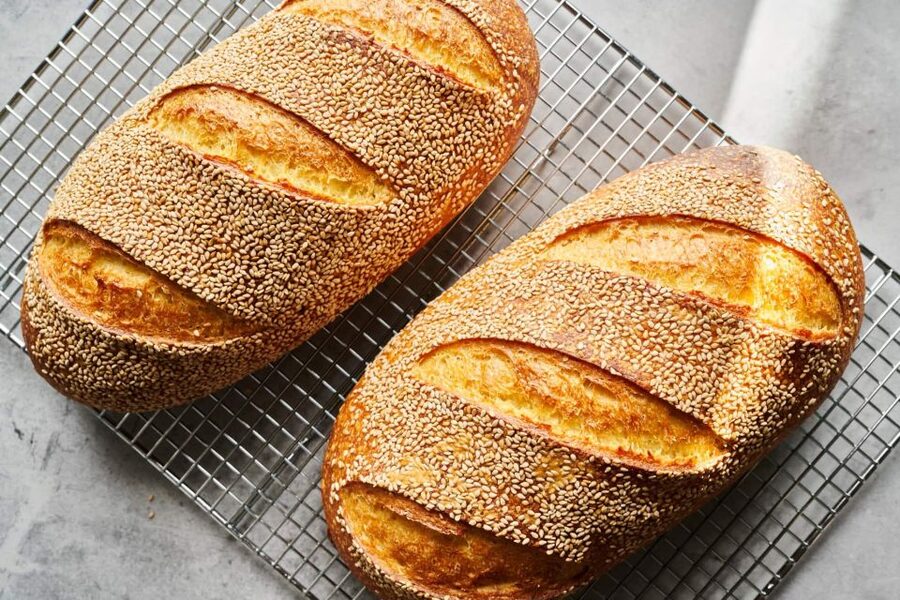
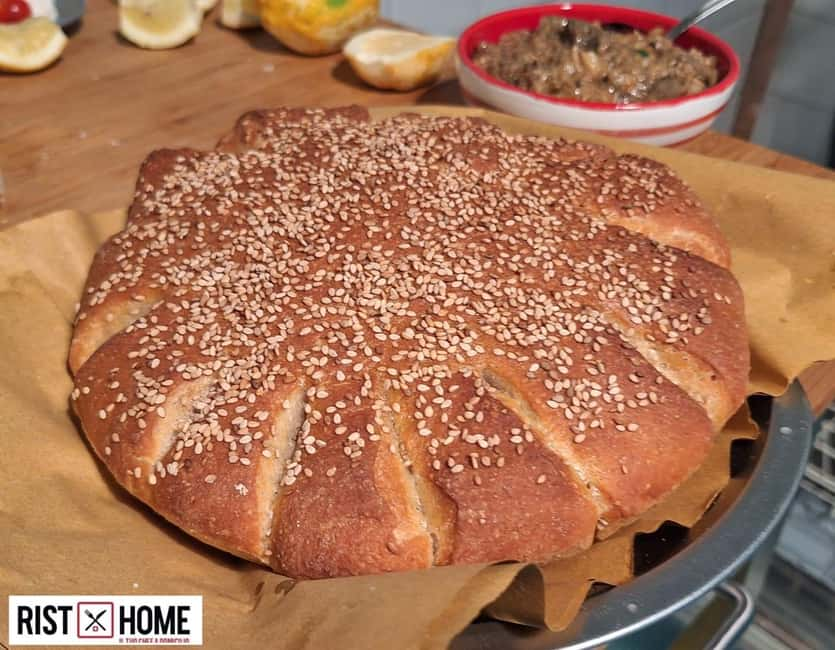
Bread can be a passport in Palermo. In this 2-hour Sicilian bread masterclass, you learn to shape and bake Palermitano and Monreale (plus brioscine) while being taught the culture behind each loaf. It’s hands-on food education with a strong sense of place, not a lecture about flour.
I also like how Chef Giacomo teaches like a host—warm, organized, and big on food you can actually taste, from the dough to the final spread. The one thing to watch: you should come hungry. Multiple people recommend not eating before you start, because you’ll end up with a lot of bread and more than one sip.
In This Review
- Key takeaways before you book
- Bread in Palermo: why this masterclass feels more personal than a typical class
- Getting started with Chef Giacomo and the dough-room vibe
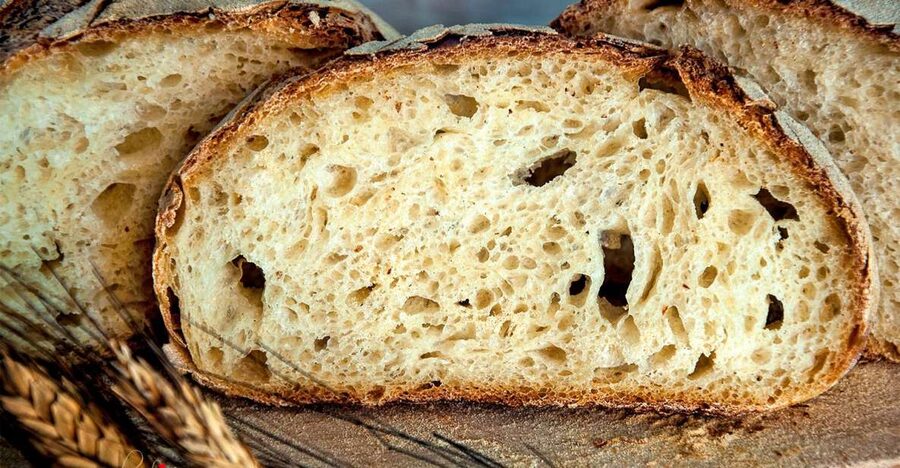
- Palermitano and Monreale: learning two dough personalities in one session
- Brioscine: the bread lesson that ends in real appetite
- How the instruction actually helps you back at home
- Ingredients, kneading, and baking: the choices that create flavor
- The tasting: why this class is built to make you enjoy the work
- Where value comes from: a 2-hour skill session with take-home tools
- Who should book this bread masterclass (and who might want to plan differently)
- Practical tips so your 2 hours go smoothly
- Should you book Palermo: Sicilian Bread Masterclass?
- FAQ
- How long is the Palermo Sicilian Bread Masterclass?
- What breads will I learn to make?
- Where does the class take place?
- Who teaches the class?
- Do I get recipes to take home?
- Is the class offered in multiple languages?
- Is there a skip-the-line option?
- Is the experience wheelchair accessible?
- What is the cancellation policy?
- Can I reserve and pay later?
Key takeaways before you book
- Three Sicilian bread styles taught in one session: Palermitano, Monreale, and brioscine
- Chef Giacomo as instructor, speaking multiple languages and teaching with clear, practical steps
- Take-home value, since you get recipes and even sources for flour and other ingredients
- Tasting is part of the class, with generous food and often wine alongside what you make
- Separate entrance skip-the-line, so you lose less time waiting and more time baking
- Wheelchair accessible and offered in multiple languages for easier participation
Bread in Palermo: why this masterclass feels more personal than a typical class
Palermo has a way of making food feel like a story. This masterclass leans into that idea by putting bread at the center of Sicilian life. You’re not just practicing dough skills. You’re learning why these loaves matter and how technique turns into flavor.
I like the fact that the class is built around recognizable bread names tied to the island. Palermitano and Monreale aren’t “random breads” for tourists. They’re part of local identity, and you can feel that in the way the baker explains ingredients, kneading, and baking as choices—not rules.
The experience is also flexible about location. You can join at a state-of-the-art facility in Palermo or choose a home option if that fits your trip better. Same core idea: learn the bread craft, then taste what you worked on.
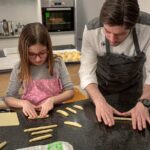
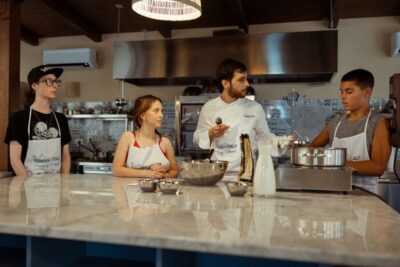
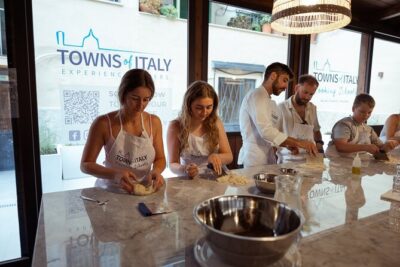
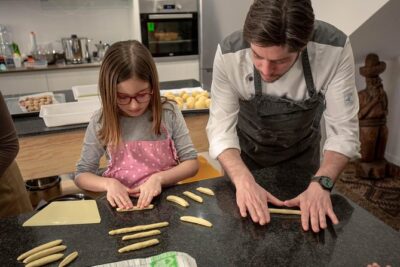
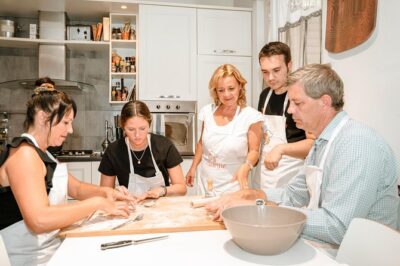
Rolling out fresh pasta and filling cannoli in a Palermo kitchen.
Getting started with Chef Giacomo and the dough-room vibe
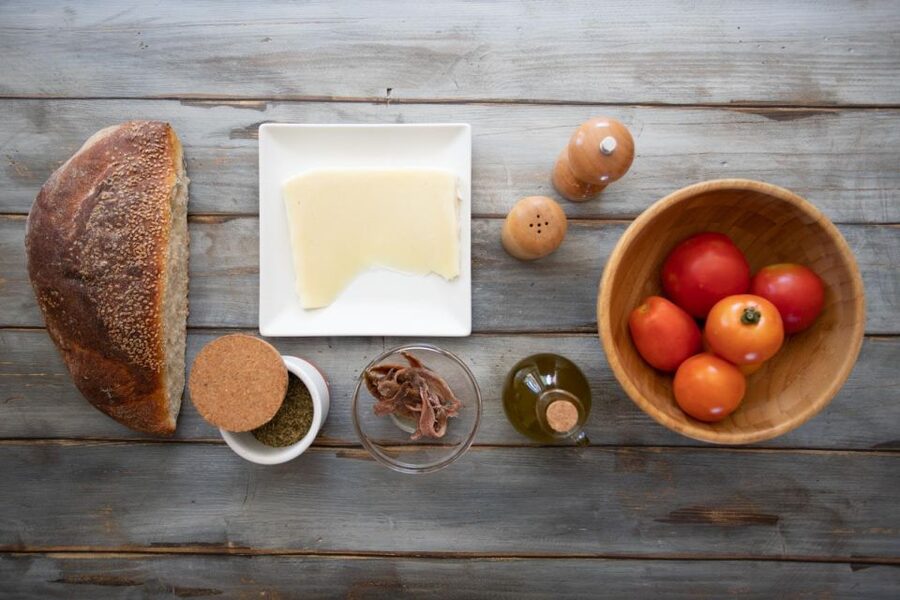
You’ll be guided by expert bakers, with Chef Giacomo named in multiple participant accounts for his teaching style. Expect an inviting tone. One person described being welcomed into Giacomo’s home and culture, and others highlighted his warmth and engagement during instruction.
Language support is a practical win here. The instructor is listed in Italian, English, Spanish, French, and German, and that matters more than it sounds. Bread is hands-on, so clear instructions reduce frustration when you’re forming dough, learning timing, and asking questions.
You’ll also appreciate the logistics that reduce friction. The class includes skip-the-line through a separate entrance, which is useful in a busy city center. It means you can start earlier in the “make and taste” rhythm, instead of spending your first part of the experience standing around.
Palermitano and Monreale: learning two dough personalities in one session
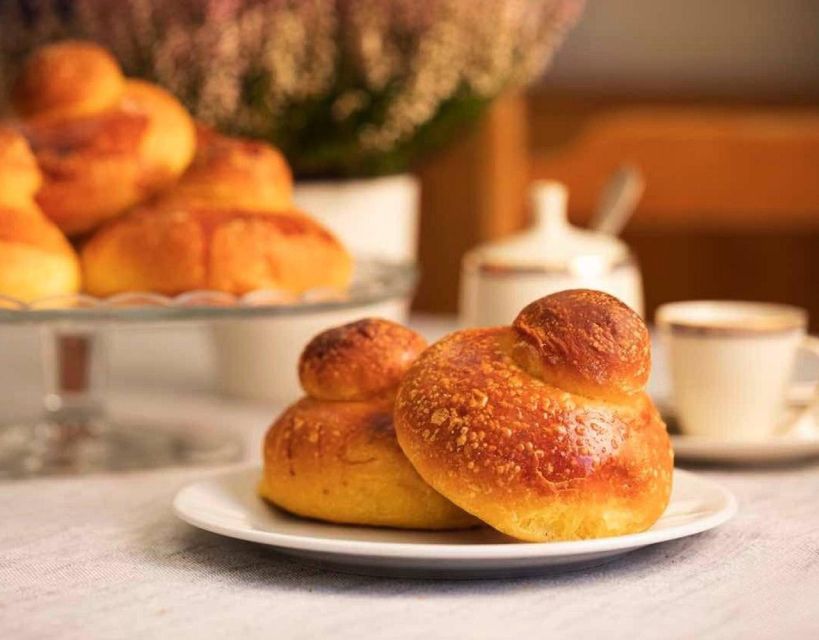
The masterclass focuses on three bread varieties, and it’s not just a name drop. The point is that each bread uses different technique and ends with a different flavor profile. You learn ingredient selection, kneading method, and baking approach for each style.
Here’s what makes the Palermitano and Monreale pieces especially useful: you’re comparing. Most home bakers pick a single dough routine and then repeat it until it works. This class trains your brain to notice how changes in handling affect texture, rise, and final results.
In participant feedback, people specifically call out the teaching quality and the feeling that the explanations are detailed and precise. Even if you consider yourself a beginner, that’s a comfort. If you’re an avid baker, the same clear structure helps you tighten up technique rather than guess.
Brioscine: the bread lesson that ends in real appetite
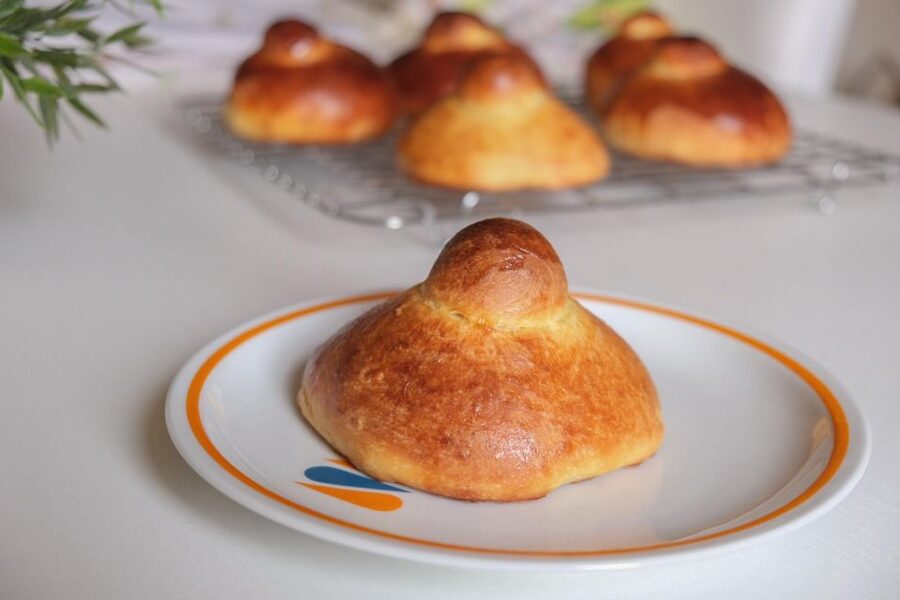
Brioscine are included as a third bread you’ll craft during the session. The class is built so you’re not only learning how dough behaves—you’re also learning what the finished bread is meant to be like.
One participant noted that the class used three different types of dough and included making a variety of food from those doughs. That’s a big deal for value. A lot of cooking classes “demo” and then you taste. This one puts multiple dough experiences in your hands, then rewards you with the outcomes.
If you’re the kind of eater who likes to understand the why behind the what, this is where it clicks. You’ll see that bread isn’t one thing. It’s texture, fermentation choice, and shaping choices—all working together.
How the instruction actually helps you back at home
What I like most about this class is that it’s not only about producing a nice loaf for that moment. It’s about building skills you can repeat.
People mention that the class provides recipes, and one baker specifically appreciated getting helpful tips as well as sources for flour and other ingredients. That means you’re not stuck with a vague “use good flour” suggestion. You’ll have a starting point for ingredient sourcing, which is often the difference between bread that tastes right and bread that is merely bread.
The best part of bread instruction is repeatability. You can practice kneading pressure, shaping technique, and baking timing long after your vacation ends. And because you’re working with multiple dough types, you come away with a broader toolkit instead of one “success recipe.”



Ingredients, kneading, and baking: the choices that create flavor
The class highlights ingredient selection, kneading, and baking as core learning points. That’s the bread triangle. If any one corner is weak, the result suffers. If all three are handled well, the bread tastes like it belongs in Palermo.
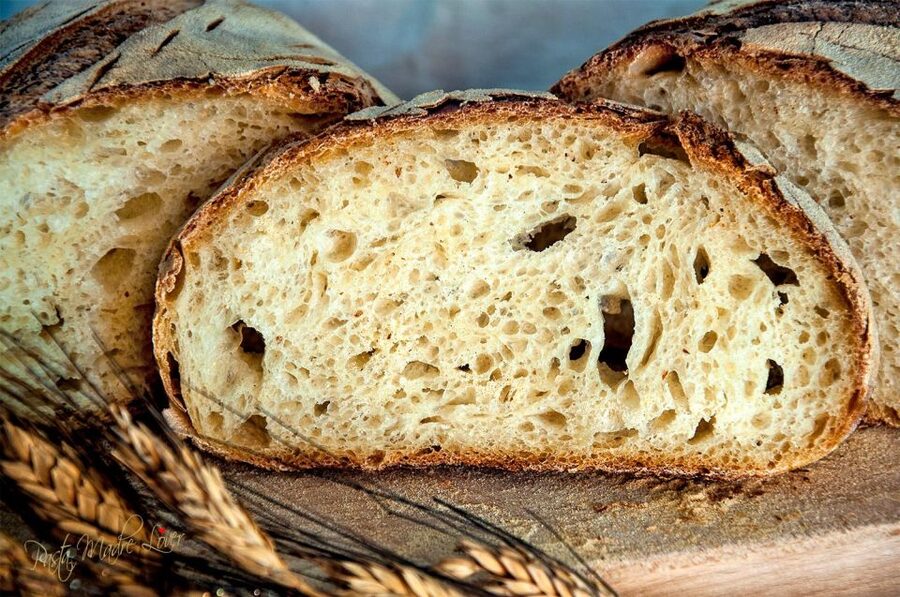
Kneading can sound simple. It’s not. Participants praised the precision of the explanations, which suggests you’ll be taught not just what to do, but how to recognize the dough’s behavior as you work. You’ll also get guidance on combining ingredients so the dough develops properly rather than turning out tight, dense, or uneven.
Baking is where technique becomes a real payoff. Even if you don’t become a daily bread maker, you’ll learn what “baked right” looks and smells like. That alone changes how you judge bread later—at home, at markets, or in restaurants.
The tasting: why this class is built to make you enjoy the work
Bread classes can be annoying if you end up doing all the work and then tasting one small bite. This one is different. Multiple accounts describe the food as spectacular and talk about a generous amount of bread and wine.
One participant even warned that you should not eat before the class. That’s practical advice, not hype. It tells you the tasting is a meaningful part of the experience, not an afterthought.
Expect a final spread built around what you made and what the bakers prepared alongside the breadwork. In a short session, that keeps the “why” front and center. You taste, you connect the taste to the dough handling, and then you leave with your head full of flavor logic.
Where value comes from: a 2-hour skill session with take-home tools
This is a 2-hour experience. For a lot of food experiences, two hours feels short. For bread-making, two hours can be perfect because it’s enough time to learn multiple steps and still get to the satisfying ending.
Value comes from three places:
- You make more than one bread style, rather than only practicing one dough
- You get instruction you can reuse, plus recipes
- You taste what the technique creates, with enough food to actually enjoy it
It’s also value-forward because you’re not limited to a single language barrier. With instruction available in Italian, English, Spanish, French, and German, the class can work for mixed groups and solo travelers without you needing to “translate in your head.”
Who should book this bread masterclass (and who might want to plan differently)
This masterclass is ideal if you want a hands-on Palermo experience that goes beyond sightseeing and pizza-shaped clichés. If you like learning through your hands—mixing, shaping, baking—this fits.
You’ll also enjoy it if you’re the type who likes asking questions. People praised Giacomo’s engagement, and that kind of interactive teaching makes the learning stick.
You might want to plan differently if you’re easily overwhelmed by tactile cooking tasks. Bread is messy in a normal way. Flour dust, sticky dough, and an active kitchen environment are all part of the deal.
And again: come hungry. The food and wine component is not minor, based on participant comments. If you’re prone to arriving overfed, you’ll miss the point.
Practical tips so your 2 hours go smoothly
Keep these in mind so you spend less time struggling and more time learning:
- Wear comfortable clothes you don’t mind getting dusted with flour.
- Bring curiosity and a willingness to adjust as the dough changes.
- Plan to arrive with an empty stomach or at least light hunger. The class’s tasting is part of the show.
- If you speak more than one language, use it. Asking questions in your strongest language makes instructions stick faster.
Also, choose your location option based on your style. The Palermo facility option is built for the experience flow. The home option may fit better if you want a more “kitchen conversation” feeling.
Should you book Palermo: Sicilian Bread Masterclass?
Book it if you want a Palermo food experience with real technique, real tasting, and a clear take-home result. The combination of multiple bread styles, recipes, and flour-ingredient sourcing guidance makes it more than a one-time snack lesson.
Skip it if you’re looking for a light, low-effort activity that mostly involves watching. This is hands-on bread work, plus a meaningful tasting portion. If you’re not into kneading, shaping, and baking, you’ll feel the drag.
If you want something authentically Sicilian that you can actually practice later, this is a strong pick.
FAQ
How long is the Palermo Sicilian Bread Masterclass?
The experience lasts 2 hours.
What breads will I learn to make?
You’ll learn techniques for crafting Palermitano, Monreale, and brioscine breads.
Where does the class take place?
You can join in Palermo at the provider’s state-of-the-art facility, or you can opt for the comfort of your own home.
Who teaches the class?
The instructor is Italian, English, Spanish, French, and German speaking, and Chef Giacomo is named in the experience.
Do I get recipes to take home?
Yes. Participants specifically mention that recipes are provided.
Is the class offered in multiple languages?
Yes. Languages listed are Italian, English, Spanish, French, and German.
Is there a skip-the-line option?
Yes. The class includes skip-the-line access through a separate entrance.
Is the experience wheelchair accessible?
Yes, it is listed as wheelchair accessible.
What is the cancellation policy?
Free cancellation is available up to 24 hours in advance for a full refund.
Can I reserve and pay later?
Yes. There is a reserve now & pay later option, where you can book your spot and pay nothing today.
More Tour Reviews in Palermo
More Palermo Cooking Classes
After something else? More tours and day trips around Palermo and western Sicily






Palermo Cooking Classes & Cannoli Workshops, compared.
 ★ 4.9Pizza and Gelato Cooking Class with Dinner and WineFrom $71951 reviews
 ★ 5.0Palermo’s Delight: Unleash the Secrets of Pizza and Gelato MakingFrom $60497 reviews
 ★ 5.0Sicilian Cooking ClassFrom $118289 reviews
 ★ 4.9Market Tour and Sicilian Cooking Class with LunchFrom $65229 reviews
 ★ 5.0Wanna be Sicilian: Palermo Cooking Class and Market TourFrom $60197 reviews
 ★ 5.0Cooking class in a villa with Palermo viewFrom $139155 reviews
 ★ 5.0Small group Pasta and Tiramisu class in PalermoFrom $163109 reviews
 ★ 5.0Fresh pasta and tiramisù class in PalermoFrom $10296 reviews
Browse the lists this tour appears in