
Reviewed · PALERMO COOKING CLASSES & CANNOLI WORKSHOPS
Cefalù: Cooking Class at a Local’s Home
A Sicilian meal starts at the stove. This Cefalù cooking class puts you in a local home with a certified home cook to learn three regional recipes (starter, pasta, dessert) and then sit down to eat what you make with local wines. I love that it feels personal, not staged, and I like that you’re not just watching instructions, you’re actually cooking step by step. One thing to consider: it’s hosted in a private home, so the exact address and meeting details come after booking, and you’ll want to plan a little extra time to get there.
In the past, I’ve done classes that stayed food-focused and a bit anonymous. This one is the opposite. You’re in the rhythm of a real Sicilian household—workstations set with utensils and ingredients, a table where everyone shares the meal, and plenty of talk about food and family. The tradeoff is you won’t get a sightseeing route or a bus tour—your main “activity” is the kitchen and the table.
In This Review
- Key things to know before you book
- Why a local home kitchen in Cefalù feels different
- The home setup: workstations, utensils, and the patio-table feeling
- The three-course cooking lesson: starter, fresh pasta, and dessert
- Starter: Sicilian antipasti energy
- Pasta: fresh dough and the real technique
- Dessert: tiramisù (and why it tastes better after you make it)
- Taste everything: wines, coffee, and a table you actually share
- Language and pacing: how the lesson stays friendly
- Timing in Cefalù: morning or late afternoon
- Price and value: what you’re really paying for
- Who this class is best for (and who it might not fit)
- How to get the most out of it
- Should you book this Cefalù cooking class?
- FAQ
- Where is the cooking class held?
- How long is the experience?
- What time does it start?
- What will I cook?
- What do I eat during the class?
- Are drinks included?
- Can the class accommodate dietary restrictions?
- What languages is instruction available in?
- Is this a private group experience?
- What is the cancellation policy?
Key things to know before you book
- Private home setting with the full address shared after booking for privacy
- 3 hours focused on cooking and then tasting everything you make
- Three-course structure: starter, pasta, and dessert (with Sicilian staples like fresh pasta and tiramisù)
- Included drinks: water, local wines, and coffee during the meal
- Dietary flexibility on request (vegetarian, vegan, gluten-free, and more)
- English/Italian instruction for a smoother experience in the kitchen
Why a local home kitchen in Cefalù feels different
Cooking classes can fall into two buckets: hands-on and meaningful, or scripted and cookie-cutter. This one lands firmly in the first bucket. You’re not learning in a demo studio. You’re learning where local routines happen, with a certified home cook guiding you through recipes from real family cookbooks and local habit.
What makes it work is the balance between instruction and atmosphere. Yes, you’ll cook. But you’ll also sit down and eat together, with the same recipes that you just made. That matters because it turns “I followed a recipe” into “I understand how Sicilian cooking tastes and why it works.” A lot of cooking lessons stop at the plate. This one follows through.
Also, Cefalù itself sets the mood. Even if you’re not there for a foodie tour, Sicily food already pulls you in. In a home setting, that curiosity becomes practical: you learn techniques, then immediately taste what those choices produce.
Rolling out fresh pasta and filling cannoli in a Palermo kitchen.
The home setup: workstations, utensils, and the patio-table feeling
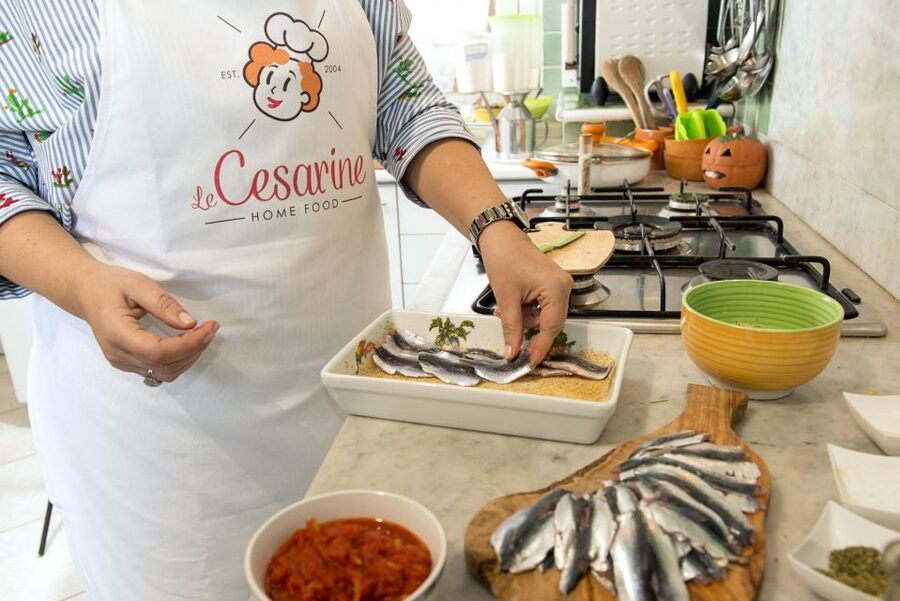
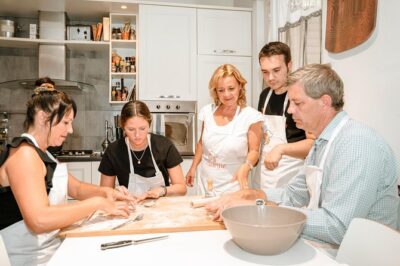
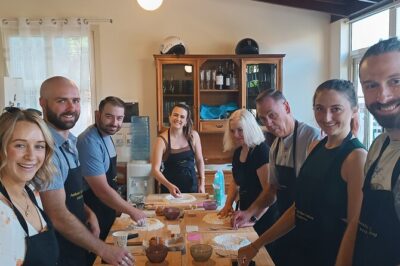
The format is simple, which is good news. You show up at a local family’s home, and you’ll get clear kitchen access—your own workstation, plus the utensils and ingredients needed for the class. That takes away the annoying part of many classes, where you spend half the time hunting for tools or trying to figure out what’s where.
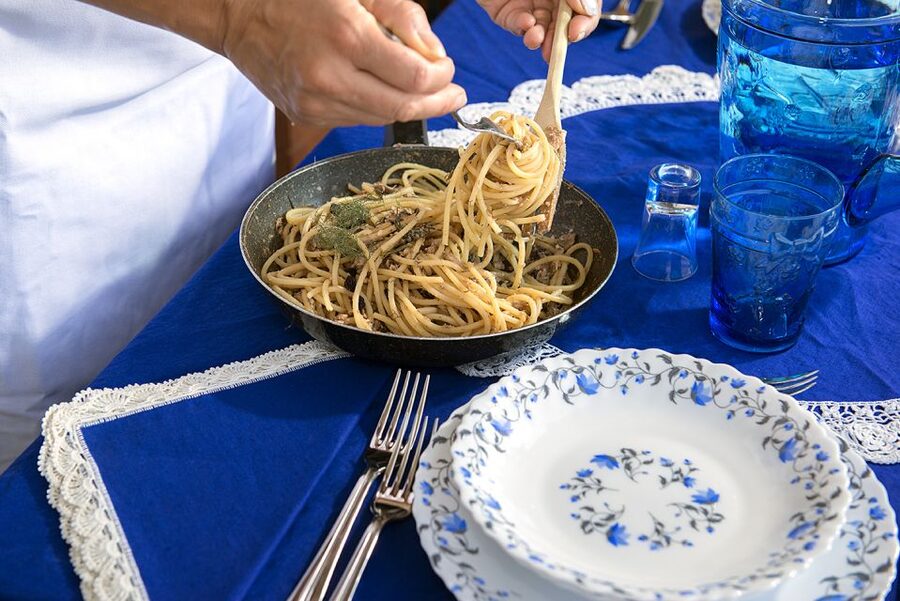
A big plus is the way the meal happens around the table. In one class experience, the cooking took place in an outdoor kitchen on a beautiful day, then people ate on the outdoor patio afterward. That kind of setup makes the class feel like an evening at someone’s home, not a ticketed workshop.
There’s one practical consideration: because it’s a private residence, you won’t get the full address ahead of time. After you book, you’ll receive the meeting point details. Plan to check your messages and arrive with a little buffer so you don’t feel rushed.
The three-course cooking lesson: starter, fresh pasta, and dessert
You’ll learn three authentic local recipes during the lesson, and they’re built around a classic order: starter, pasta, and dessert. You’re not just tasting. You’ll be working at the stove, cutting, mixing, shaping, and building flavor step by step.
Starter: Sicilian antipasti energy
The starter is your warm-up and your flavor guide. Expect classic Sicilian antipasti-style cooking, which often means bold, straightforward flavors that make sense with local bread and a glass of wine. This part of the class is where you learn how the cook thinks: how to balance ingredients, how to season without overcomplicating, and how to get the timing right so everything still tastes good when it reaches the table.
If you’re a cautious cook, don’t worry. In real kitchen moments, pasta won’t always look perfect on the first try—and that’s normal. The lesson is structured so you learn through doing, not through being judged.
Pasta: fresh dough and the real technique
Fresh pasta is the centerpiece for most people, and it’s usually where you feel the most satisfaction. You’ll learn to make pasta from scratch during the session. One memory that really sticks from a recent experience is the patience and sweetness of the host while people struggled to make the pasta look like hers at first. That’s exactly what you want from a good class: you’re allowed to be a beginner.
The value here isn’t just that you’ll leave with a full belly. It’s that you’ll understand the tactile basics—texture, handling, and the small technique details that shape how pasta turns out. Even if you don’t become the next nonna, you’ll carry the muscle memory back home.
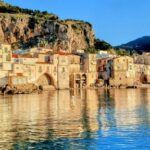
Out to the golden mosaics of Monreale and seaside Cefalu.





Dessert: tiramisù (and why it tastes better after you make it)
Dessert rounds out the lesson with the kind of dish people associate with Italy, but the class experience makes it feel concrete. In one example, the dessert was the best tiramisù someone had ever had, and it wasn’t because it came from a bakery—it was because it came from their own kitchen effort.
Dessert in this format also teaches a key cooking truth: timing and assembly matter. When you make it yourself, you start paying attention to the difference between mixing, layering, and letting flavors set.
Taste everything: wines, coffee, and a table you actually share
The tasting is part of the core experience, not an add-on. You’ll taste the three dishes you prepare: starter, pasta, and dessert. During the meal, you’ll have beverages including water, local wines, and coffee.
That pairing is smart. Wine makes you pay attention to acidity, salt, and richness—things you might otherwise ignore. Coffee gives the whole experience a proper finish, the way it often works in Italian everyday dining.
What I like most about this “cook, then eat” approach is how it teaches your palate. You don’t just read or watch. You taste your own choices, then connect them to what the cook explained. That’s how cooking classes turn into real skills you can repeat later.
Language and pacing: how the lesson stays friendly
Instruction is offered in English and Italian. In practice, that means you won’t be stuck guessing what’s going on while sauce simmers. You can ask questions, and the cook can steer you when you’re getting close but not there yet.
One review highlighted that the host, Rosamaria, spoke English (and also used German in conversation). That’s not something you should rely on as your plan, but it fits the bigger pattern: hosts here tend to communicate in a warm, direct way, not a formal lecture style.
Pacing-wise, you’ll have around three hours total. There’s time to cook, to learn technique, and to eat without the rushed feeling you get when everything is compressed.
Timing in Cefalù: morning or late afternoon
The class usually starts either at 10:00 AM in the morning or 5:00 PM in the afternoon. The schedule can be flexible depending on your travel needs if you contact the supplier in advance.
This matters for planning. A morning class pairs well with a later lunch that’s lighter, because you’ll already have a full starter and pasta experience plus dessert. An evening class can slot into your day like a foodie anchor: you’ll get your Sicilian meal and then you can keep the rest of your evening simple.
Price and value: what you’re really paying for
At $164.26 per person for about three hours, this isn’t a budget activity. But it can be strong value if you care about cooking skills and an authentic meal.
Here’s why. Your cost covers:
- A certified home cook guiding you through three recipes
- Hands-on cooking (not just tasting)
- All ingredients and utensils for the workstations
- A full meal tasting of everything you make
- Beverages including water, local wines, and coffee
You’re also paying for something that’s hard to measure: the social side. When you’re in a home kitchen, you learn the small “how we do it” details that don’t show up in a standard recipe card. That’s why people often remember the connection with the host as much as the food.
If you’re doing Sicily on a strict schedule, compare this cost against spending on multiple meals out. With this class, you’re effectively booking an experience that replaces a full eating plan while teaching you something you can repeat.
Who this class is best for (and who it might not fit)
This works best if you:
- want hands-on cooking, not just watching
- like learning regional food and techniques you can recreate later
- enjoy small-group, home-style hospitality
- travel with a friend or family member who’s happy to spend a few hours cooking and eating together
It might not be the best fit if you:
- want lots of sightseeing built into your day
- have very strict timing constraints around getting to a specific public meeting place
- prefer activities where you don’t need to be in a kitchen environment for the full session
How to get the most out of it
You’ll enjoy this more if you come with the right mindset. Think of it as a shared kitchen experience, where mistakes are part of learning. If your pasta doesn’t look like the host’s on the first try, that’s not a problem—it’s the point.
A couple practical tips help:
- Wear comfortable clothes you don’t mind getting a little flour or sauce on.
- Eat beforehand only lightly, because the full three-course tasting plus coffee is the payoff.
- Ask questions during the process. That’s when you’ll pick up the “why” behind the technique, not just the steps.
And remember: the real souvenir isn’t a magnet. It’s the method. By the end, you’ll know how to approach fresh pasta and Italian dessert basics with more confidence.
Should you book this Cefalù cooking class?
I’d book it if your goal is a genuine Sicilian food evening that turns into skills you can use again. For me, the big selling points are the home setting, the fact that you cook three courses (starter, fresh pasta, dessert), and the included meal with local wines—so you don’t leave hungry or wondering what you missed.
Skip it only if you want a sightseeing-heavy day, or if kitchen time feels like a chore rather than a treat. If you’re a foodie, a hands-on learner, or you just want one memorable evening with a local home cook, this hits the mark.
If you do book, be ready for the fact that the exact address arrives after booking. That’s normal here. Treat it like part of the charm, and plan a little buffer so you can arrive relaxed and ready to cook.
FAQ
Where is the cooking class held?
It’s held in a local family’s home in Cefalù. For privacy reasons, you receive the full address of the host after booking.
How long is the experience?
The class runs for about 3 hours.
What time does it start?
It usually begins at 10:00 AM or 5:00 PM, but it can be flexible based on your travel requirements if you contact the supplier in advance.
What will I cook?
You’ll cook three local recipes: a starter, pasta, and dessert.
What do I eat during the class?
You taste the three dishes you prepare, sitting down to eat as part of the experience.
Are drinks included?
Yes. The class includes water, local wines, and coffee.
Can the class accommodate dietary restrictions?
Yes. It can cater to dietary requirements upon request, including vegetarian, vegan, and gluten-free needs.
What languages is instruction available in?
The instructor speaks English and Italian.
Is this a private group experience?
Yes, it’s a private group.
What is the cancellation policy?
You can cancel up to 24 hours in advance for a full refund.
More Tour Reviews in Cefalu

More Monreale and Cefalu Days
More Palermo Cooking Classes
After something else? More tours and day trips around Palermo and western Sicily








Palermo Cooking Classes & Cannoli Workshops, compared.
 ★ 4.9Pizza and Gelato Cooking Class with Dinner and WineFrom $71951 reviews
 ★ 5.0Palermo’s Delight: Unleash the Secrets of Pizza and Gelato MakingFrom $60497 reviews
 ★ 5.0Sicilian Cooking ClassFrom $118289 reviews
 ★ 4.9Market Tour and Sicilian Cooking Class with LunchFrom $65229 reviews
 ★ 5.0Wanna be Sicilian: Palermo Cooking Class and Market TourFrom $60197 reviews
 ★ 5.0Cooking class in a villa with Palermo viewFrom $139155 reviews
 ★ 5.0Small group Pasta and Tiramisu class in PalermoFrom $163109 reviews
 ★ 5.0Fresh pasta and tiramisù class in PalermoFrom $10296 reviews
Browse the lists this tour appears in