
Reviewed · MONREALE & CEFALù DAY TRIPS
Cefalú: La Rocca Archaeological Park Guided Hiking Tour
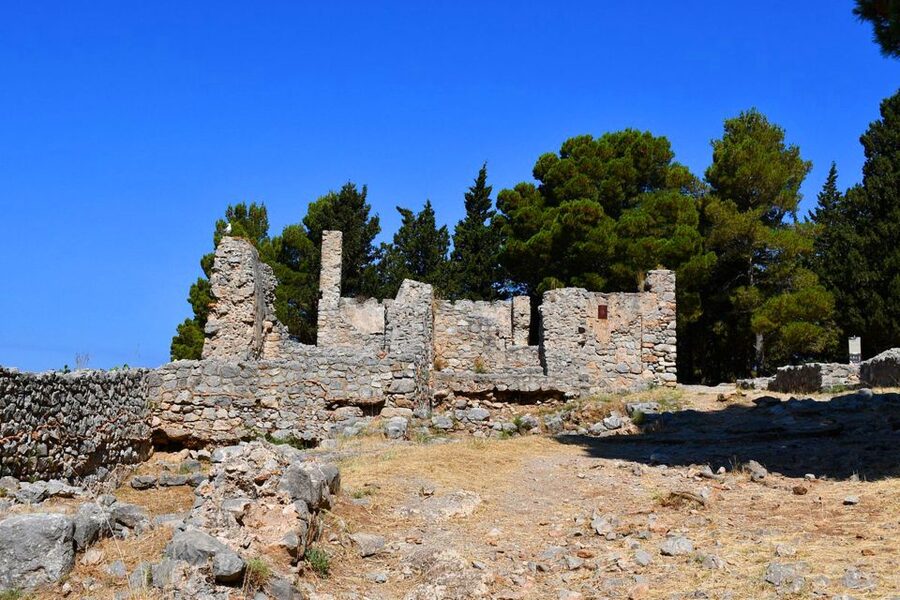
Rocca ruins rise above Cefalù. This guided hike through La Rocca Archaeological Park mixes Temple of Diana history with sea views you can’t fake.
You start in town, then climb from the old fortified paths up to the promontory at about 270 meters above sea level, where the ruins sit right inside the natural setting.
I love how the licensed guide brings the place to life without turning it into a lecture. You’ll get explanations that connect the monuments to how people actually lived here, including the local flora and fauna you’ll pass along the way.
One thing to watch: the park ticket isn’t included, and this is still a climb. Bring good shoes, sun protection, and expect uneven walking on medieval-style paths.
In This Review
- Key things I’d bank on before you go
- From Via Umberto I to the Rocca Park entrance
- The ascent through a fortified medieval path
- Fortress walls, cisterns, ovens, and Byzantine-era leftovers
- The Temple of Diana: fortress-sanctuary and water cult
- That Cefalù-over-the-sea feeling (and when it’s best)
- What’s included, what isn’t, and how that affects your planning
- Price: is $283.21 per group up to 25 worth it?
- Who this guided hike suits (and who should think twice)
- Tips to make your 2 hours more comfortable
- Should you book La Rocca Archaeological Park guided hiking tour?
- FAQ
- How long is the Cefalù La Rocca guided hiking tour?
- Where do I meet the tour guide?
- Is the tour private or shared?
- What languages are offered for the guide?
- Is the park ticket included in the price?
- Does the tour include transportation?
- What should I bring for the hike?
- Is there free cancellation?
- Can I reserve and pay later?
Key things I’d bank on before you go
- From Via Umberto I to the Rocca entrance: you begin in Cefalù before the history starts
- A real uphill payoff: the promontory tops out around 270 meters above sea level
- Fortress leftovers you can point at: walls, cisterns, ovens, and churches of the Byzantine period
- Temple of Diana (with water-linked legend): a fortress-sanctuary tied to control and arrival by sea
- A small private group feel: the pacing stays human, including help on the climb
From Via Umberto I to the Rocca Park entrance
Your tour starts at Via Umberto I number 13, right outside a barber shop. It’s a practical meeting point in the center of Cefalù, so you’re not trying to hunt down a bus stop at the edge of town with sore feet before the hike even begins.
From there, you’ll walk through the picturesque alleys of Cefalù toward the Rocca Park entrance. I like that this isn’t just “show up and start walking uphill immediately.” You get a little town rhythm first, then the setting shifts from street life to rock, fortification stones, and sea air.
This early walk also helps you warm up. By the time you reach the fortified route, you’re already oriented—where you are, what the terrain feels like, and why the view up top matters.
Out to the golden mosaics of Monreale and seaside Cefalu.
The ascent through a fortified medieval path
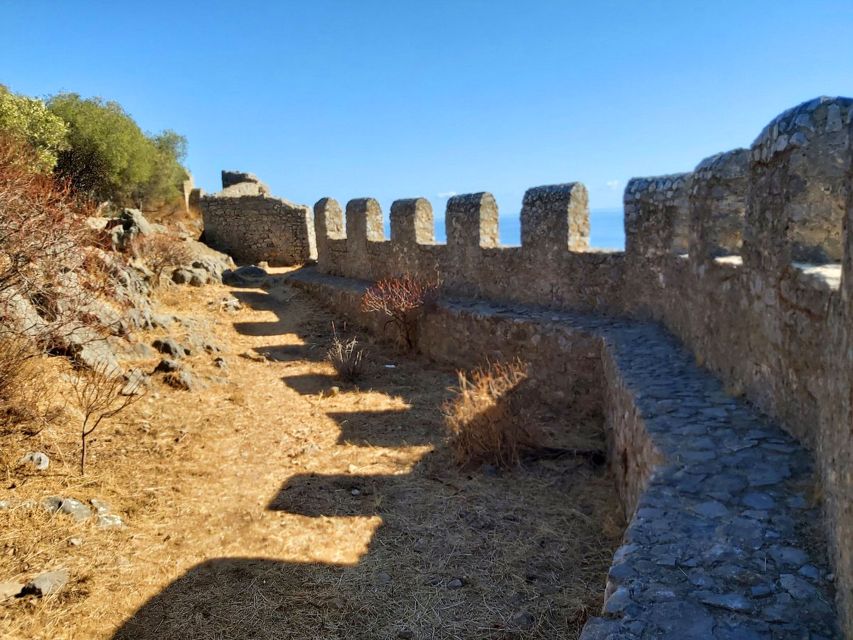
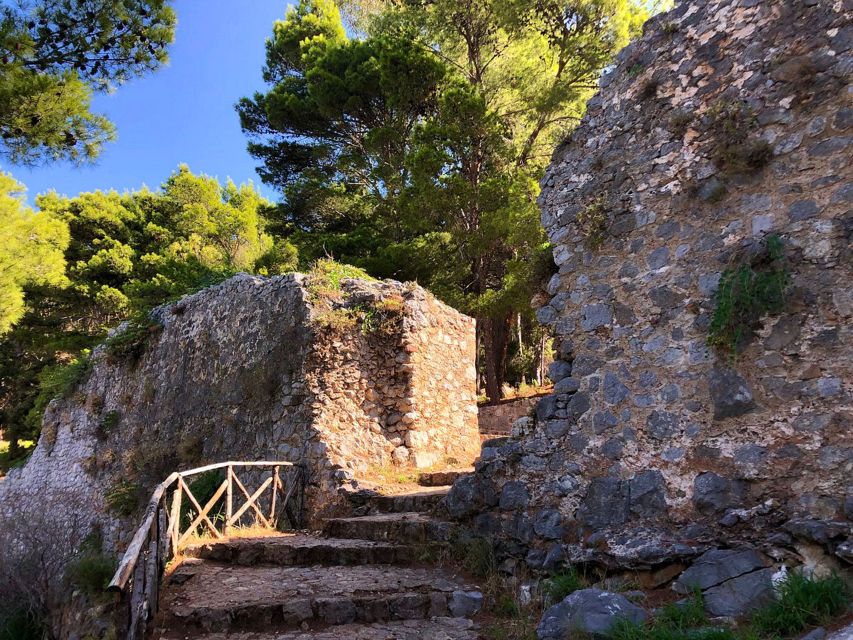
The heart of the experience is the climb to the Rocca and its panoramic points. The route follows a fortified medieval path, and that matters because you’re not just hiking through nature—you’re moving along the same kind of defensive thinking that once shaped this peninsula.
The promontory sits around 270 meters above sea level, so you’ll feel the change in elevation. Even though the tour lasts only about 2 hours, it’s long enough to be satisfying without turning into an all-day slog.
Here’s the practical part: wear comfortable shoes and plan for uneven ground. The good news is that the guide can manage pacing for a small private group, which is a big deal on steeper sections.
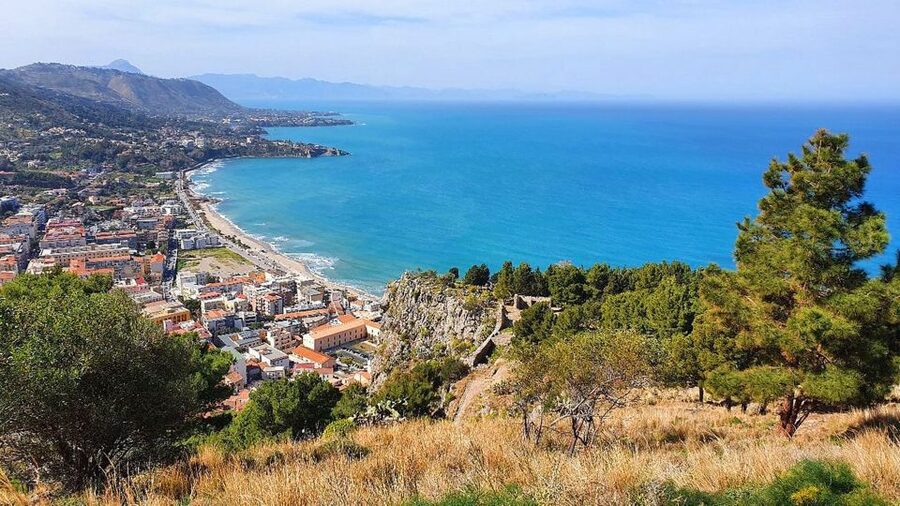
And the views are the payoff. As you go up, you’ll gradually see more of Cefalù and the coastline spread out below—until you finally reach the panoramic point where the town, sea, and ruins all make sense together.
Fortress walls, cisterns, ovens, and Byzantine-era leftovers
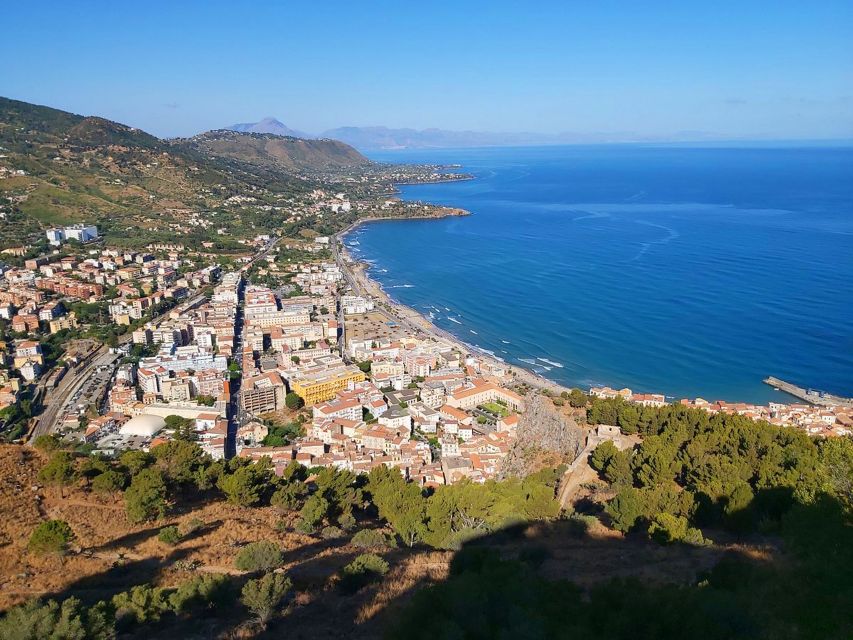
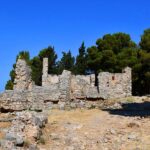
Once you enter the archaeological park, you’re in a space where history isn’t behind glass. You’ll explore the fortress area and its remains, including fortification walls, cisterns, ovens, and Byzantine-period churches.
This is where the guided part pays off. Without a guide, it’s easy to see scattered stones and think, okay… ruins. With a guide, you start connecting the dots: the fortress position made it useful as a refuge from enemy attacks, and the installations helped people survive siege life.
The cistern is especially interesting. You’ll be able to admire one dating back to the 9th century BC, which puts into perspective how long people valued this spot. It’s not just ancient romance; it’s practical engineering tied to water storage—something that keeps showing up across the site.
You’ll also pass structures like ovens, which help you imagine daily routines inside the fortress. Even when you don’t fully reconstruct the scene, you get the feeling of a working settlement, not a museum set.
If you enjoy ruins, but you also like nature, this part works well. The park includes trails and green space, so you’re not constantly staring at stone—your eyes can reset between monuments.
The Temple of Diana: fortress-sanctuary and water cult
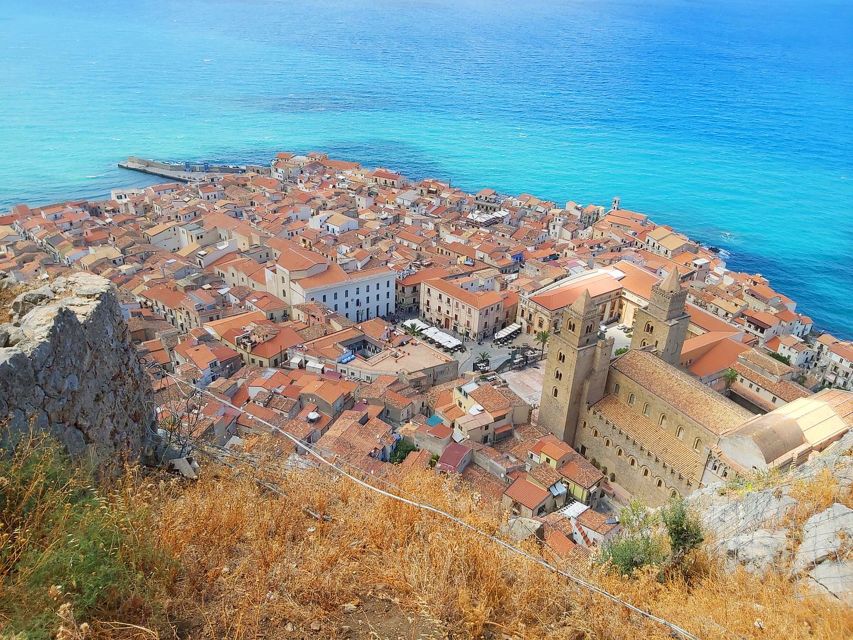
The standout cultural stop is the remains of the Temple of Diana. It comes with legends and mysteries about how it was constructed, and it’s described as something like a fortress sanctuary—built in an ideal position to control arrivals from the sea.
I love this kind of detail because it ties geography to belief. From up here, you can see why a sanctuary connected to power and surveillance would be placed where it is. It’s not only a religious site; it’s also part of the fortress logic.
The tour also emphasizes the temple’s link to the cult of water. That makes a lot of sense in a place shaped by cisterns and survival needs. Even if you don’t know the full ritual history, you can feel how water mattered here—storage, control, and the ability to last through difficult seasons.
Expect to see the remains as part of the broader fortress setting rather than as a standalone attraction. That’s a big difference in experience. The temple becomes clearer when you’ve already walked the walls, cisterns, and church areas first.
That Cefalù-over-the-sea feeling (and when it’s best)
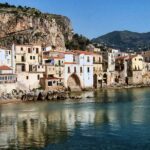
You finish up back at the meeting point, but along the way you’ll reach a key panoramic moment from where you can appreciate Cefalù over the sea. This is the emotional anchor of the tour—the point where all the stone, altitude, and coastal geography click together.
The site is described as reaching its maximum splendor at sunset. Your exact start time isn’t guaranteed here, but if you can choose a later slot, you’ll likely get better light for photos and that softer mood that makes ruins feel less harsh.
Even without sunset, the view is still doing work. The Rocca makes Cefalù look like it’s perched between land and water for a reason. It helps you understand why people built defensive routes and why the sea approach mattered.
Practical tip: bring sunglasses and sunscreen, even if the morning feels mild. With elevation and open sky, sun can sneak up fast.
More Palermo days out with a local guide.
What’s included, what isn’t, and how that affects your planning
This tour includes a licensed tour guide, and it’s offered as a private group with Italian and English speaking. That’s a real value point: you’re paying for interpretation, not just a self-guided walk.
What’s not included:
- Archaeological park ticket (La Rocca)
- Transportation
Because the ticket isn’t included, you should budget for it separately. I recommend you plan the ticket part ahead so you don’t waste your precious 2 hours coordinating entry.
Also, transportation isn’t part of the package. You’ll need to handle getting to Cefalù and arriving at Via Umberto I 13 on your own. The upside is you’re meeting in a central area, so once you’re there, everything is simple.
Price: is $283.21 per group up to 25 worth it?
The price is listed as $283.21 per group up to 25, with a 2-hour duration. That can be good value depending on how many people are in your group.
Why it can work: you’re paying for a guided, licensed experience over a compact window of time, with access to a park full of scattered archaeological elements that are far easier to understand with someone explaining them. The private-group format also usually means less waiting and more direct help on the climb.
Why you should double-check: if you’re traveling solo or with only one other person, the per-group price can feel pricey compared to a standard group tour. In that case, it’s worth evaluating whether you want the extra quiet and pacing.
My practical advice: treat it like a shared-cost experience. If you can split it among friends or family, the math tends to look better—and you’ll also get the benefit of a smaller-feeling hike.
Who this guided hike suits (and who should think twice)
This tour fits best if you want:
- A short guided hike with a strong history focus
- Sea views tied to the fortress setting
- Ruins that make sense because the guide connects them (walls, cisterns, ovens, churches, temple remains)
It may not be ideal if:
- You can’t handle uphill walking or uneven paths
- You’d rather explore at a completely slow pace with no structured route
- You’re not interested in archaeological sites beyond a quick look
The good thing is the group is private, and the guide style described includes patience and help during the climb. That matters if you want someone watching your footing and adjusting the rhythm when the slope gets demanding.
Tips to make your 2 hours more comfortable
Bring what you’d expect for a hillside walk, but don’t skip it:
- Comfortable shoes (this is the difference between fun and grumpy)
- Hat, sunglasses, and sunscreen for open-air sun
- Comfortable clothes, since the ascent can warm you up quickly
If you’re the type who likes photos, you’ll want a little flexibility. The viewpoints are a natural pause point, and stopping to enjoy the view is part of the value here.
Also, don’t overpack. You’ll be carrying what you bring through town streets and up the park trails.
Should you book La Rocca Archaeological Park guided hiking tour?
I’d book this tour if you’re excited by places where archaeology and geography work together. The Rocca is one of those sites where the view is not an extra—it’s part of the story, because the fortress and the Temple of Diana are tied to controlling arrivals by sea.
Book it if you want a guided experience that explains both the monuments and the natural surroundings you’ll walk through, with a private-group feel and helpful pacing on the ascent.
I’d hesitate if you dislike hills, hate separate ticket logistics, or want transport included. In that case, you might prefer a self-guided visit after you’ve handled the ticket and entry details.
If you fit the first group, this is a smart, time-efficient way to get one of Cefalù’s most memorable experiences without turning your vacation into guesswork.
FAQ
How long is the Cefalù La Rocca guided hiking tour?
The tour lasts about 2 hours.
Where do I meet the tour guide?
Meet the guide at Via Umberto I number 13, outside the barber shop.
Is the tour private or shared?
It’s listed as a private group.
What languages are offered for the guide?
The live guide is available in Italian and English.
Is the park ticket included in the price?
No. The archaeological park La Rocca ticket is not included.
Does the tour include transportation?
No. Transportation is not included.
What should I bring for the hike?
Bring comfortable shoes, sunglasses, a hat, sunscreen, and comfortable clothes.
Is there free cancellation?
Yes. You can cancel up to 24 hours in advance for a full refund.
Can I reserve and pay later?
Yes. There is a reserve now & pay later option indicated for flexibility.
More Guided Days in Palermo
More Tour Reviews in Cefalu
More Monreale and Cefalu Days
After something else? More tours and day trips around Palermo and western Sicily





Monreale & Cefalù Day Trips, compared.
 ★ 4.2Monreale and Cefalù Half-Day TripFrom $711,354 reviews
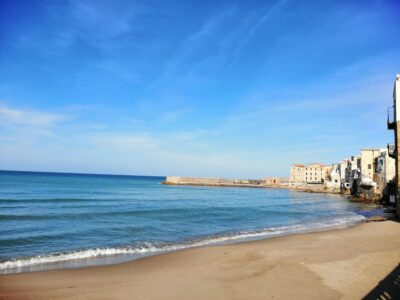 ★ 4.8Cefalù: History and Legends Guided Walking TourFrom $37132 reviews
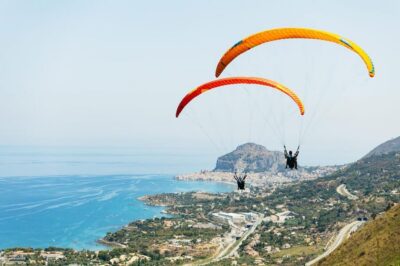 ★ 4.9Cefalù: Tandem Paragliding Flight and GoPro13 VideoFrom $169131 reviews
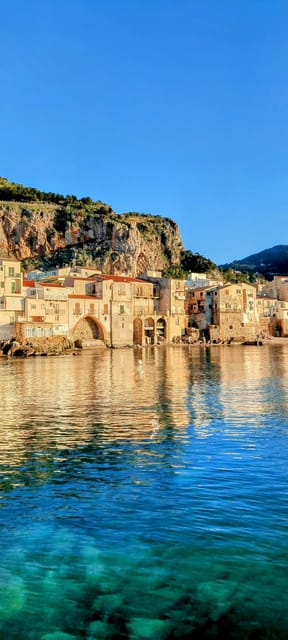 ★ 4.9Cefalù: Mini Yacht with Snorkel Stops, Caves and AperitifFrom $5299 reviews
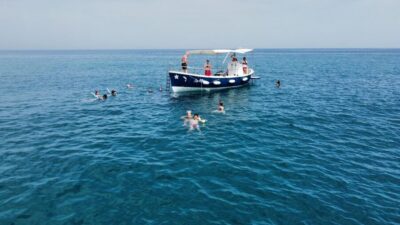 ★ 4.8Sunset excursion by boat along the coast of CefalùFrom $5386 reviews
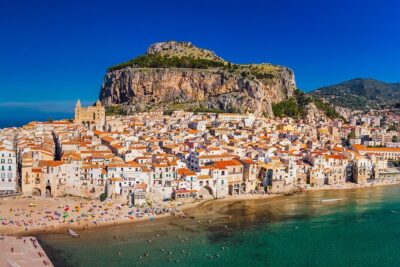 ★ 3.5Monreale And Cefalù Half Day ExcursionFrom $7783 reviews
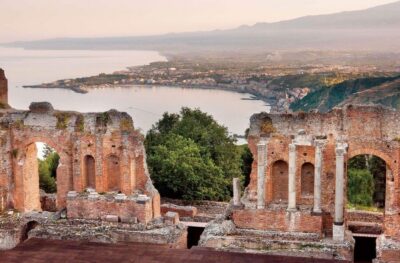 ★ 4.6From Cefalù: Day Trip to Mount Etna and TaorminaFrom $9481 reviews
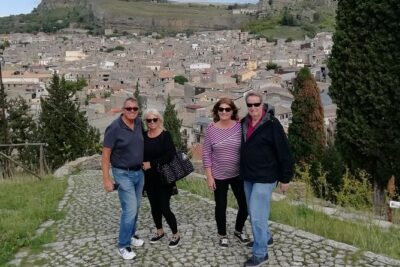 ★ 5.0The Godfather Origins of Mafia: Corleone & Visit Monreale DuomoFrom $29873 reviews
Browse the lists this tour appears in