
Reviewed · PALERMO HISTORIC CENTER WALKING TOURS
Palermo: Walking Tour of Historic Markets and Monuments
Palermo has a way of grabbing you fast. This 3-hour walk links UNESCO-listed Palermo Cathedral, the Teatro Massimo area, and the old markets so the city makes sense in one go. I especially liked how the guide turns landmarks into stories you can remember, not just photos you scroll past.
Two things I really appreciate: you get real time in the Capo street market to see how locals shop and eat, and you also get a guided look at the Cathedral’s architecture and evolution, including those iconic bell towers. It’s the mix that works.
One possible drawback: the tour runs in Italian only, and cathedral entry requires modest clothing, so plan your outfit and don’t assume you’ll understand everything without some Italian.
In This Review
- Key highlights at a glance
- Why this walking route beats a straight sightseeing loop
- Meeting at Feltrinelli: the small details that prevent confusion
- Entering Palermo Cathedral: 12th-century layers you can see
- Teatro Massimo: Italy’s largest theater and its eerie stories
- Quattro Canti and Fontana Pretoria: the baroque squares that anchor your map
- Quattro Canti plaza
- Fontana Pretoria
- Beati Paoli and Santa Rosalia: myths that explain the city’s personality
- Capo street market: the best use of your appetite
- Price and what $35 really buys you
- Who this tour fits best (and who should think twice)
- The guide makes a real difference on this route
- Should you book Palermo a Piedi’s Historic Markets and Monuments tour?
- FAQ
- What language is the tour in?
- Where is the meeting point?
- How long is the walking tour?
- Are entry tickets included?
- What should I bring or wear?
- What’s included in the $35 price?
- Can I cancel for a refund or reserve without paying right away?
Key highlights at a glance
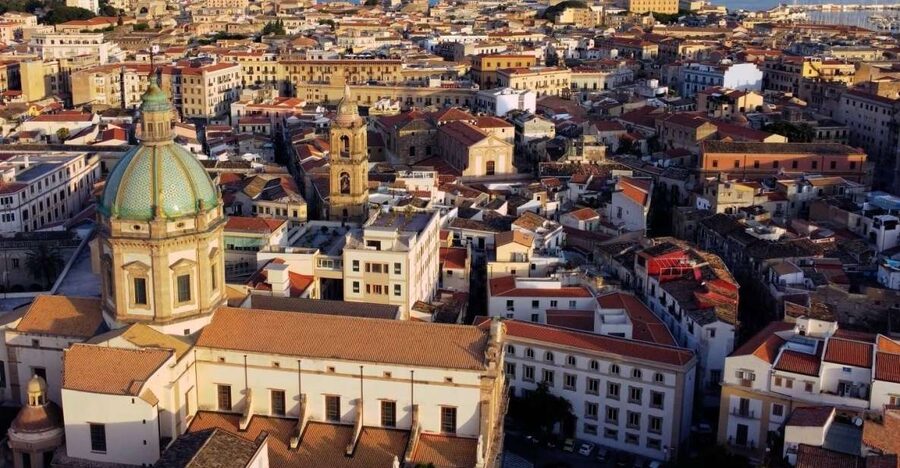
- Palermo Cathedral entry and a guided look at the bell towers and how the building evolved over time
- Teatro Massimo stop with ghost legends tied to the city
- Quattro Canti baroque square viewpoints that help you orient the historic center
- Fontana Pretoria in its Piazza—big, dramatic, and easy to appreciate on foot
- Beati Paoli and Santa Rosalia (La Santuzza) stories that give Palermo its myth-map
- Capo market time for street food and pastries bought and eaten fresh from the stalls
Why this walking route beats a straight sightseeing loop
Palermo can feel like it has two faces: the grand, monumental parts—and the everyday street life right around them. This tour is built to connect those faces. You’re not just seeing famous buildings; you’re learning how people used to gather, how markets worked, and why certain legends stick in the city’s memory.
I also like the pacing. Three hours is long enough to hit the big anchors—Cathedral, Teatro Massimo, Quattro Canti, Fontana Pretoria, and Capo—without turning the day into a marathon. And because it’s a guided walk, the route does the heavy lifting for you: you get context while you’re still nearby to look closely.
Finally, the guide style matters here. From recent experiences, guides like Claudio and Fabrizio are described as professional, well-prepared, and fun to listen to—so the history doesn’t sit like homework. It turns into something you can actually talk about later.
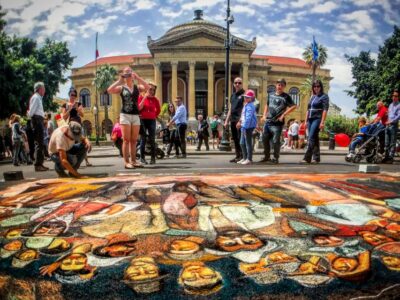
More of the old centre on foot, from the Quattro Canti to the markets.

Meeting at Feltrinelli: the small details that prevent confusion
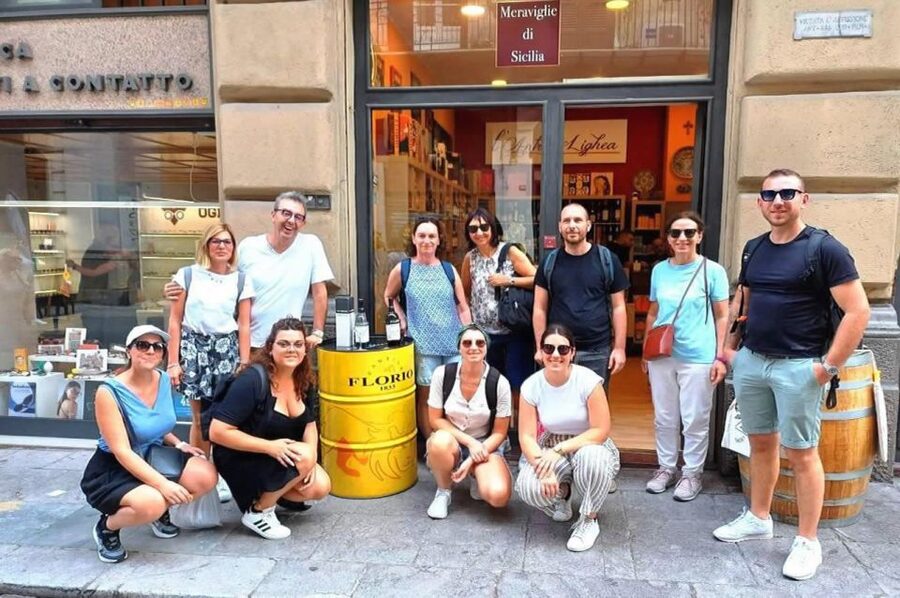
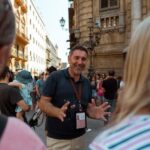
You meet in front of the library Feltrinelli, and the guide wears a red tag that says tour guide. That sounds simple, but it really helps when you’re arriving in a busy historic center where tour groups can blend together fast.
Practical tip: wear comfortable shoes before you get there. This is a walking tour through the historic core, and you’ll be on your feet during the full route—not just for a quick bus-and-walk loop.
Entering Palermo Cathedral: 12th-century layers you can see
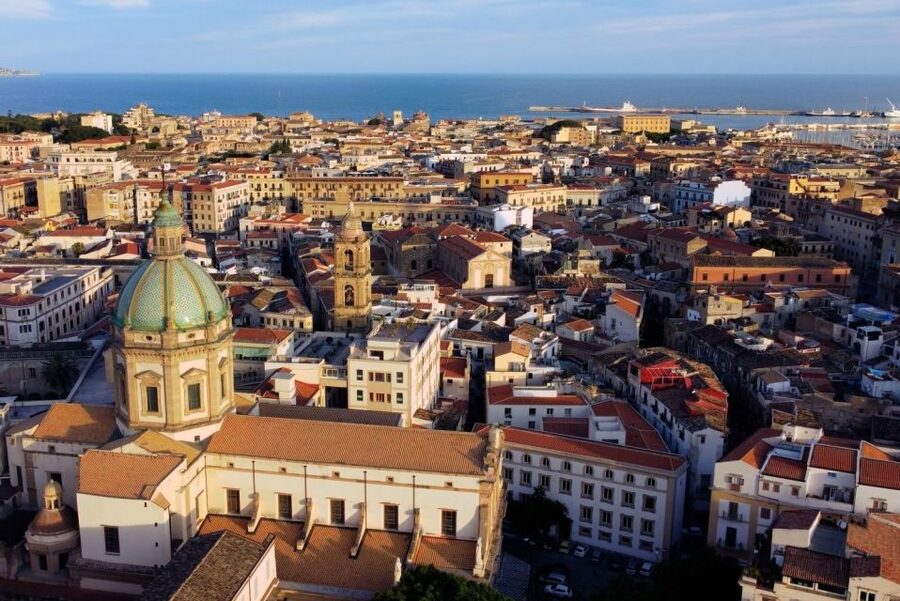
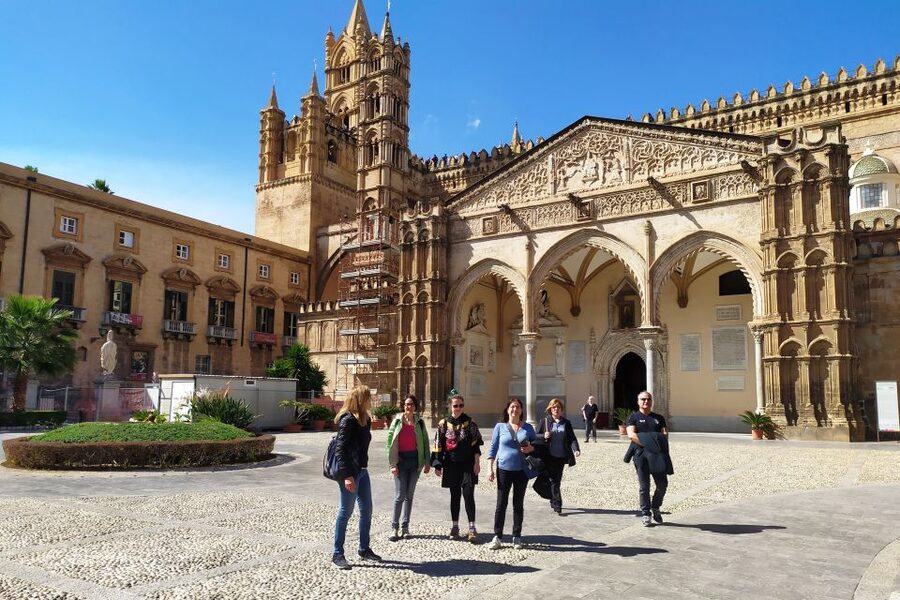
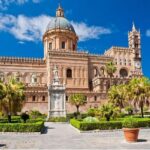
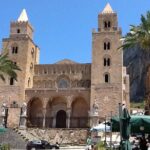
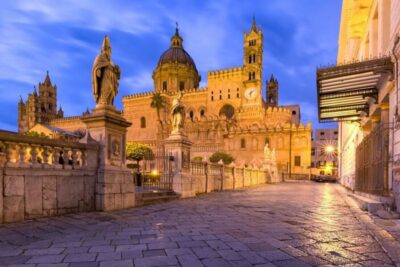
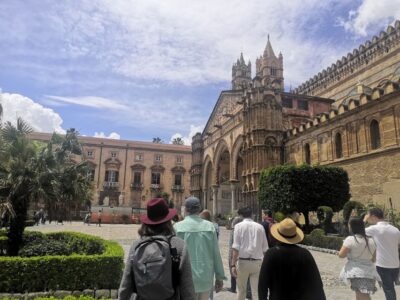
The tour starts by going into Palermo Cathedral, a UNESCO-listed site dating from the early 12th century. Even before you hear the story, it’s a powerful place to orient yourself—this is one of the city’s most important religious and architectural landmarks.
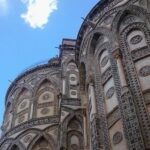
What I think makes this stop valuable is what the guide focuses on: the Cathedral’s bell towers and the way the architecture changed over time. You’ll get a guided explanation of that evolution, which helps you look beyond the surface. Instead of thinking, It looks old, you start noticing why different parts feel like they belong to different eras.
There’s one key rule: you must be in modest clothing to enter. If you’re visiting in summer or after a beach day, plan ahead so you don’t get stuck at the door. If you do meet the modesty requirement, this is one of the strongest “I’m actually in Palermo” moments of the whole tour.
Teatro Massimo: Italy’s largest theater and its eerie stories
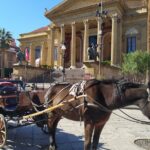
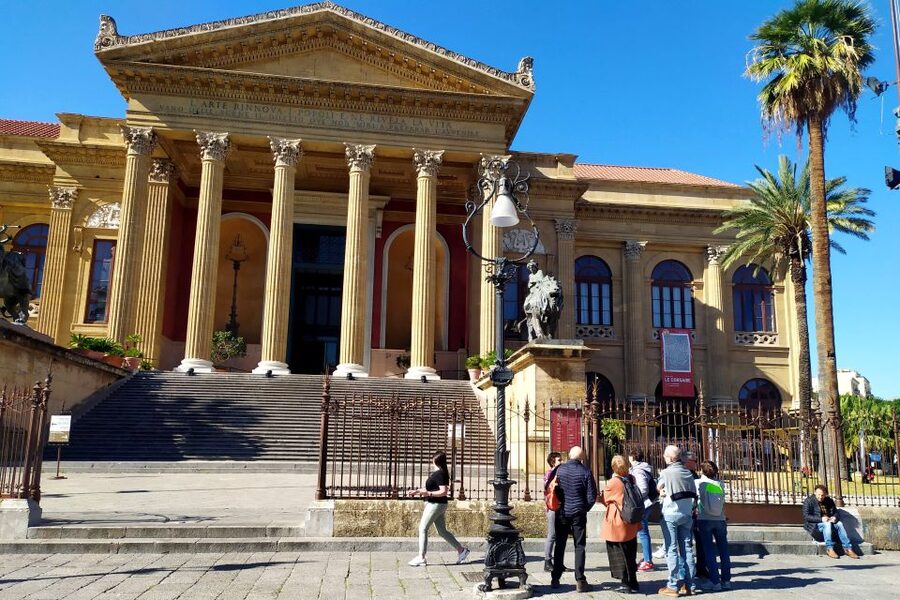
After the Cathedral, you move through the central area toward Teatro Massimo, described on this tour as Italy’s largest theater and a symbol of Palermo. This stop matters because the Theater is more than a landmark—it’s part of the city’s identity.
What you’ll hear here is just as important as what you’ll see. The guide shares ghostly legends connected to the Theater, adding a layer of local folklore that you won’t get from a quick photo. The result is that you can look at the building and also understand why it has a reputation in local storytelling.
If you like architecture but also enjoy a good legend (even the slightly spooky kind), this is one of the stops that keeps your attention from fading. It’s a nice change of pace from purely architectural explanation.
Quattro Canti and Fontana Pretoria: the baroque squares that anchor your map
Next up are two major public spaces that make navigating Palermo feel easier: Quattro Canti and Fontana Pretoria.
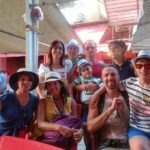
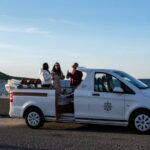
More of Palermo's layered history.
Quattro Canti plaza
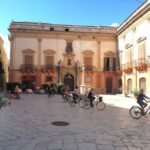
You’ll admire Quattro Canti as a baroque plaza. This is the kind of place where the buildings around the square help you understand how the city is laid out. The guide’s storytelling adds meaning to what could otherwise feel like just another square.
When you see the space in the context of the tour, it becomes a visual anchor. You’ll start to recognize the logic of the streets that connect the monuments.
Fontana Pretoria
Then you’ll be in the Piazza where you can see the imposing Fontana Pretoria. This is a big, unmistakable feature of Palermo’s central area, and it’s ideal for a short stop where you can look, pause, and absorb details without rushing.
The best part of having this on a guided walk is that you’re not standing there wondering, What am I supposed to notice? The tour keeps your attention on why the place matters and how it fits with the rest of the landmarks you’ve already visited.
Beati Paoli and Santa Rosalia: myths that explain the city’s personality
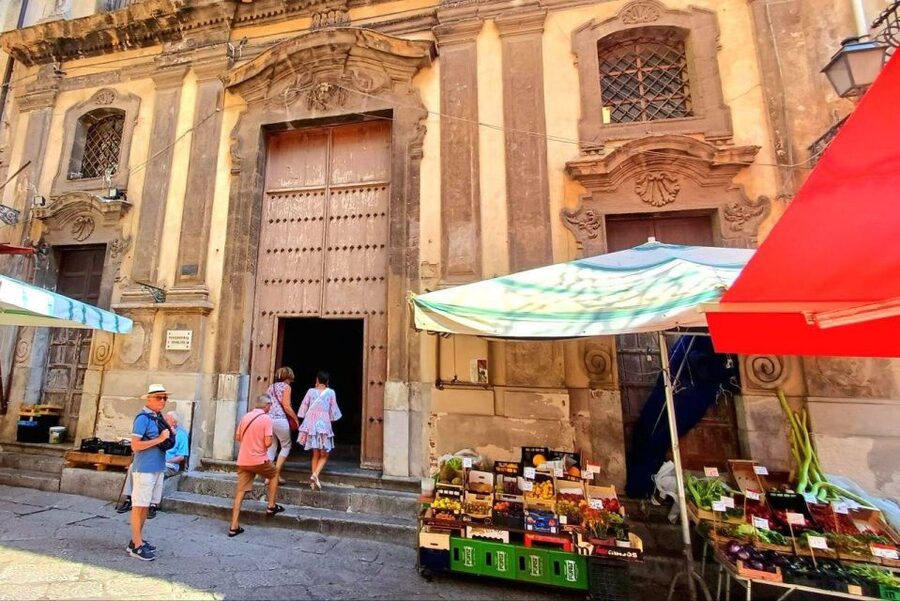
Palermo has a reputation for legends, and this tour gives you a few of the most famous ones at the places where they make sense.
You’ll hear about the mysterious Beati Paoli sect—one of those stories locals use to explain fear, mystery, and underground power in older times. Whether you treat it as folklore or legend, it works as a way to read the city differently. You stop seeing streets as just passageways and start seeing them as spaces that hold memory.
You’ll also learn about Palermo’s patron saint Santa Rosalia, also known as La Santuzza. This adds a human, spiritual layer to the monuments you’re seeing. Instead of only learning about buildings and squares, you’re getting the story of what the city holds sacred.
These myth-and-faith stops are small in time, but they give the tour its emotional tone. They help the city feel like a place with a living imagination.
Capo street market: the best use of your appetite
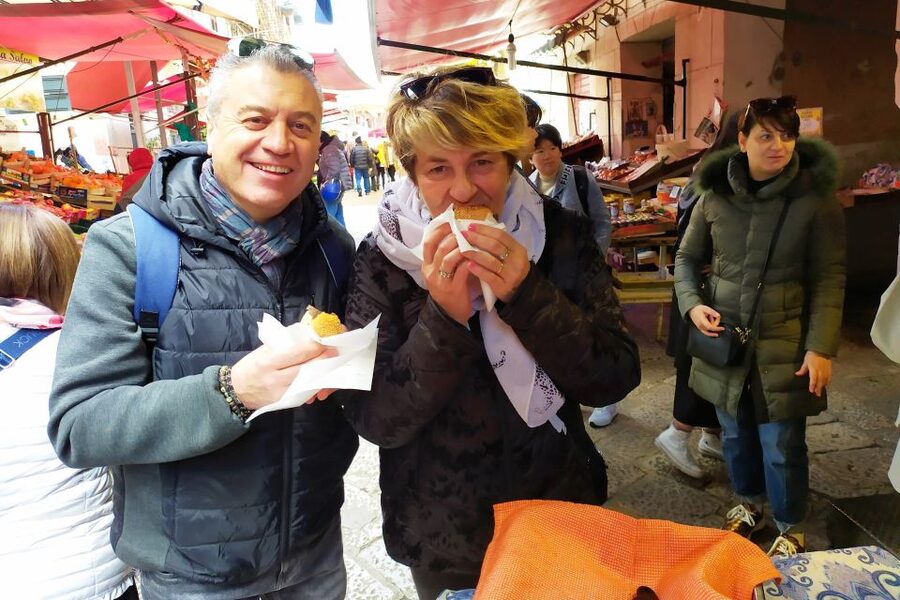
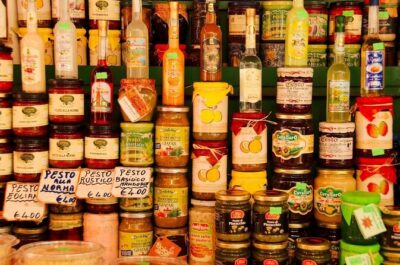
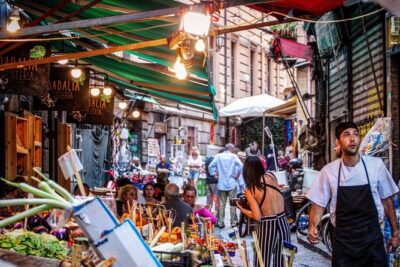
The tour ends in the Capo street market, where you get to slow down and experience Palermo as locals do—through the sounds, colors, and smells of the market street.
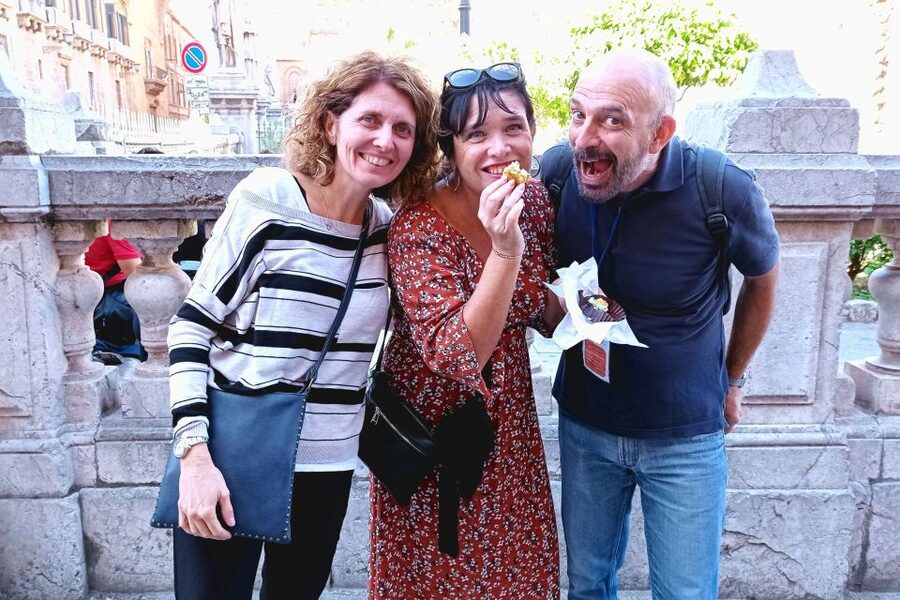
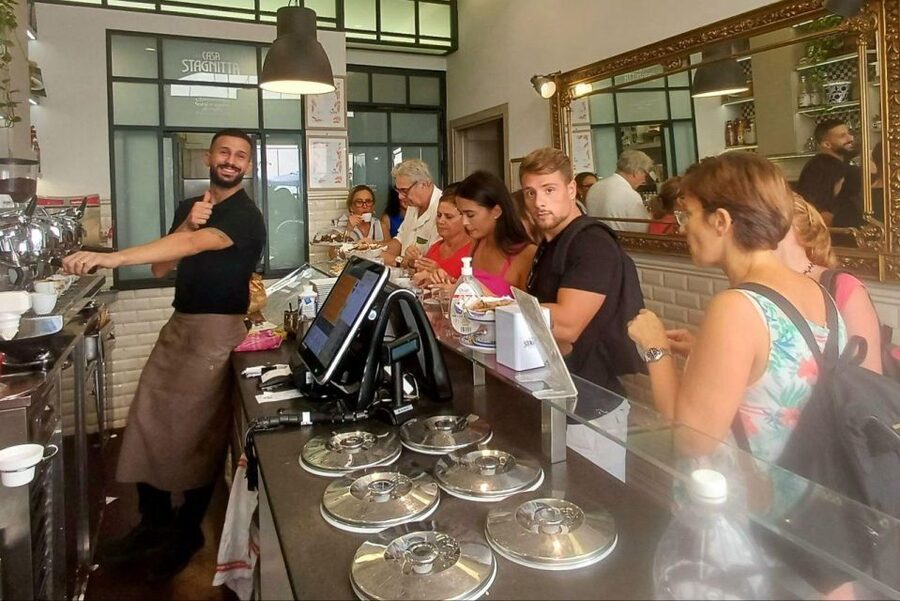
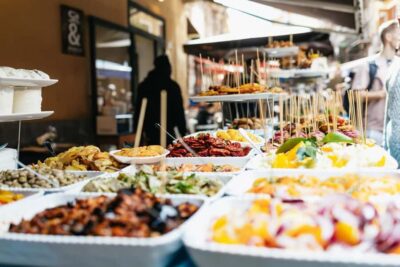
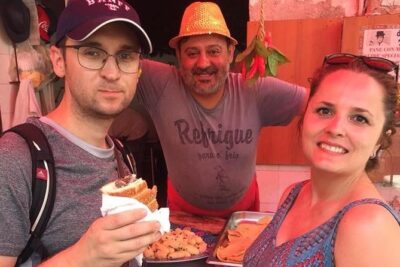
This is where the tour becomes more than monuments. The guide helps you navigate the market world and makes time for you to sample Sicilian street food and pastries fresh from the stalls.
Why this stop is so valuable: markets are how you learn what people actually eat and buy, not what a museum placard tells you to notice. Even if you have limited Italian, the market environment is still easy to enjoy because the food is the language.
Practical note: have comfortable shoes. You’ll likely spend more time walking through dense market space than you expect, and you may want to pause near popular stalls.
Price and what $35 really buys you
At $35 per person for 3 hours, you’re paying for a guided walking route that hits multiple major landmarks and includes the time and direction to enjoy the Capo market. This isn’t just a single monument visit; it’s a curated connection between several key sights in the historic center.
Two things affect value here:
- Entry tickets are not included, so if the Cathedral or other stops require paid entry, you’ll need to cover that separately.
- The tour is in Italian only, which matters if you want the full story behind the legends and architectural changes.
If you’re comfortable walking for a few hours and you like hearing stories attached to what you’re seeing, the price feels fair. If you need English guidance to fully understand the details, the language limitation could reduce your enjoyment.
Who this tour fits best (and who should think twice)
This one is a strong match if you:
- want a focused, efficient way to see central Palermo in about half a day
- like historic buildings plus local stories like Beati Paoli and Santa Rosalia
- enjoy food stops, especially market-style street food and pastries
- appreciate professional guiding that can keep a group engaged for 3 hours
It may be less ideal if you:
- need the tour explained in English (it’s Italian only)
- can’t meet the Cathedral requirement for modest clothing
- prefer sightseeing without walking and without guided narrative
The guide makes a real difference on this route
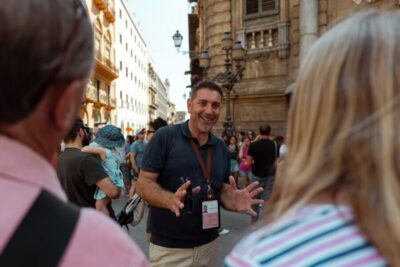
A lot of tours have a guide. This one seems to have the kind that people remember. In the feedback, guides like Claudio and Fabrizio show up repeatedly with mentions of being professional, enthusiastic, and genuinely good at explaining what you’re seeing—so the time doesn’t drag.
That matters because Palermo rewards attention. If you show up and only read plaques, you’ll get facts. With a strong guide, you get meaning—why these places are connected, and how legends thread through the city’s identity.
Should you book Palermo a Piedi’s Historic Markets and Monuments tour?
If you want one well-paced route that connects Palermo’s big landmarks with its living market culture, I’d say yes. The mix of Cathedral architecture, Teatro Massimo legends, Quattro Canti and Fontana Pretoria landmarks, and the Capo street market food time is a smart use of 3 hours.
I’d especially recommend it if you like your history with stories and your sightseeing with snacks. Just double-check two things before booking: you’re comfortable with Italian-only narration, and you can dress modestly for the Cathedral.
If those fit, this is the kind of walking tour that helps Palermo stick in your head for more than a day.
FAQ
What language is the tour in?
The tour is in Italian only.
Where is the meeting point?
Meet in front of the library Feltrinelli. The guide will be wearing a red tag that says tour guide.
How long is the walking tour?
It lasts about 3 hours.
Are entry tickets included?
No. Entry tickets are not included.
What should I bring or wear?
Bring comfortable shoes. For the Cathedral visit, you must wear modest clothing.
What’s included in the $35 price?
The guided walking tour and a professional tour guide are included.
Can I cancel for a refund or reserve without paying right away?
Yes. You can cancel up to 24 hours in advance for a full refund, and you can reserve now & pay later (you pay nothing today).
More Palermo History Tours
More Tour Reviews in Palermo

More Palermo Old Town Walks
After something else? More tours and day trips around Palermo and western Sicily




Palermo Historic Center Walking Tours, compared.
 ★ 4.8NO Mafia Walking TourFrom $402,431 reviews
 ★ 5.0Palermo Original Street Food Walking Tour by StreatyFrom $832,105 reviews
 ★ 4.9Street Food and History Walking TourFrom $541,294 reviews
 ★ 5.0Palermo No Mafia walking tour: discover the Anti-mafia culture in SicilyFrom $391,011 reviews
 ★ 4.7Private Custom Walking Tour with Local GuideFrom $53661 reviews
 ★ 4.9Street Food Walking Tour with Local Guide & TastingFrom $52632 reviews
 ★ 5.0Palermo Walking Tour and Street FoodFrom $48617 reviews
 ★ 4.8UNESCO World Heritage Sites Guided Walking TourFrom $41548 reviews
Browse the lists this tour appears in