
Reviewed · PALERMO HISTORIC CENTER WALKING TOURS
Palermo: three-hour private city tour
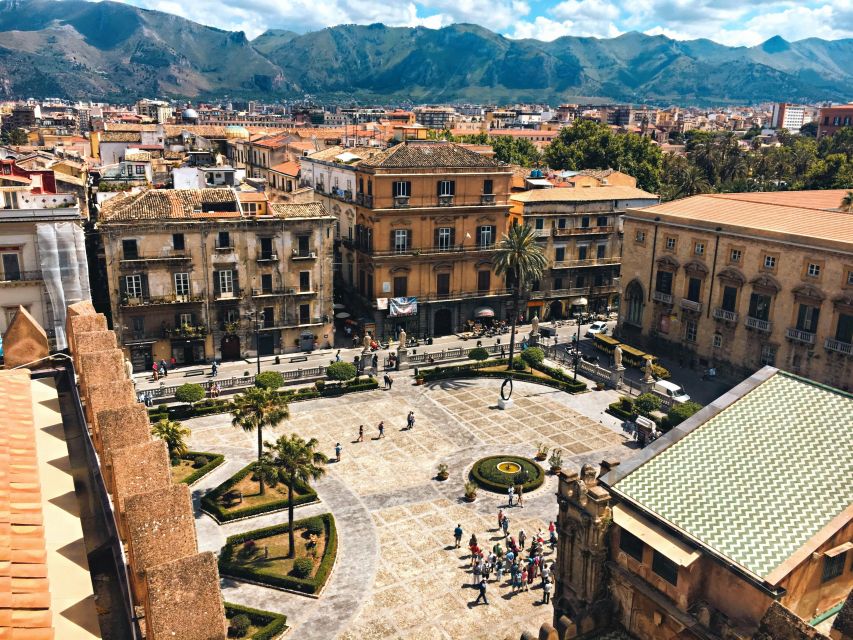
Palermo hits fast, even in three hours. This private walk is built for short time, with a tight route that shows Palermo’s major landmarks and the city’s food-and-flower energy—think oranges and lemons in the air.
I especially love the way the tour connects big-name places to real people and stories: Teatro Massimo ties to the Florio family, while the Arab-Norman cathedral anchors the faith and devotion of Palermo with relics of Santa Rosalia. You also get a strong sense of the city’s center through Quattro Canti and the monumental Fontana Pretoria.
One consideration: it’s only three hours, so you’ll get guided highlights, but not long, deep stays inside every site. Wear comfortable shoes, because the route is mostly a guided walk through the historic center.
In This Review
- Key highlights worth prioritizing
- Why a private 3-hour Palermo loop is the smart call
- Starting at Teatro Massimo: the Florio story you’ll remember
- Piazza Giuseppe Verdi: a quick orientation checkpoint
- Santa Maria Assunta: Arab-Norman architecture and devotion to Santa Rosalia
- Quattro Canti: the center of Palermo with a darker edge
- Fontana Pretoria: the Fountain of Shame and its 622-piece journey
- Mercato del Capo: smells, shouts, and the best reason to stay hungry
- What’s included after the main sights
- Pace, meeting point, and what to bring so it feels easy
- Price and value: is $220.91 per person worth it?
- Who this tour suits best
- Should you book this Palermo private city tour?
- FAQ
- FAQ
- Where does the tour start and end?
- How long is the Palermo private city tour?
- What sights are included in the tour?
- What languages are available for the live guide?
- Is the tour private and wheelchair accessible?
- What should I bring?
Key highlights worth prioritizing
- Teatro Massimo: see the elegant landmark linked to the Florio family’s 19th–20th century influence
- Santa Maria Assunta: meet the Arab-Norman cathedral and hear about Santa Rosalia’s relics
- Quattro Canti: understand the “center” feeling of Palermo, plus the darker story tied to condemned prisoners
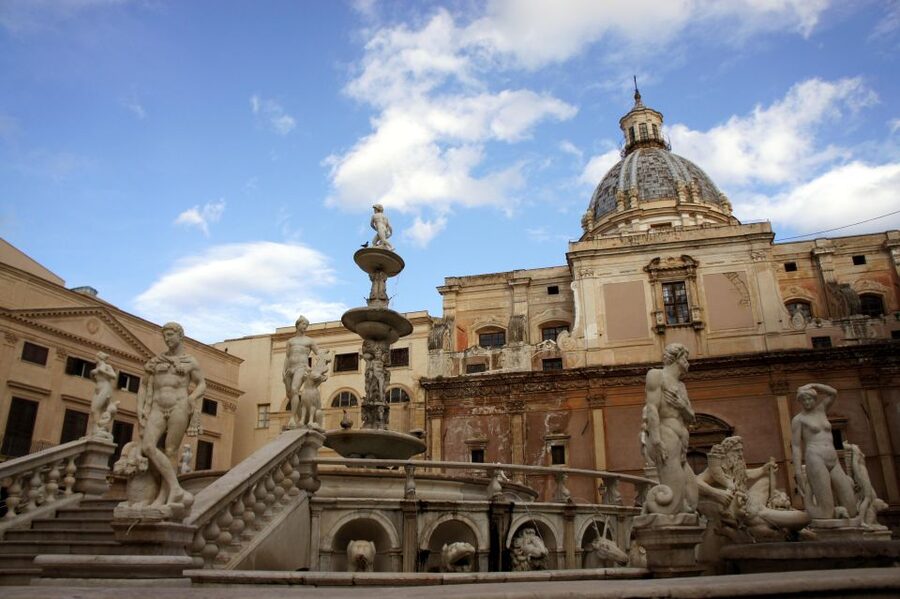
- Fontana Pretoria (Fountain of Shame): spot Europe-class scale, with the 622-piece shipment detail from Florence
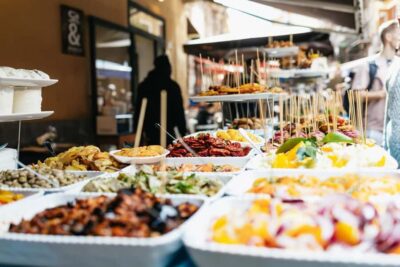
- Mercato del Capo: smell the market and taste the range of classic Palermo street food, from arancini to cannoli
Why a private 3-hour Palermo loop is the smart call
If your cruise port (or train timing) gives you limited time, this kind of private tour can be a lifesaver. You’re not trying to “tour Palermo” all by yourself with a half-charged phone battery and a map that keeps lying. Instead, you follow a clear plan and hit the big emotional beats: grand architecture, local devotion, and market life.
I like that the pacing is built around short guided walks, with you moving from one major stop to the next. Each location gets enough time for context, photos, and questions, without forcing you into a day-long schedule.
And because it’s private, it’s easier to match the tour to your energy. You can keep the pace brisk, slow down for a photo, or ask practical “how do we reach this later” questions—especially since the guide also points out what you can access independently afterward if you want more.
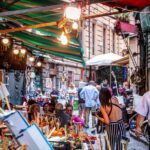
More of the old centre on foot, from the Quattro Canti to the markets.

Starting at Teatro Massimo: the Florio story you’ll remember
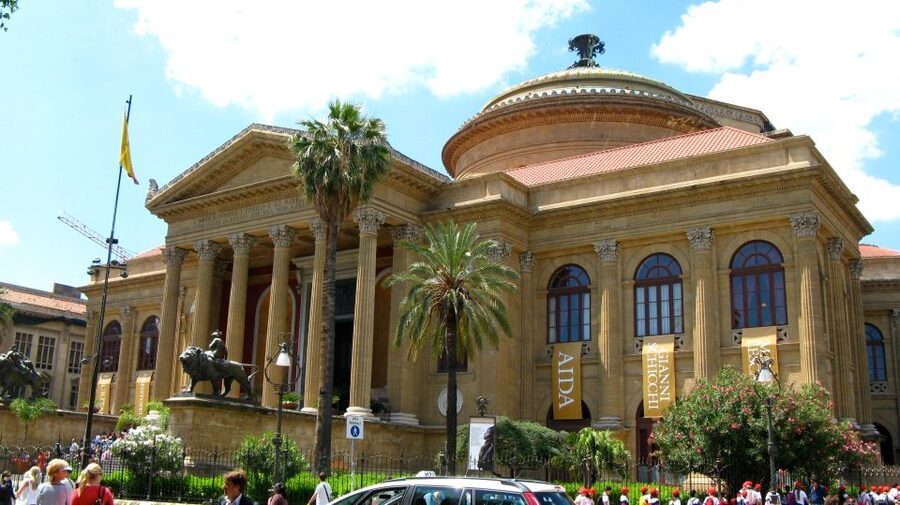
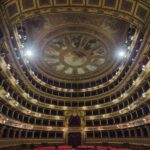
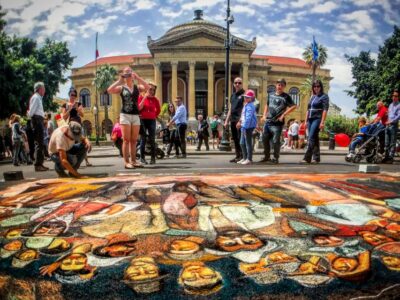
Your tour begins in front of Teatro Massimo, in Giuseppe Verdi Square. This is a great opener because Teatro Massimo isn’t just a pretty facade. It’s tied to the Florio family, the famous shipowners and industrialists who shaped Italy between the nineteenth and twentieth centuries.
That connection matters because Palermo often gets flattened into “historic city” and “street food.” Teatro Massimo gives you a different angle. It shows wealth, industry, and ambition, all wrapped around a landmark that feels elegant and important even from the sidewalk.
Tip for your first minutes: look up before you look at the door. The building’s presence is part of the lesson, and it sets the tone for everything else you’ll see.
Piazza Giuseppe Verdi: a quick orientation checkpoint
Next comes Piazza Giuseppe Verdi. You’ll get a guided walk here for about 30 minutes, and it’s essentially your orientation stop—both for geography and for mood.
Why this works: Palermo is best understood as a set of connected nodes. Once you know where Verdi Square sits in relation to the next stops, Quattro Canti and Fontana Pretoria feel less random. You start seeing the city’s layout as something intentional, not just “old streets.”
If you like to travel with confidence, this is the kind of stop that pays off later, when you’re wandering on your own.
Santa Maria Assunta: Arab-Norman architecture and devotion to Santa Rosalia
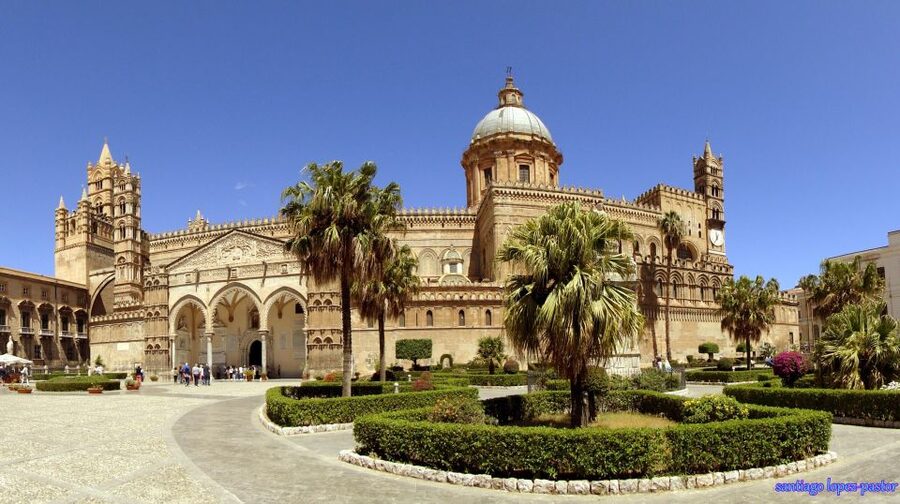
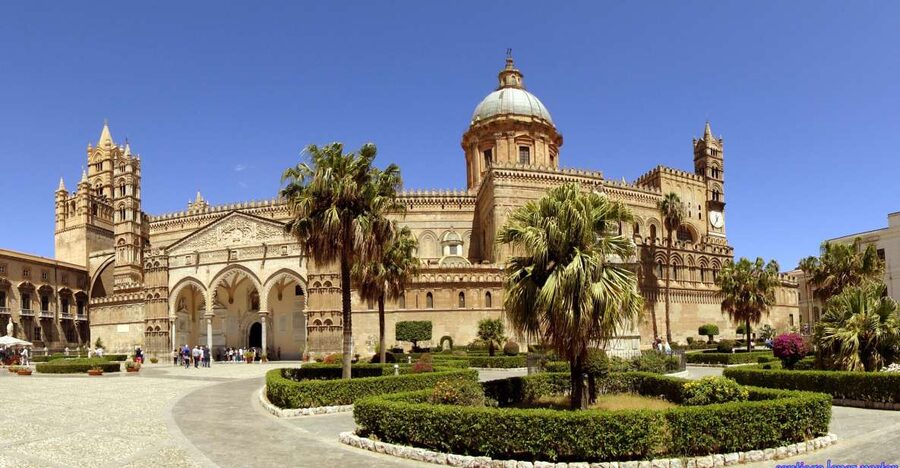
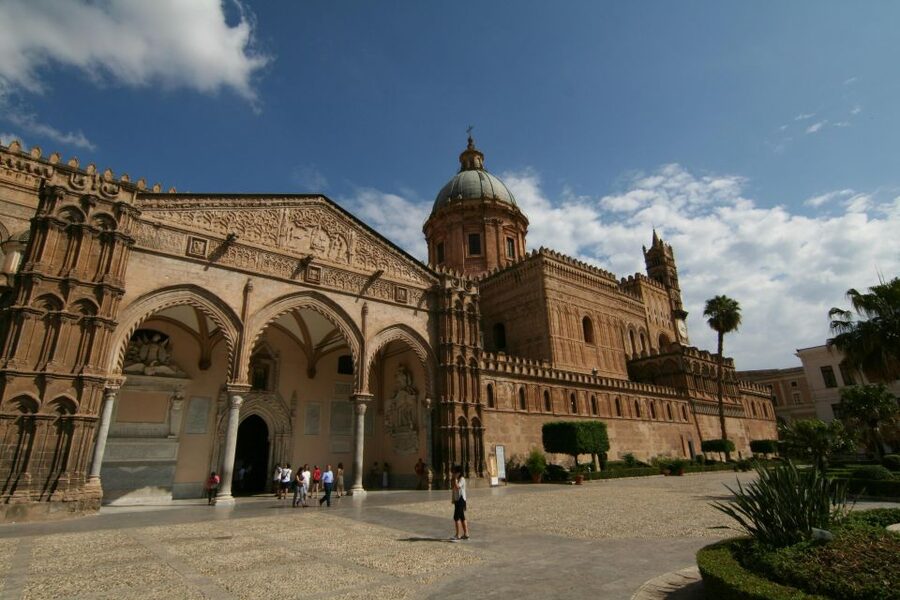
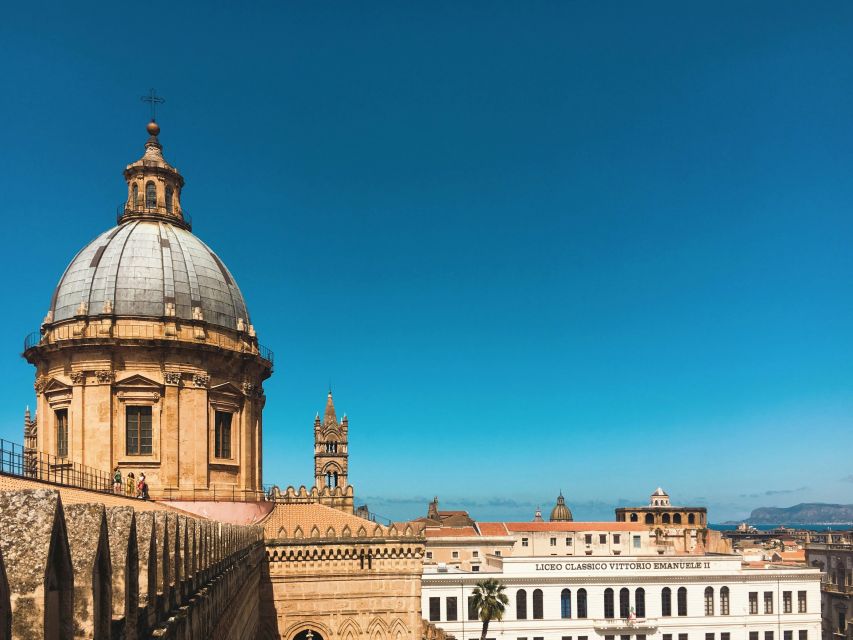
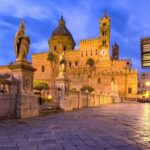
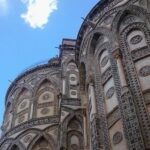
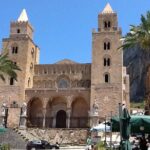
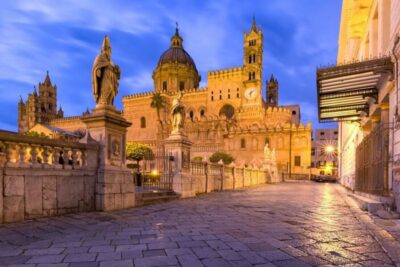
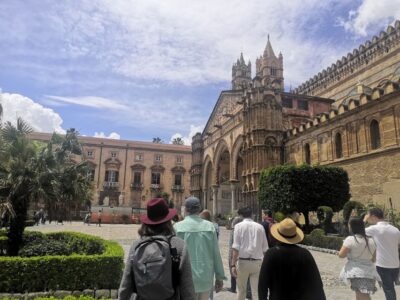
Then you reach the Arab-Norman cathedral dedicated to Santa Maria Assunta. This is one of the tour’s core moments, and you’ll spend around 30 minutes there.
Here’s what makes it special: you’re not just looking at a church. You’re learning how Palermo’s religious life is tied to the relics of Santa Rosalia, the patron saint of Palermo. That devotion isn’t an abstract detail. It helps explain why locals care about the cathedral beyond its architectural style.
This stop is also a good reminder that Palermo’s identity is layered. Arab-Norman influences mixed with local faith gives you a city that doesn’t fit into one neat historical box.
Practical note: plan to dress respectfully for church interiors, and take your time reading what you can. Even if you don’t catch every line, the guide’s context helps you understand what you’re looking at.
Quattro Canti: the center of Palermo with a darker edge
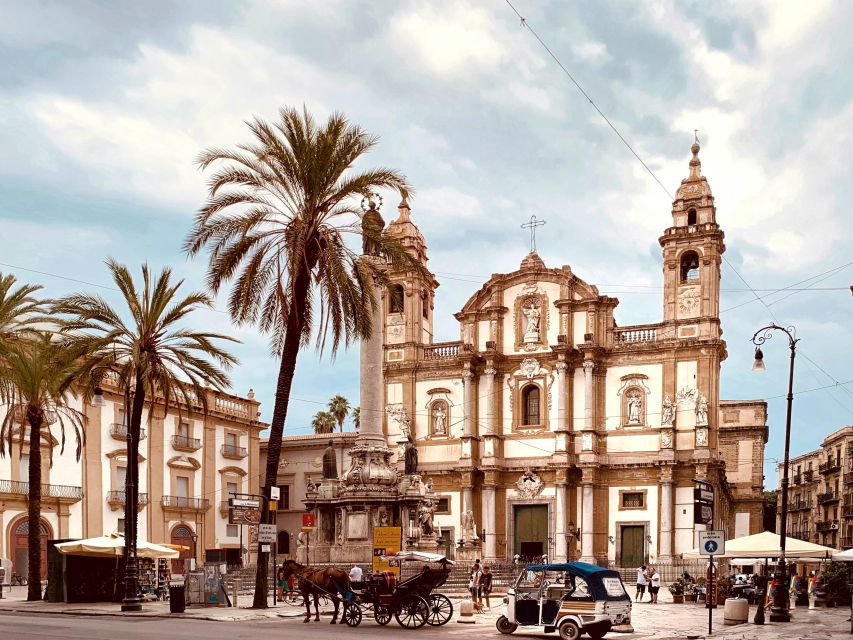
After the cathedral, the tour heads to Quattro Canti. You’ll get guided time here for about 30 minutes.
Quattro Canti is often described as mysterious, and you’ll hear why. This square is considered the ideal center of Palermo, and in each corner there’s a fountain with a seventeenth-century statue. It’s visually striking. But it also carries a darker story: it’s connected to where the lives of those condemned to death ended.
That mix is what I find compelling. Palermo doesn’t shy away from the full range of history—beauty and consequence in the same breath. Standing in Quattro Canti, you get a sense of how the city’s “main meeting point” can hold both celebration and penalty in its past.
If you’re the type who likes learning place names, this is the moment to slow down. Quattro Canti is one of those addresses you’ll keep hearing and seeing again once you’ve got the “center” map in your head.
More ways to get the measure of Palermo.
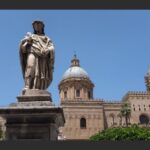

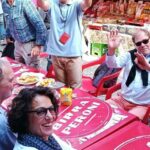
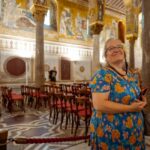
Fontana Pretoria: the Fountain of Shame and its 622-piece journey
Next is Fontana Pretoria, also called the Fountain of Shame. This is another ~30-minute stop, and it’s a big one.
You’ll hear an eye-catching story: the fountain was built in Florence in the sixteenth century, then shipped to Palermo in 622 pieces. That’s an unusual level of logistics for a monumental artwork, and it instantly makes the fountain feel more than decorative. It’s a physical message of ambition, movement, and power—transported piece by piece into the city’s layout.
The tour also helps you see the scale quickly. Fontana Pretoria is described as one of the largest and most monumental fountains in Europe, and that reputation holds once you’re standing close enough to feel how much is happening around you.
What you should do here: don’t rush the full circle. Give yourself a moment to scan the entire fountain area, because the details aren’t only in one direction.
Mercato del Capo: smells, shouts, and the best reason to stay hungry
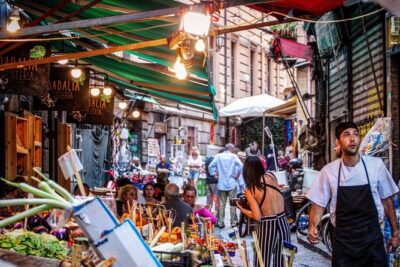
The final major stop is Mercato del Capo, one of Palermo’s most famous markets, with guided time around 30 minutes.
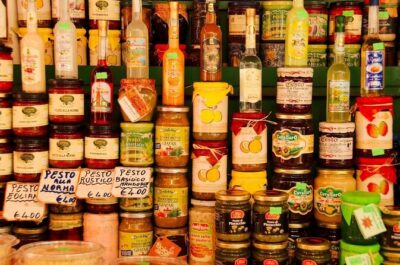
This is where the tour shifts from landmark storytelling to the city’s sensory life. You’ll learn why Capo is famous for its flavors and smells, plus the shouts of merchants and the range of typical local products.
The tour focuses on classic Palermo bites, including:
- panelle
- crocchè
- arancini
- cannoli
- fresh baked vegetables
- quarume (veal entrails)
- a sandwich with meuza (spleen)
Even if you’re not planning to eat everything, I love that the market segment doesn’t pretend Palermo’s cuisine is one-note. It shows what’s truly local, including the items that some visitors hesitate to try. Your guide’s context helps you decide what sounds good to you, not what someone else thinks you should taste.
One smart approach: consider Capo as a sampler opportunity, not a single meal. You’ll get more out of it that way, especially on a three-hour schedule.
What’s included after the main sights
This tour doesn’t end at just “photo stops.” You’ll also hear about external noble palaces, churches, and catacombs, plus how you can access them independently if you have time and want deeper information.
That matters because Palermo rewards wandering, but only if you know what you’re looking at. The guide’s “here’s how to find it later” guidance helps you turn a short tour into a longer day on your own.
So at the end, you’re not left with a generic checklist. You’ve got a set of follow-up targets, and you’ll know how to approach them with more confidence.
Pace, meeting point, and what to bring so it feels easy
This is a private group tour lasting about 3 hours. Start time depends on availability, and it runs from the meeting point back to the same spot: in front of Teatro Massimo, Giuseppe Verdi Square.
Because this is a walk-focused experience, you’ll be happier if you plan for short legs and steady steps. Bring comfortable shoes. Even in good shoes, the historic center can add up.
You’ll also want an ID or passport (a copy is accepted). It’s the kind of small item that can save you from last-minute stress when you’re meeting up quickly.
Price and value: is $220.91 per person worth it?
At $220.91 per person for a three-hour private tour, the price isn’t low. But value in Palermo often comes from a guide who can connect the dots—architecture to stories, and the city layout to what you can still do after.
Here’s what you’re paying for, in practical terms:
- A local expert guide delivering context at each stop (not just “walk here, photo, next”)
- A route that hits the essentials fast: Teatro Massimo, Santa Maria Assunta, Quattro Canti, Fontana Pretoria, and Mercato del Capo
- A private format where you can ask questions and adjust pace
- Multiple language options, with guides available in English, French, German, Italian, Spanish
If you’re traveling with someone you want to tour alongside, private format can actually be cost-efficient versus hiring separate help or trying to scramble with limited time. If you’re solo and you’re on a tight budget, you might compare against group tours. But if you care about getting your bearings quickly and understanding Palermo’s layers—this price starts to make sense.
Who this tour suits best
This tour fits best if:
- you have limited time in Palermo and want a structured, high-impact route
- you like seeing major sights with real context, especially religious history and city symbolism
- you want a market stop that’s more than just wandering—you’ll get help interpreting what you see and what locals actually eat
It’s also a solid fit for travelers who prefer a calmer plan. The route is guided and timed, not “good luck out there.”
Should you book this Palermo private city tour?
I’d book it if you want a short, well-told Palermo with a guide who makes the city legible. You get the big visual anchors—Teatro Massimo, Santa Maria Assunta, Quattro Canti, Fontana Pretoria—then you finish where Palermo feels real at ground level: Mercato del Capo.
Skip it only if you’re the type who hates structured tours and wants total freedom, or if your priority is spending long hours inside museums and churches. This is a highlights-and-context tour. It’s designed to leave you confident, not exhausted.
FAQ
FAQ
Where does the tour start and end?
It starts in front of Teatro Massimo, Giuseppe Verdi Square, Palermo, and ends back at the same meeting point.
How long is the Palermo private city tour?
The tour lasts 3 hours (exact start times depend on availability).
What sights are included in the tour?
You’ll see Teatro Massimo, Piazza Giuseppe Verdi, the Arab-Norman cathedral dedicated to Santa Maria Assunta (with relics of Santa Rosalia), Quattro Canti, Fontana Pretoria, and Mercato del Capo.
What languages are available for the live guide?
The live guide is available in English, French, German, Italian, and Spanish.
Is the tour private and wheelchair accessible?
Yes. It’s a private group experience and is listed as wheelchair accessible.
What should I bring?
Bring comfortable shoes and a passport or ID card (a copy is accepted).
If you want, tell me your cruise/arrival time (or when you’ll be in Palermo), and I’ll help you think through whether the 3-hour window is the right fit for your day.
More Sightseeing Days in Palermo
More Tour Reviews in Palermo
More Palermo Old Town Walks
After something else? More tours and day trips around Palermo and western Sicily




Palermo Historic Center Walking Tours, compared.
 ★ 4.8NO Mafia Walking TourFrom $402,431 reviews
 ★ 5.0Palermo Original Street Food Walking Tour by StreatyFrom $832,105 reviews
 ★ 4.9Street Food and History Walking TourFrom $541,294 reviews
 ★ 5.0Palermo No Mafia walking tour: discover the Anti-mafia culture in SicilyFrom $391,011 reviews
 ★ 4.7Private Custom Walking Tour with Local GuideFrom $53661 reviews
 ★ 4.9Street Food Walking Tour with Local Guide & TastingFrom $52632 reviews
 ★ 5.0Palermo Walking Tour and Street FoodFrom $48617 reviews
 ★ 4.8UNESCO World Heritage Sites Guided Walking TourFrom $41548 reviews
Browse the lists this tour appears in