
Reviewed · PALERMO HISTORIC CENTER WALKING TOURS
Palermo: Markets and Monuments City Center Walking Tour
Palermo rewards slow walking. This tour strings together Palermo Cathedral and the Capo street market with a guide who keeps the focus on what you’re seeing. I like that the route mixes big-name monuments with everyday street life, and you get a clear story as you move. One thing to plan for: the cathedral has a strict dress code, and you’ll be on your feet a lot.
What makes this work for real travel days is the pacing. You start with Teatro Massimo, then work your way through Norman-era churches and major palaces, finishing in the heart of historic Palermo at Quattro Canti. And with Cavallaro Fabrizio leading, you’re not just watching landmarks—you’re getting smart, not-overwhelming explanations and helpful suggestions.
The other “heads-up” is simple: the tour includes the Palermo Cathedral entrance, but other monuments and museums aren’t included, and food/drinks are on you.
In This Review
- Key things that make this tour worth your time
- Walking Palermo’s center in 2–3 hours (without missing the big stuff)
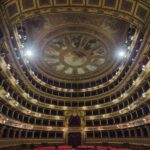
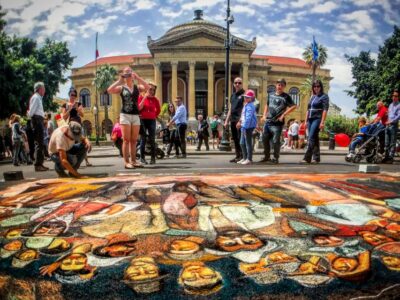
- Teatro Massimo: start where Palermo’s opera life begins
- Palermo Cathedral: where the dress code actually matters
- Capo street market: smell the city and choose your snacks
- Quattro Canti: the baroque four-corner junction you can’t ignore
- Palazzo Pretorio and Fontana Pretoria: the square of shame in daylight
- Norman Sicily church time: San Cataldo and Martorana
- Logistics that keep the tour pleasant (not exhausting)
- Price and value: what $41 buys you in central Palermo
- Who should book this Palermo markets and monuments tour?
- Should you book the Palermo markets and monuments tour?
- FAQ
- How long is the Palermo markets and monuments city center walking tour?
- How much does the tour cost?
- What’s included in the price?
- What’s not included?
- Where does the tour start and where does it end?
- Do I need to follow a dress code for the cathedral?
- Can I bring luggage or large bags?
Key things that make this tour worth your time
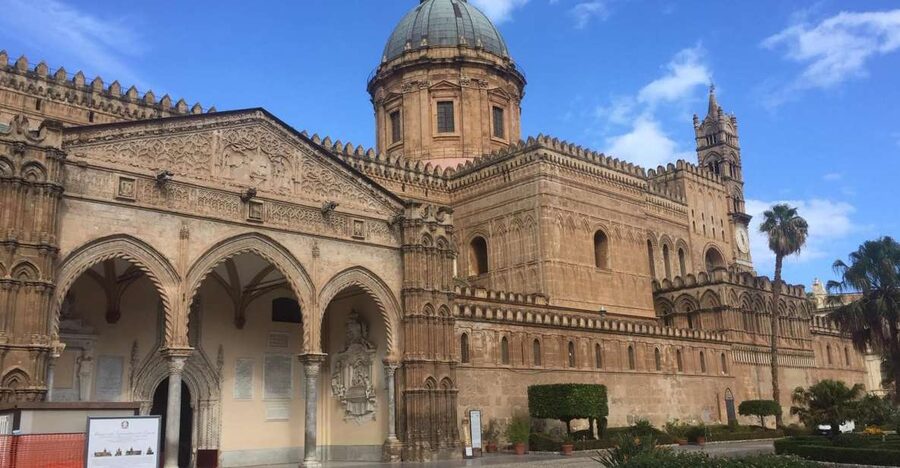
- Palermo Cathedral interior visit with your entrance included
- Capo street market stops where you can browse and buy local snacks
- Norman-era highlights at San Cataldo and Martorana Church
- Pretoria Square and Fontana Pretoria (locals call it the square of shame)
- Teatro Massimo storytelling about Italy’s largest opera house and its acoustics
- Guide quality: Cavallaro Fabrizio is known for being punctual and ready with clear explanations
Walking Palermo’s center in 2–3 hours (without missing the big stuff)
A good city-center walking tour has one job: help you get your bearings fast, then point out what matters once you’re standing there. This one does that by keeping the route tight around Palermo’s most recognizable anchors—major churches, baroque corners, and the old-market streets—while staying short enough for a half-day plan.
At about 2–3 hours, it’s a nice fit when you’re doing a busy itinerary or when Palermo is just one stop on a longer Sicily trip. You’ll spend enough time at the major sites to feel like you understand them, but not so long that your legs (and patience) start to protest. You’re walking through central neighborhoods where daily life is part of the show. That means you’ll see the city as it functions, not as a museum set.
The value is also practical: the price is $41 per person, and you get a professional guide plus entrance to Palermo Cathedral. Food and drinks are not included, so you’ll decide on your own street-snack budget (more on that below).
More of the old centre on foot, from the Quattro Canti to the markets.

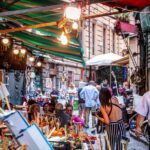
Teatro Massimo: start where Palermo’s opera life begins
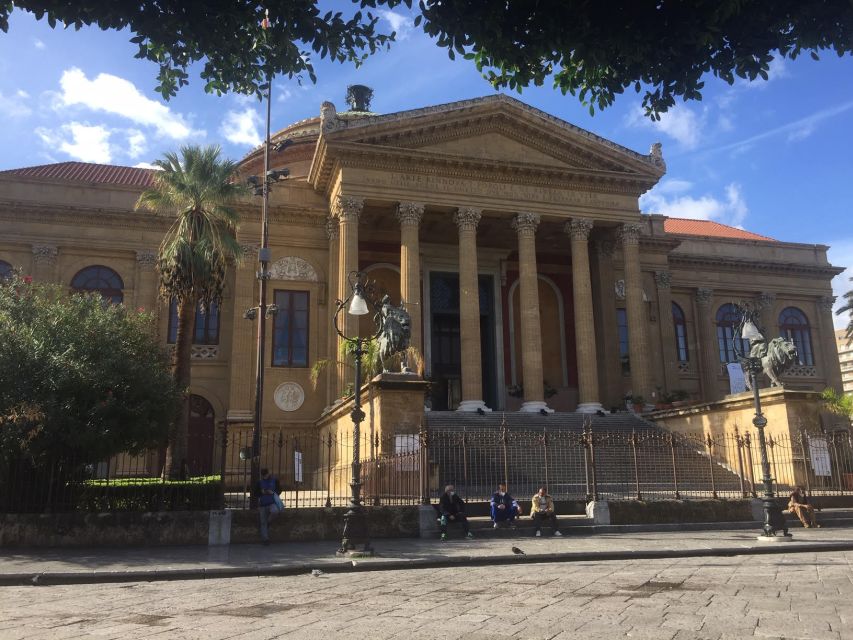
The tour begins with Teatro Massimo, and that’s a smart choice because it sets context for what you’re about to see. You learn about the theater as Italy’s largest opera house and hear why people talk about its perfect acoustics. Even if opera isn’t your thing, the building is a major Palermo landmark—and starting here helps your brain switch into “history and art mode” early.
From there, you move toward the old core of the city. You’ll pass key streets and neighborhoods along the way, and that “in-between” walking is part of the experience. In Palermo, streets aren’t just routes; they’re how the city breathes. The guide uses those moments to connect architecture, power, and culture—so the next stops land with more meaning.
If you’re curious about why Palermo’s monuments look the way they do (instead of just wanting photos), this opening is useful. It gives you a lens before you step into churches and palaces.
Palermo Cathedral: where the dress code actually matters
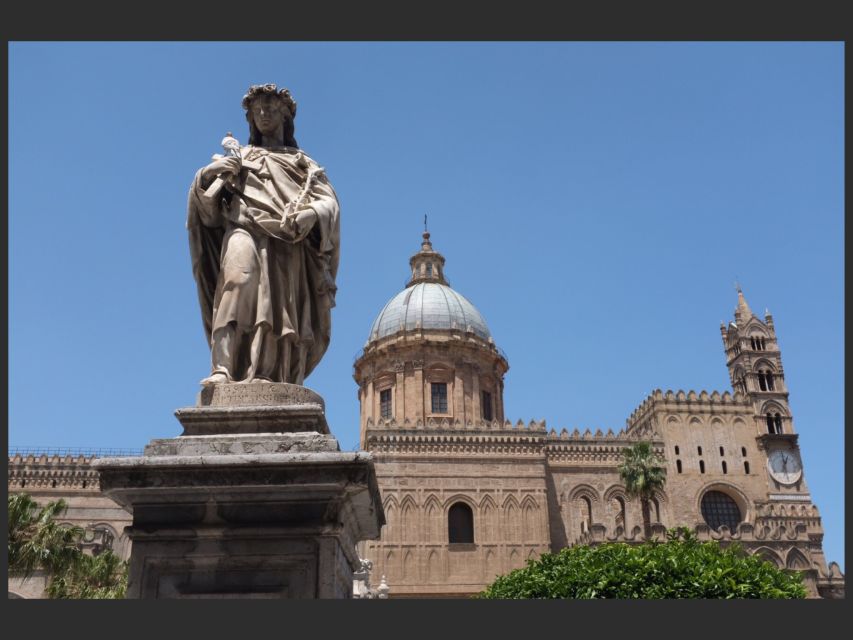
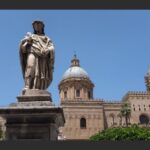
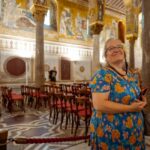
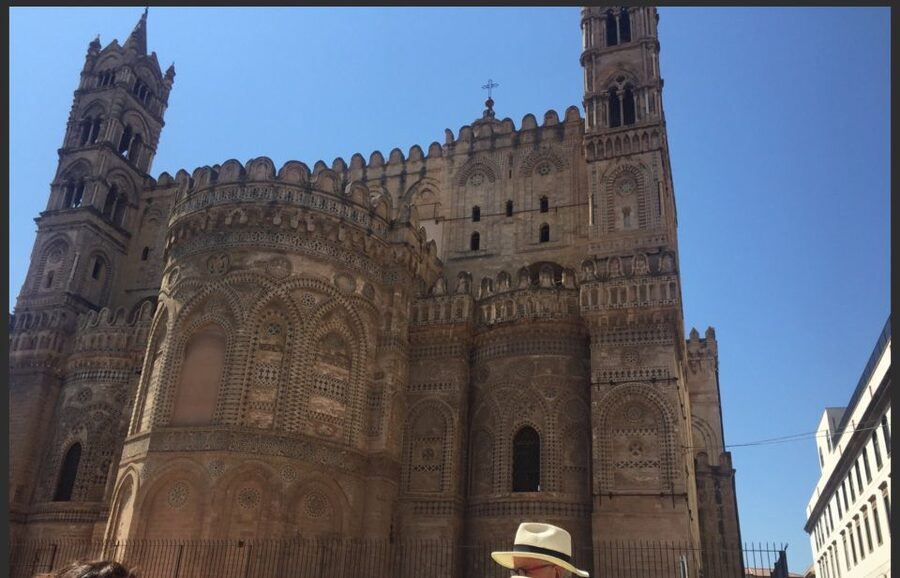
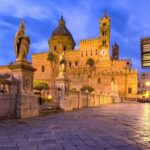
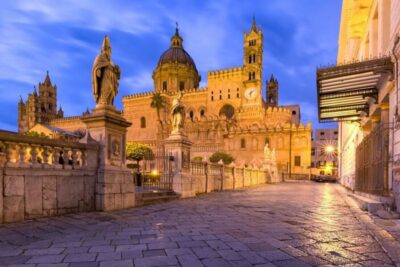
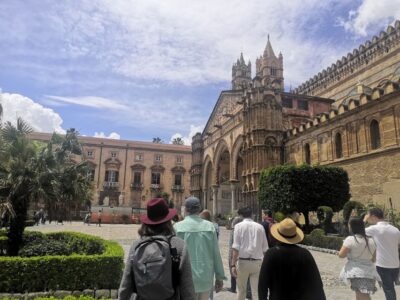
Palermo Cathedral is the main event, and this tour gives you entrance to go inside. The cathedral dates from the 12th century and is part of UNESCO World Heritage listings. That combination matters. You’re not just looking at a pretty church—you’re stepping into a place that sits at the crossroads of centuries and styles.
Before you go in, you need to think about clothing. Men cannot wear shorts or tank tops; bermudas and T-shirts are allowed. Women cannot wear shorts, miniskirts, or tops; bermuda shorts and T-shirts are allowed. Shoulders and legs need coverage, and at the entrance you can buy a light jacket for €1 to cover up.
This is the one part where your planning affects your comfort. If you arrive in the wrong outfit, you’ll lose time (and energy) fixing it. If you arrive prepared, you’ll get right into the interior experience. I also like that the tour doesn’t treat the cathedral as a quick stop. You spend time inside, so it feels like a real visit, not a photo dash.
Capo street market: smell the city and choose your snacks
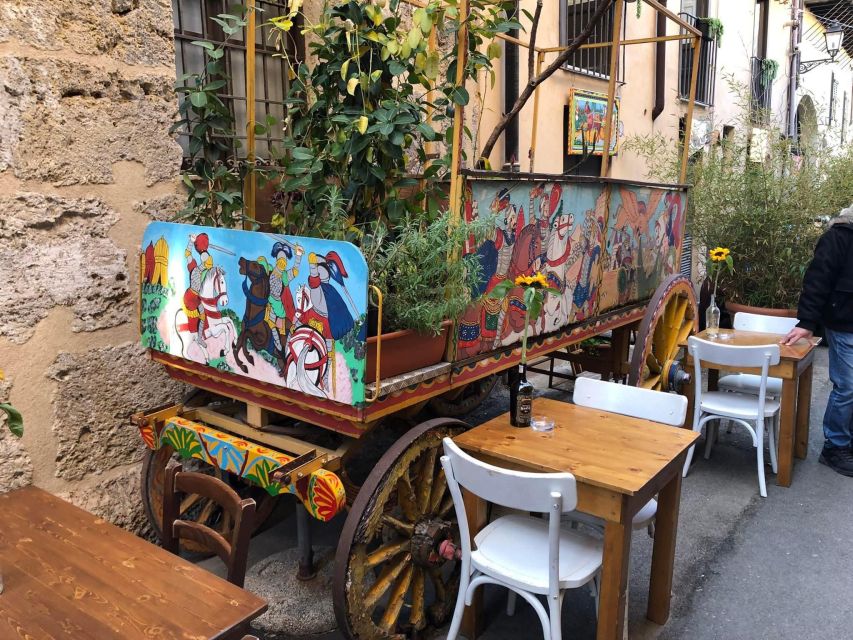
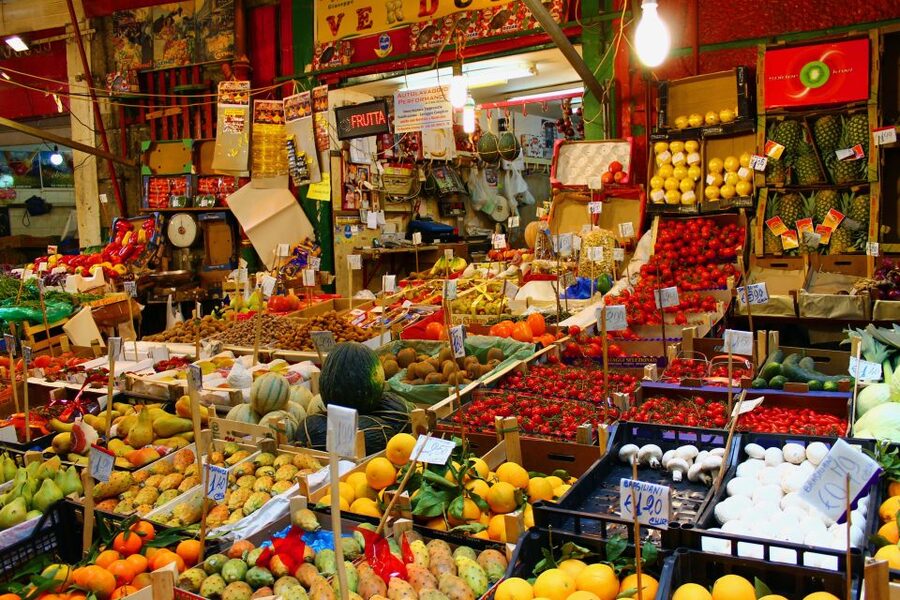
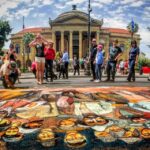
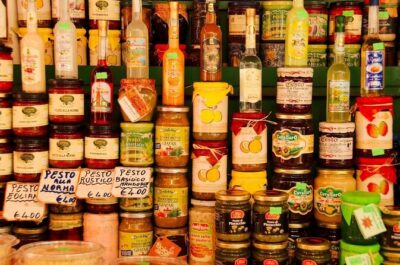
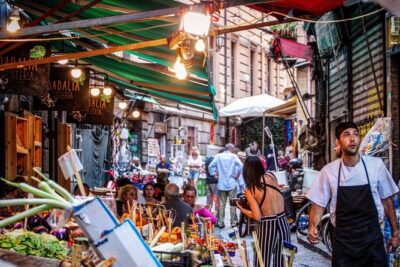
After the grand architecture, you head into Capo street market, and it’s a shift in tone in the best way. This is where you get Palermo’s street-level energy: textiles, colorful foods, and the real rhythm of people buying, chatting, and cooking at the pace of the neighborhood.
You’re guided through the market area, but the goal isn’t to keep you herded. The guide helps you notice what you would otherwise miss: what’s popular, what’s regional, and how street food fits into everyday life. You’ll also get time to browse and weave among the stalls.
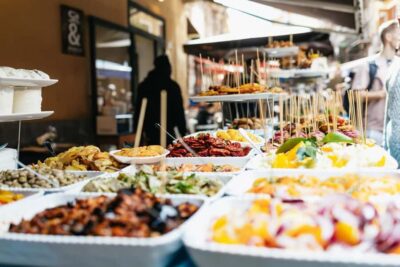
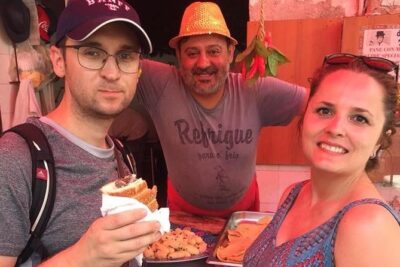
Most tours stop at a viewpoint. This one actually points you toward food choices. You’ll have the chance to buy and taste classic Palermo street snacks, including:
- panelle
- crocché
- sfincione
- arancina
What to expect here is simple: you don’t need to order everything. Pick one or two items and keep moving. Street food is meant to be eaten while you walk and talk. Come hungry, but don’t overbuy—markets are more fun when you stay flexible.
Quattro Canti: the baroque four-corner junction you can’t ignore
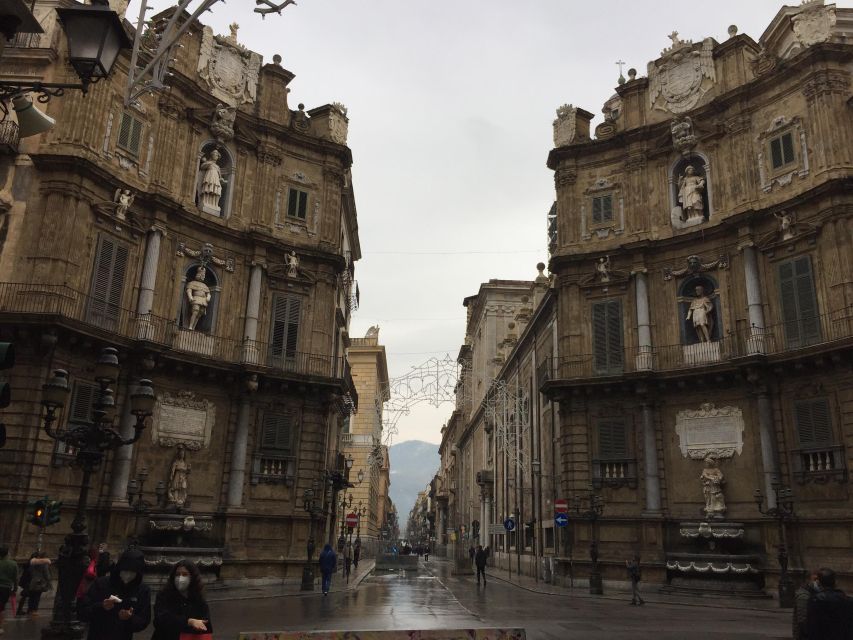
The tour finishes in the exact center of historic Palermo at Baroque Villena Square, also called Quattro Canti (Four Corners). This is a classic Palermo “I get it now” moment: four street corners meeting like a stage set, decorated in baroque style, built in the early 1600s at the crossing of Corso Vittorio Emanuele and Via Maqueda.
Even if you only know Palermo from photos, Quattro Canti is one of those places that instantly looks right. It’s where the city’s layout becomes obvious, and it’s also where your walking tour has a clean ending. After churches and markets, you’re back in an organized visual space, and it helps you connect the dots between streets, landmarks, and the larger story the guide has been telling.
If you want an easy photo stop with context (not just a pretty corner), this is it.
More ways to get the measure of Palermo.

Palazzo Pretorio and Fontana Pretoria: the square of shame in daylight
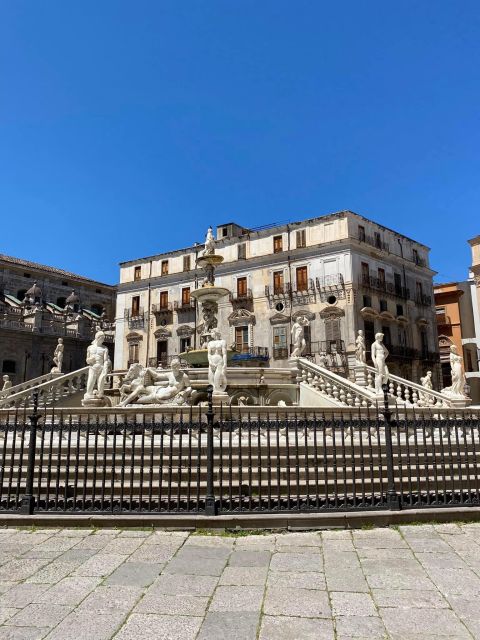
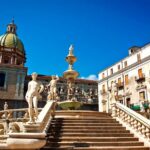
Next up is Pretoria Square, known by locals as the square of shame, mostly for the nudity of the fountain statues at Fontana Pretoria. This is one of those stops that can surprise you in a good way, because you expect beauty—and then you get a bold, very human sort of shock.
The palace—Palazzo Pretorio—is an important 15th-century presence in the area. The guide helps you see why it matters and how the civic power of the city shaped the built environment around it. And with Fontana Pretoria, the experience becomes more than architecture. The statues make you look twice, and that double-take is exactly why this stop sticks in your memory.
It’s also a helpful contrast against the religious sites you’ve already seen. You’re shifting from sacred buildings to political and civic space, from spiritual story to public display.
Norman Sicily church time: San Cataldo and Martorana
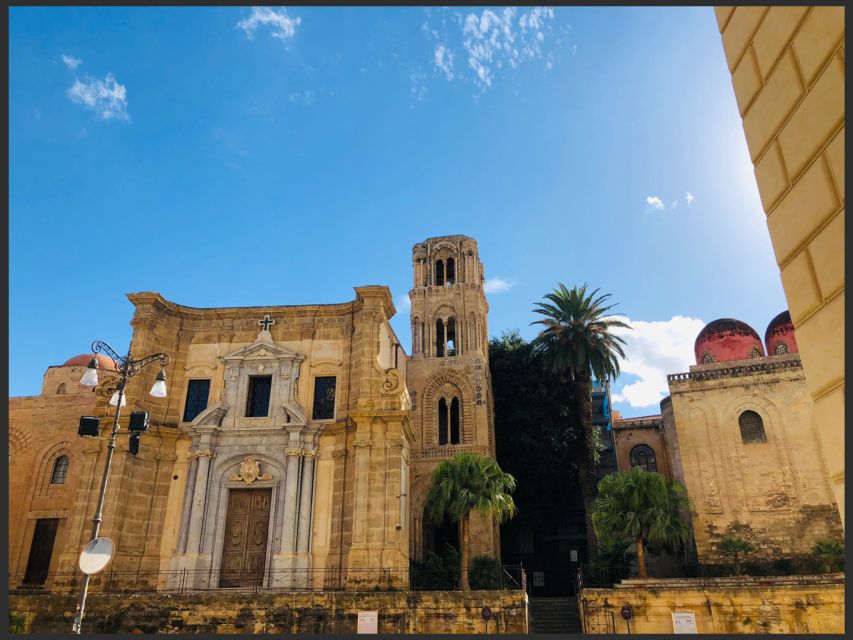
Later in the walk, you visit Martorana Church and the Church of San Cataldo—two more Norman Sicily-era churches that are also part of UNESCO World Heritage listings. These stops are where you catch details you’d probably miss on your own.
Why churches like these matter: Norman Sicily isn’t just a “label.” It shows up in the way the buildings feel, the style elements you notice once someone points them out, and the sense that Palermo absorbed different cultures over time. The guide’s explanations help you connect those dots without turning the tour into a lecture.
Between the two churches, you’ll also see the rhythm of Palermo’s religious architecture—how decoration, layout, and atmosphere create meaning. If you like churches but hate slow, repetitive explanations, this tour’s approach is useful. You’re in and out, but you’re not rushed. You get guided time so you can actually understand what you’re looking at.
Logistics that keep the tour pleasant (not exhausting)
This is a short walking tour, but it’s still walking through central Palermo. I’d treat it like a half-day city stroll and plan accordingly.
Wear comfortable shoes. You’ll be moving between sites and through market areas. Bring water and a snack if you need one—food is available in the market, but you might want a backup. Comfortable clothes matter, especially for the cathedral dress code.
Also note what you can bring: luggage or large bags aren’t allowed. If you’re arriving with a big suitcase, you’ll want to plan where it goes before you start the walk.
One more practical point: the tour is offered in Italian and English with a live guide. If you prefer English, you’ll still likely enjoy the tour even if you’re not fluent—because the guide’s job is to make architecture and street life understandable.
Price and value: what $41 buys you in central Palermo
At $41 per person for 2–3 hours, the headline value is that you’re getting:
- a professional guide
- entrance to Palermo Cathedral
- an option for pickup close to the port for cruise passengers
The “not included” list is also fair. Entrance fees to monuments and museums beyond the cathedral aren’t included, and food/drinks are not included. That means you might spend extra depending on what you choose to do inside certain stops.
But here’s the way I think about value: this tour is built around landmarks that are hard to interpret without context. If you’re walking Palermo’s center anyway, paying for a guide can be the difference between seeing buildings and understanding why they’re here. And since the cathedral entrance is included, that removes one of the more annoying add-ons.
So this price works best if you want guided insight rather than self-guided roaming.
Who should book this Palermo markets and monuments tour?
Book it if you want a tight, well-paced way to see central Palermo’s major sights without building your own route from scratch. It’s especially good for:
- first-time visitors who want Cathedral + markets + Norman churches in one outing
- travelers who like street food but also want architecture and history context
- cruise passengers, since there’s a pickup option close to the port
- people who want a guide who explains clearly and stays ready with practical tips
It’s not the best match if you hate walking, dislike crowds in market areas, or don’t want to follow dress rules for religious sites. But if you can handle a comfortable stride and a bit of planning for clothing, it’s a strong fit.
Should you book the Palermo markets and monuments tour?
Yes—if your goal is a smart introduction to Palermo’s center, this is a good bet. The combination of Palermo Cathedral, Norman-era churches, major civic sites like Fontana Pretoria, and a guided walk through Capo street market gives you more variety than the typical one-theme tour.
I’d book it if you want an efficient plan for 2–3 hours and you appreciate guided context. Just come prepared with comfortable shoes and the right outfit for the cathedral, and set your expectations that food and extra entrance fees aren’t bundled into the price.
FAQ
How long is the Palermo markets and monuments city center walking tour?
The tour lasts 2 to 3 hours.
How much does the tour cost?
The price is $41 per person.
What’s included in the price?
Included features are a professional guide, entrance to the Palermo Cathedral, and an option for pickup close to the port for cruise passengers.
What’s not included?
Entrance fees to monuments and museums (other than the Palermo Cathedral entrance) and food and drinks are not included.
Where does the tour start and where does it end?
One starting option is Feltrinelli Librerie, Via Orologio, 11. The tour ends at Via Maqueda, 172, 90133 Palermo PA, Italy.
Do I need to follow a dress code for the cathedral?
Yes. Men cannot wear shorts or tank tops; women cannot wear shorts, miniskirts, or tops. A light jacket can be bought at the cathedral entrance for €1.
Can I bring luggage or large bags?
No, luggage or large bags are not allowed.
More Sightseeing Days in Palermo
More Tour Reviews in Palermo
More Palermo Old Town Walks
After something else? More tours and day trips around Palermo and western Sicily




Palermo Historic Center Walking Tours, compared.
 ★ 4.8NO Mafia Walking TourFrom $402,431 reviews
 ★ 5.0Palermo Original Street Food Walking Tour by StreatyFrom $832,105 reviews
 ★ 4.9Street Food and History Walking TourFrom $541,294 reviews
 ★ 5.0Palermo No Mafia walking tour: discover the Anti-mafia culture in SicilyFrom $391,011 reviews
 ★ 4.7Private Custom Walking Tour with Local GuideFrom $53661 reviews
 ★ 4.9Street Food Walking Tour with Local Guide & TastingFrom $52632 reviews
 ★ 5.0Palermo Walking Tour and Street FoodFrom $48617 reviews
 ★ 4.8UNESCO World Heritage Sites Guided Walking TourFrom $41548 reviews
Browse the lists this tour appears in