
Reviewed · PALERMO UNESCO & ARAB-NORMAN HERITAGE
Palermo Tour: Magnificent Mixture Of Architectural Styles
Palermo’s architecture grabs you immediately. In just 2 hours, this guided walk threads together the grand sights—Teatro Massimo and Palermo Cathedral—with the everyday alley life in between, including Arabic-influenced neighborhoods. I like how the route starts at Piazza Politeama and quickly shifts from wide city streets to tight lanes, so you get a real sense of how Palermo moves.
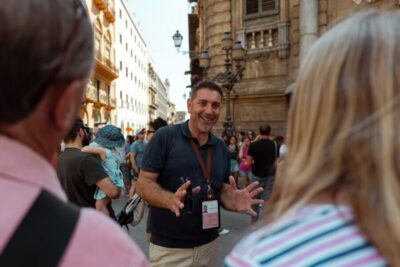
Two things I especially liked: the focus on specific stops you can’t miss (the Cathedral of Palermo and the Teatro Massimo area), and the way the guide connects those landmarks to the streets around them—so the walk doesn’t feel like a checklist. Recent reviewers praised guides for being flexible and deeply informed, with names like Roberta and Marilou coming up for their strong local/world context and ability to point out less-obvious corners.
One possible drawback: it’s a walking tour, so you’ll spend your time on your feet and moving between sights. Also, the royal tombs ticket is not included, so if you want that added interior time, plan for separate tickets.
In This Review
- Key highlights worth planning around
- Palermo in 2 Hours: Why This Walk Works
- Starting at Piazza Politeama: Getting Oriented in the Right Place
- Via Ruggero VII and Principe di Belmonte: The Streets That Feel Like a Living Room
- Teatro Massimo: Italy’s Largest Lyric Theater, Up Close
- Into the Arabic Origins Neighborhood: What to Watch for as You Walk
- Capo Market: Palermo’s Most Famous Market Stop
- Palermo Cathedral Area and Frederick II: A Landmark With Gravity
- Vucciria Open Market and the Return to Piazza San Domenico
- Price and Value: $344.39 per Group (Up to 25)
- What’s Included (and What You’ll Need to Handle)
- Timing, Language, and Group Size: How It Should Feel on the Ground
- Who This Palermo Walk Is Best For
- Should You Book This Palermo Architecture Tour?
- FAQ
- Where does the tour start and end?
- How long is the Palermo walking tour?
- What attractions will I see on this tour?
- What’s included in the price?
- What is not included?
- What languages are available for the live guide?
Key highlights worth planning around
- Start at Piazza Politeama (in front of Teatro Politeama) and get your bearings fast in the historic center.
- Via Ruggero VII and Principe di Belmonte: classic street names, classic Palermo storefront energy.
- Teatro Massimo: see it as the largest lyric theater in Italy and third largest in Europe (by scale).
- Capo Market: Palermo’s best-known market stop on this route.
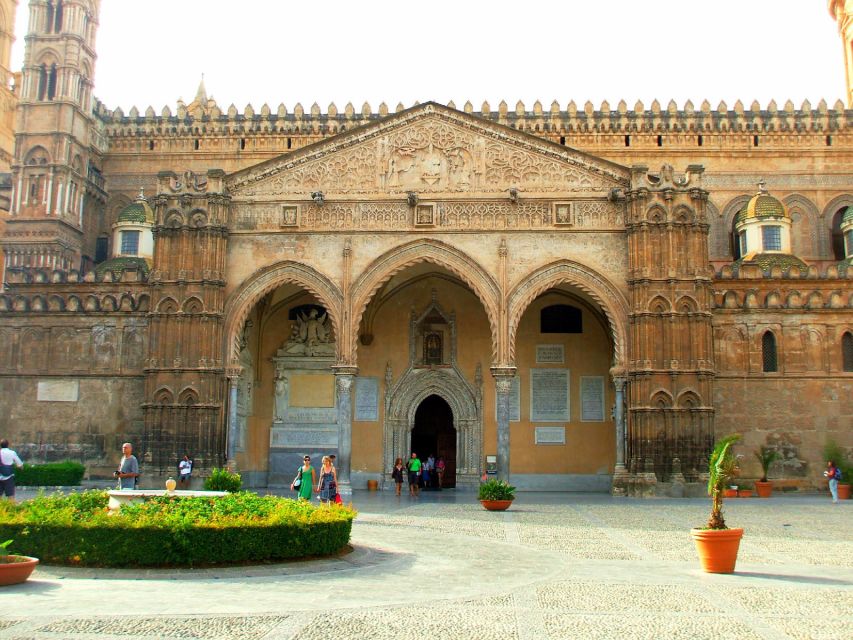
- Cathedral area: you’ll pass the part tied to Frederick II of Swabia and family remains.
- Vucciria open market area: a historic market vibe to cap things off before returning to Piazza San Domenico.
Palermo in 2 Hours: Why This Walk Works
A lot of tours in big cities try to cram too much into too little time. This one is different because it has a smart spine: you move from major “I can see it from far away” landmarks (like the Teatro Massimo area) to smaller, street-level places where you actually feel Palermo.
The length matters. Two hours is long enough to cover real ground, but short enough that you can still do the rest of your day on your own—wander into side streets, stop for a granita, or pop back to a square you liked. You’re also in a private group setting, which usually makes it easier for the guide to pace the walk and respond to what you’re curious about.
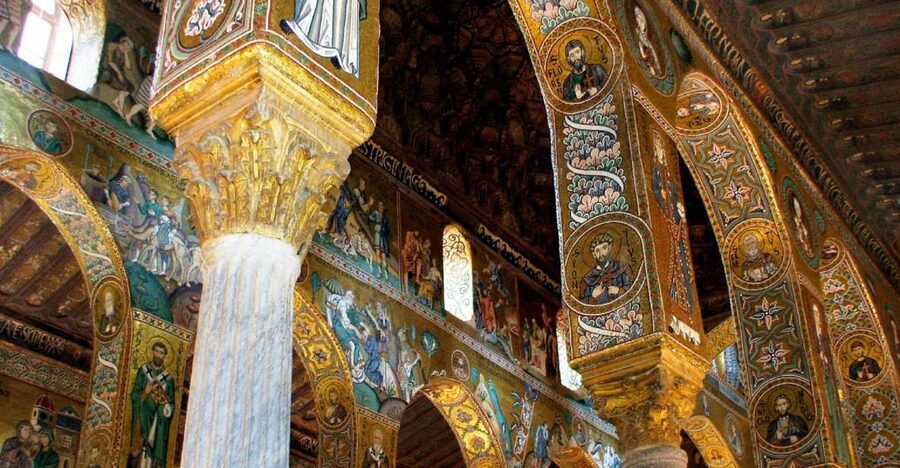
The strongest part of the experience is the architecture mix. You’re not just looking at buildings; you’re watching how Palermo’s layers show up as you walk—Arabic influences in the neighborhoods, big formal energy around major institutions, and market life in between.
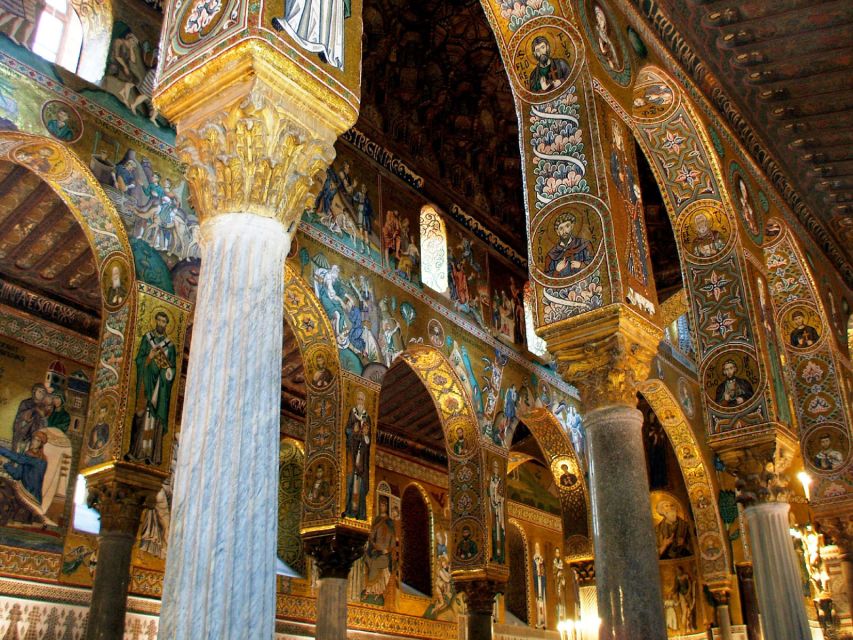
The Arab-Norman UNESCO trail through Palermo and Monreale.
Starting at Piazza Politeama: Getting Oriented in the Right Place
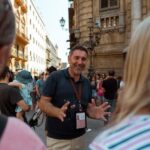
The tour begins at Piazza Ruggiero Settimo, right in front of the Politeama Theater (next to the statue). That’s a practical starting point because it sits where multiple main streets converge. You don’t spend the first 20 minutes trying to figure out where you are.
From there, you head toward the streets that locals treat like daily routes—the kind you’d likely use to shop, stroll, or simply pass the time. Starting in a city-center square also helps with photo timing. If you like taking pictures, you’ll get a wider angle early (and you’ll be walking later into narrower alleys).
One small consideration: meeting points like this can be busy. Give yourself a little buffer so you don’t feel rushed right at the start.
Via Ruggero VII and Principe di Belmonte: The Streets That Feel Like a Living Room
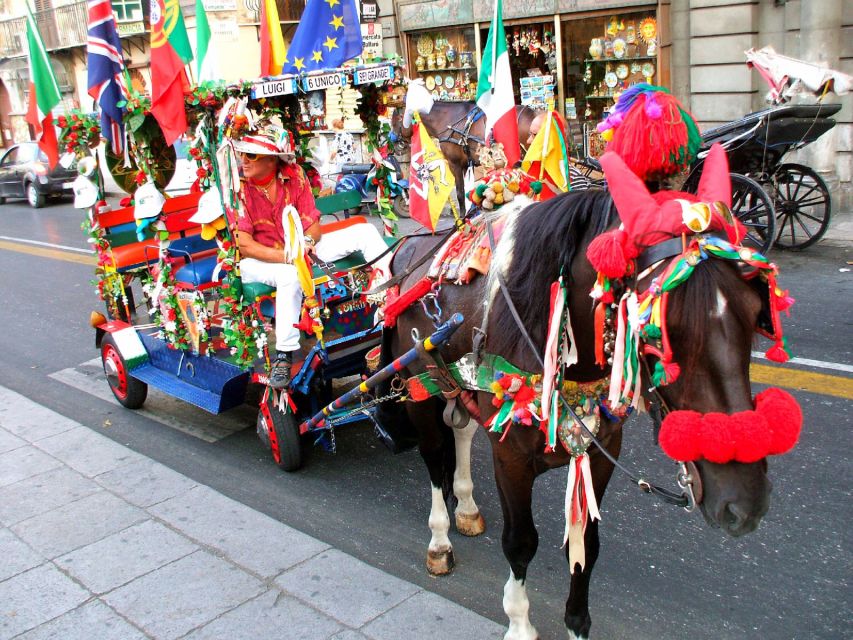
As you walk, you pass Via Ruggero VII, which is described as Palermo’s living room, and then Via Principe di Belmonte with its historic shops. These are exactly the kinds of streets that can look ordinary on a map—until you walk them with someone who knows what to watch for.
This is where I think the guide’s value shows up most. Instead of treating every turn as trivia, you get context for why these roads matter. In a place like Palermo, streets often carry the imprint of different eras. So even if you’re not stopping at a museum, you’re still learning.
Also, the rhythm here is useful for your own exploring later. Once you understand which streets are the “main motion” and which ones peel off into tighter quarters, you’ll navigate the center better after the tour ends.
Teatro Massimo: Italy’s Largest Lyric Theater, Up Close
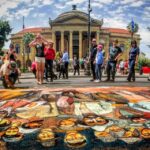
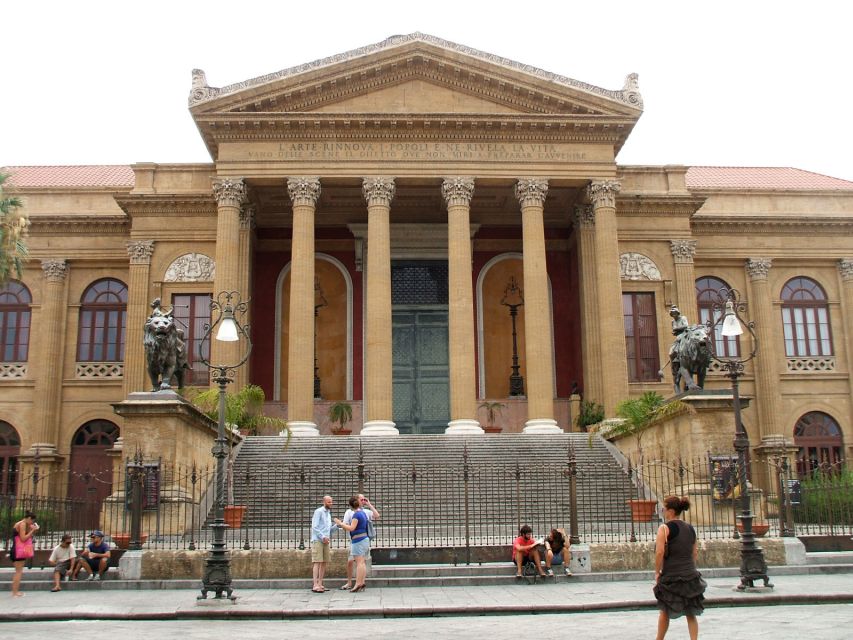
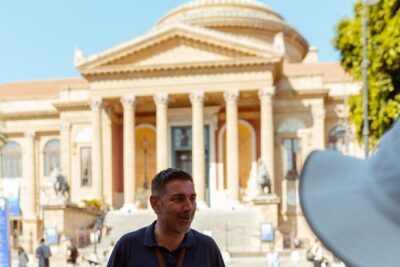
Next comes Teatro Massimo, described as the largest lyric theater in Italy and the third largest in Europe. Even if you’re not a die-hard opera person, the building is one of those Palermo anchors that helps you understand the city’s ambition and scale.
I like that this stop isn’t just about admiring the facade. The tour places it in the middle of your walking sequence, so it feels like part of the city fabric rather than a standalone photo spot. The change in atmosphere—from street-level shop corridors into a more monumental theater zone—helps you “reset” your sense of place.
Practical note: the tour info doesn’t say anything about interior access. So if your priority is inside-the-theater time, check what’s possible with a separate visit or specific ticket options. On this walk, your win is seeing it as a landmark and understanding how it fits into Palermo’s architectural blend.
Into the Arabic Origins Neighborhood: What to Watch for as You Walk
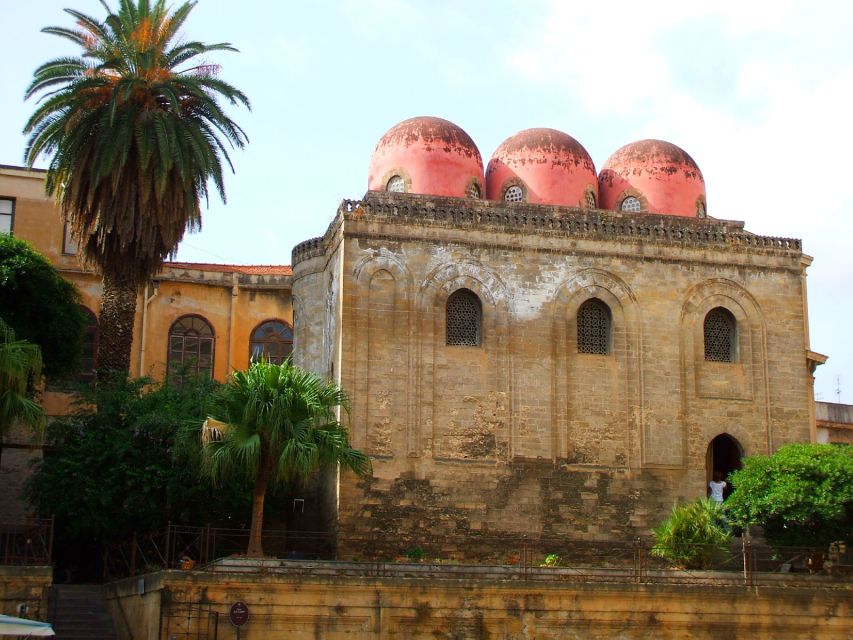
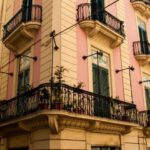
After Teatro Massimo, the route continues through alleys and streets tied to Arabic origins. This is one of the tour elements I’d treat as more than a thematic label. In Palermo, those influences show up in neighborhood patterns—street layouts, textures of the area, and how everyday life fills the spaces.
This part is also why the walking format matters. A map can show “Arabic origins,” but it doesn’t show you the actual feel of the blocks: how tight passages connect, how the street edges change, and how you start encountering market energy.
If you enjoy architectural reading in plain sight, pay attention to the transitions. Notice where the city feels more open versus where it compresses into smaller lanes. That movement helps your brain connect the architectural story to your feet moving through it.
Capo Market: Palermo’s Most Famous Market Stop
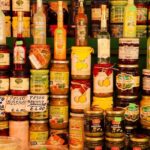
The tour heads to Capo Market, described as the most famous market in Palermo. Markets like this are perfect for a guided walk because the guide can help you look beyond the obvious. You’re not just seeing stalls; you’re seeing how the market sits inside the neighborhood and how daily commerce shapes the city’s identity.
Capo Market is also a good place for sensory grounding. Even if you don’t plan to buy anything, it helps you understand why Palermo isn’t only about grand monuments. It’s about everyday structure—where people gather, what they pick up, how the street becomes a meeting point.
One practical point: the tour includes no tastings or lunch. If you want to eat, you’ll need to handle that on your own. That’s not a dealbreaker; it simply means you should carry a bit of patience and flexibility for your own snack timing.
Palermo Cathedral Area and Frederick II: A Landmark With Gravity
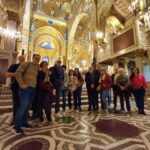
After Capo Market, you continue toward the Cathedral of Palermo. The key detail here is what you’ll learn about the remains of Frederick II of Swabia and his family, kept in the cathedral area.
That matters because it turns the stop from architecture appreciation into historical weight. Palermo’s story isn’t just buildings and styles; it’s also power, dynasties, and the way the city became a major crossroads.
Two useful considerations:
- Ticket royal tombs is not included. The tour may bring you to the relevant area, but you shouldn’t assume you’ll get full tomb access without extra tickets.
- If you have a strong interest in the cathedral’s interior spaces, decide in advance if you want to allocate time for separate entry options. This tour is focused on the walking route and major highlights, not ticketed museum-level time.
If you’re choosing this tour because you care about architecture styles, the cathedral stop is your payoff: it’s where the monumental side of Palermo hits hardest.
Vucciria Open Market and the Return to Piazza San Domenico
Next you’ll visit the historic open market of Vucciria and then return to Piazza San Domenico Square. Vucciria pairs well with Capo because they both sit in the “market Palermo” lane, but they can feel different enough that the contrast stays interesting.
I find open-air market stops work best on a guided walk when you treat them like context stops. Ask yourself: how does this market space sit in relation to the cathedral zone? What changes in the street edges as you move from cathedral area to market area?
When the walk finishes back at Piazza San Domenico, you’re positioned to keep exploring without having to retrace your steps. It’s a good end point because you’re back near the flow of streets again.
Price and Value: $344.39 per Group (Up to 25)
At $344.39 per group up to 25 people, the value depends on how you plan to split it. If you’re traveling as a small party, you might feel the price more. If you can share it among a larger group, it tends to feel more reasonable because you’re paying for the guide and the route, not a per-person museum ticket style charge.
For me, the value equation here is the combination of:
- a licensed guide,
- two major architectural anchor points (Cathedral and Teatro Massimo),
- and the walking route that connects those points through Arabic-influenced streets and market zones.
You’re also not stuck with a lot of add-ons. What’s not included is clear: royal tomb tickets, and no tastings/lunch/dinner, and no transportation/pickup. That transparency helps you plan your spending without surprises.
If you want architecture with real street context (not only photos), this is the kind of tour where the “private group” format can make the walking feel smoother and more tailored.
What’s Included (and What You’ll Need to Handle)
Included:
- Licensed guide
Not included:
- Ticket royal tombs
- Tastings/lunch/dinner
- Transportation/pickup or drop-off
That’s straightforward, but it changes how you should prepare. You should plan to arrive on foot-ready terms since transportation isn’t part of the package. And if the royal tombs are a must for you, budget for that separate ticket before or during your day.
Timing, Language, and Group Size: How It Should Feel on the Ground
The duration is set at 2 hours, with starting times available based on the date you choose. That’s a short enough window that you shouldn’t expect long waits at stops, but you also shouldn’t cram another major-ticket activity immediately at the start time. Give yourself a little buffer around the meeting point.
Language options are Spanish, English, French, German, and Italian, and the tour is a private group. That’s a big deal for comfort and pacing. If you’re traveling with family, a mix of ages, or friends with different interests, a private format often makes the guide more flexible with how the walk flows.
Based on review feedback, guides can bring more than facts. Some praised the host/guide for flexibility and deep knowledge, including Roberta and Marilou being singled out for creating an authentic sense of Palermo and sharing hidden or less obvious gems beyond the standard headlines.
Who This Palermo Walk Is Best For
This tour fits best if you:
- love architecture styles and want them tied to how neighborhoods actually feel,
- enjoy market areas but want them placed in the right historical context,
- prefer a guide who explains more than just where to stand for photos,
- are looking for a city-center experience that won’t swallow your whole day.
If you only want museum interiors and long ticketed experiences, this may not satisfy that preference by itself—especially with the royal tombs not included. But if you want an intelligent walk through Palermo’s major landmarks and everyday streets in a short time, it’s a strong match.
Should You Book This Palermo Architecture Tour?
I’d book it if your goal is a high-impact, guided architecture walk that connects Palermo’s big institutions (Cathedral and Teatro Massimo) to the street-level “in between” (Arabic origins neighborhoods, Capo Market, and Vucciria). The price can be very workable when shared, and the format makes it easier to keep exploring afterward.
Skip it or plan carefully if you’re mainly after royal tomb interior access, since those tickets aren’t included. Also, if you’re sensitive to walking, remember this is a two-hour walking route through busy areas—choose shoes accordingly.
Overall, it’s the kind of tour that helps you see Palermo as a living mix of eras, not just a pile of famous sights.
FAQ
Where does the tour start and end?
The tour starts at Piazza Ruggiero Settimo square, in front of the Politeama Theater next to the statue. It ends back at the meeting point.
How long is the Palermo walking tour?
The duration is 2 hours. Starting times vary by availability.
What attractions will I see on this tour?
You’ll visit the Cathedral of Palermo, the Teatro Massimo area, the Capo Market, the historic open market of Vucciria, and you’ll walk through historic streets and squares such as the route from Piazza Politeama toward Piazza San Domenico.
What’s included in the price?
The tour includes a licensed guide.
What is not included?
Ticket royal tombs are not included, and there are no tastings/lunch/dinner. Transportation or pickup/drop-off is also not included.
What languages are available for the live guide?
The live tour guide is available in Spanish, English, French, German, and Italian.
More Tour Reviews in Palermo
More Arab-Norman Heritage Days
After something else? More tours and day trips around Palermo and western Sicily




Palermo UNESCO & Arab-Norman Heritage, compared.
 ★ 4.8UNESCO World Heritage Sites Guided Walking TourFrom $41548 reviews
 ★ 5.0Discover the Charm of Palermo: A 3-Hour UNESCO Sites Walking TourFrom $31264 reviews
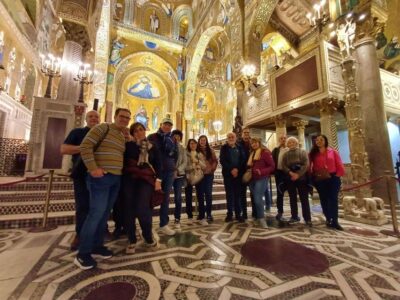 ★ 4.8Tour Cappella Palatina e palazzo Reale: patrimonio UnescoFrom $14183 reviews
 ★ 4.7Art and Architecture Walking TourFrom $317136 reviews
 ★ 4.5Visit Cefalù Unesco Site – Every DayFrom $8461 reviews
 ★ 5.0UNESCO Day Trip – Monreale & CefalùFrom $6556 reviews
 ★ 4.0Private Tour of Monreale and Cefalu of UNESCO HeritageFrom $4425 reviews
Browse the lists this tour appears in