

Reviewed · SELF-GUIDED TOURS
Palermo Audioguide – TravelMate app for your smartphone
Your phone can guide you through Palermo.
The TravelMate audioguide turns your smartphone into a self-paced companion, so you can wander monuments and neighborhoods without picking up paper tickets first. I like that it’s totally autonomy-friendly—no meetup, no “line up and follow someone” pressure—and I also like that the audio includes 31 curated stops covering major sights and even local cuisine. One thing to consider: this is audio-first, so if you crave lots of on-the-spot detail (or visual explanations), you may want to pair it with a classic guidebook.
What I like most is the freedom. You can listen online or offline, and the guide doesn’t expire—so you can replay sections on a second pass through the city. I also like that you can read the text that matches the audio when you want to slow down or confirm something.
A possible drawback: the overall content is compact (95 minutes total). That’s great for moving efficiently, but it can feel lighter than a long, in-person tour if you’re the type who likes deep, extended commentary at every stop.
In This Review
- Key points before you download
- How the TravelMate Palermo audioguide sets you free
- Price and value: what $9 buys you in Palermo
- Your Palermo route in 31 stops (95 minutes of listening)
- Palermo Introduction: get oriented fast
- The Wonders of Local Cuisine: food context you’ll notice later
- Archaeological Museum: why artifacts change how you see the city
- Capuchin Catacombs: a stop that’s not for every comfort level
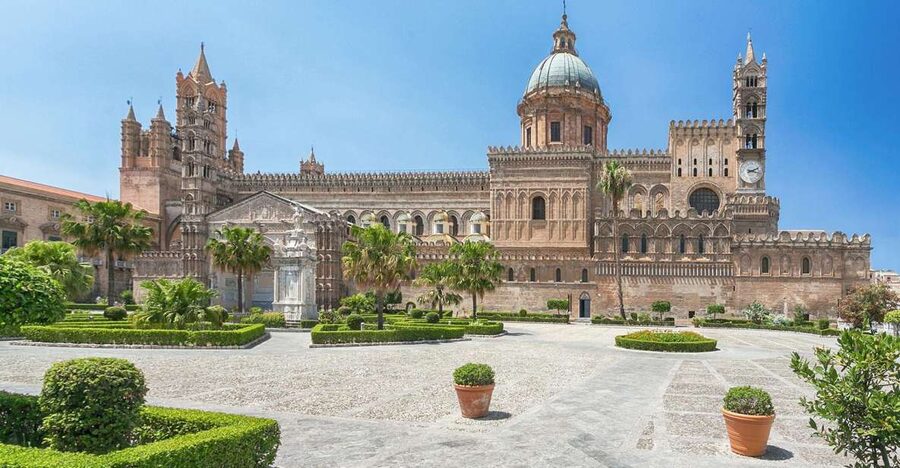
- Cathedral: the big centerpiece you’ll probably walk past
- Church of San Cataldo: color and pattern at human scale
- Church of San Giovanni degli Eremiti: standout character
- Church of the Gesù: connecting faith and art
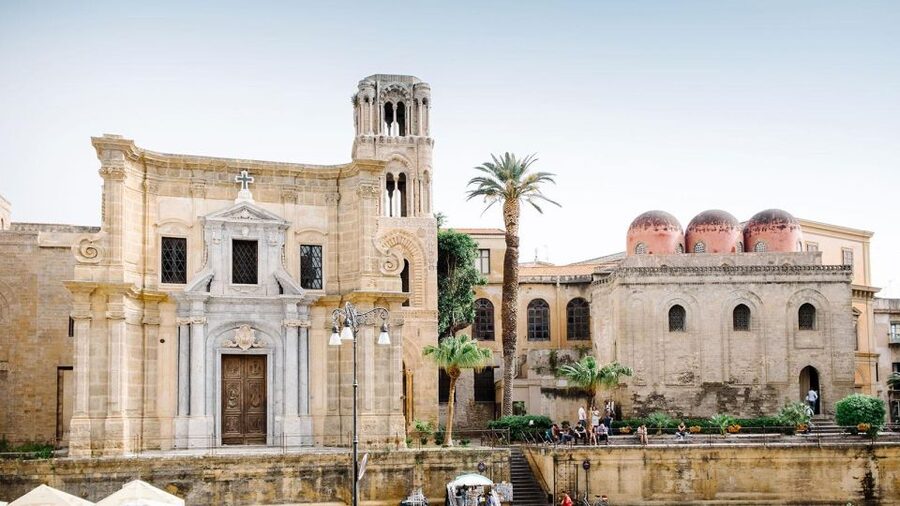
- La Martorana Church: smaller, but worth it
- Monreale Cathedral: big statement, clear listening payoff
- Oratory of the Rosary: a quieter counterpart
- Palazzo Abatellis and Regional Gallery: art with a city brain
- Palazzo dei Normanni and Palatine Chapel: the “history in architecture” moment
- Quattro Canti: the street-corner spectacle
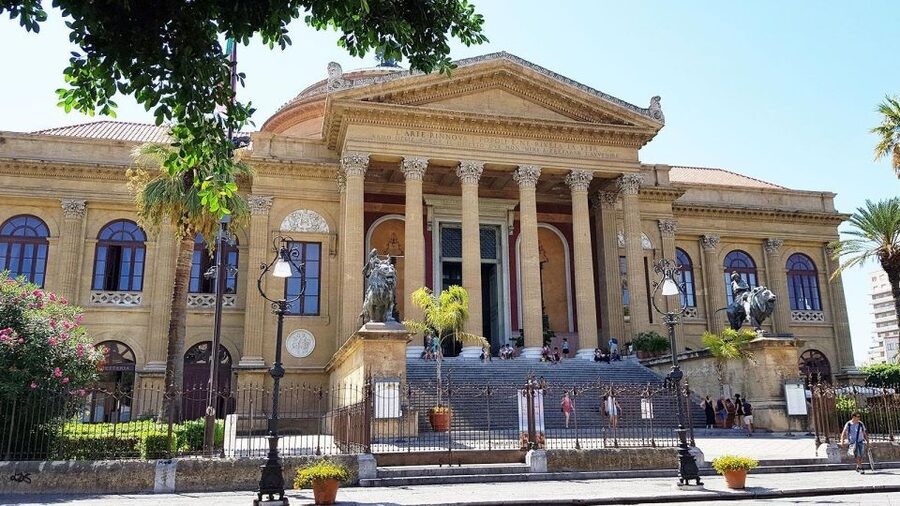
- Teatro Massimo: a landmark you can read
- Villa Zisa: closing with a change of pace
- Offline listening and text mode: how to make the app work smoothly
- The production quality: authorship and TV/radio-style delivery
- Quiz section: small learning, big payoff
- Who this self-guided Palermo app is best for
- Should you book TravelMate Palermo?
- FAQ
- What is the Palermo Audioguide experience?
- How much does it cost?
- Do I need a paper ticket or a meetup point?
- How long is the audio guide valid?
- How many audio sections are included?
- Can I listen offline?
- Can I read the content instead of only listening?
- What languages are available?
- Is a quiz included?
- Is the experience wheelchair accessible?
Key points before you download

- No paper tickets and no meeting point: download the app and start wherever you prefer
- 31 audio stops in 95 minutes: a focused route through the city’s big-name sights
- Offline or online listening: plan for spots with weak signal
- Text view in the app: handy if you prefer reading or want to double-check details
- Replay for years: access stays valid for 1095 days from first activation
- Extra practice with a quiz: short questions to help you remember what you heard
How the TravelMate Palermo audioguide sets you free

This experience is basically a do-it-yourself city tour in your pocket. There’s no meeting point to hunt down. You download the TRAVELMATE app (Android) or the TRAVELMATE TM app (iOS), enter your 10-digit activation code, and you can begin your Palermo day on the spot.
That matters because Palermo can be a mix of big monuments and sudden “hey, this street looks interesting” moments. With an audio guide like this, you can follow your curiosity without mentally resetting every time you stop to take photos or step into a church.
The app also removes one more friction point: you don’t have to collect paper tickets from a kiosk or a person. The system is designed so you can start immediately, using your phone you already own. And the experience notes also recommend earphones for a better listening setup—if you’re walking through busy streets, that alone can make a difference.
More Palermo tours to take at your own pace.



Price and value: what $9 buys you in Palermo
At $9 per person, the main value isn’t just “cheap audioguide.” It’s the combination of:
- a large set of stops (31 separate audio items)
- professional-style production (authors and interpreters from TV and radio fields)
- long access time (valid for 1095 days from first activation)
- offline capability, so your day isn’t at the mercy of Wi-Fi
A traditional guided tour can be convenient, but you often pay for a specific route and a specific time slot. With this app, you’re buying flexibility. If you’re traveling on a schedule of your own—when you might only have a morning here or you want to revisit the Cathedral area later—that replayable audio is a real perk.
Think of it like this: you’re not paying for a live guide’s attention span for a single outing. You’re paying for a repeatable library of Palermo highlights you can use when it fits your day.
Your Palermo route in 31 stops (95 minutes of listening)

The audio guide is organized into 31 audio contents with a total runtime of about 95 minutes. That’s short enough to enjoy without turning into a chore, but structured enough that you’ll feel like you’re following a path rather than randomly pressing play.
You’ll also get a quiz section—small questions about the city—so the app tries to do more than just narrate. It nudges you to pay attention and remember.
Below is what the route covers, and what to watch for at each type of stop.
Palermo Introduction: get oriented fast
You start with a Palermo Introduction. This is the part that helps you understand what you’re looking at before you get overwhelmed by details. I like these opening sections because they act like a map for your brain: once you have a framework, the later monuments make more sense.
The Wonders of Local Cuisine: food context you’ll notice later
There’s an audio stop devoted to local cuisine. Even if you don’t eat immediately, this kind of segment can sharpen your eye when you’re walking past markets, bakeries, and specialty counters. You’ll likely find it helps you ask better questions when you’re ordering.
If you’re the type who travels for food, this is a smart early listen. If you’re not, it’s still useful because cuisine is part of Palermo’s identity.






Archaeological Museum: why artifacts change how you see the city
The Archaeological Museum stop is about context: Palermo didn’t appear fully formed in the middle ages. This audio section can help you connect the city’s layers instead of treating each monument like a standalone postcard.
A practical note: museum hours and rules can affect what you can do in person. So treat the audio as flexible—use it when you can step inside.
Capuchin Catacombs: a stop that’s not for every comfort level
The Capuchin Catacombs are included, and they’re the kind of attraction that can feel intense. I’m glad it’s on the list because the audio guide gives you a chance to approach it with the right background.
If you’re sensitive to this sort of thing, you might prefer to listen to the narration at a different pace—maybe before you enter, then step through quietly.
Cathedral: the big centerpiece you’ll probably walk past
The Cathedral is one of those stops you’ll likely encounter naturally during your sightseeing. Having a guided audio track here can turn a “wow, that’s impressive” moment into an understanding of what parts matter and why.
Tip: when you arrive, listen in small bursts—don’t try to absorb everything while also standing in the exact spot you want for photos. Pause, move, then resume.
Church of San Cataldo: color and pattern at human scale
The app includes the Church of San Cataldo. Churches like this can be easier to appreciate when you know what features to focus on, especially if you’re not sure what you’re seeing.
This is the kind of stop where reading the text in the app can help. If the audio moves quickly, switching to the written notes lets you slow down without missing the thread.
Church of San Giovanni degli Eremiti: standout character
Next up is the Church of San Giovanni degli Eremiti. This inclusion makes sense because it’s the sort of sight people remember vividly. The audio guide can help you understand why it looks the way it does.
Practical strategy: use the audio as you walk around the area, not just when you first see it. You’ll catch more details as your viewpoint changes.
Church of the Gesù: connecting faith and art
You’ll also get the Church of the Gesù. When an audio guide covers multiple churches, it helps you compare them instead of mentally mixing them up. Palermo has enough sacred architecture that a structured guide is helpful.
If your day is packed, this is also a good place to use the app’s text view so you can reference key points later.
La Martorana Church: smaller, but worth it
La Martorana Church is included as its own audio stop. That tells you the guide is treating it as a distinct experience, not just a label on a map. For me, that’s part of the quality signal: it’s not lumping everything together.
If you’re tired, you can still get value here by listening for the main themes first, then enjoying the space with lighter audio.
Monreale Cathedral: big statement, clear listening payoff
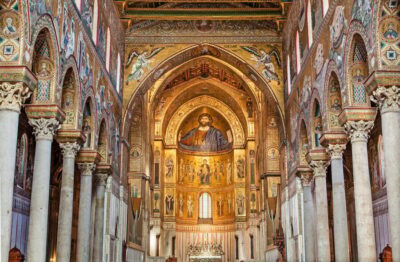
The list includes Monreale Cathedral. A major cathedral needs context, because your eyes are doing a lot at once. Audio can help you identify what’s visually important and what role the site played.
One consideration: Monreale can be a time commitment depending on how you travel and where you’re staying. Build in buffer so you’re not rushing through a stop that deserves attention.
Oratory of the Rosary: a quieter counterpart
The Oratory of the Rosary is included right alongside bigger names. That pairing is smart because it encourages you to look beyond the “most famous façade.”
If you’re trying to balance major monuments with quieter interiors, this stop may feel like a reward.
Palazzo Abatellis and Regional Gallery: art with a city brain
Next: Palazzo Abatellis and the Regional Gallery. When an audio guide covers an art setting, I like that it’s framed as part of Palermo’s story, not just a catalog of objects.
If you can, give yourself enough time inside. Art spaces reward slower attention, and the app’s short runtime can make you feel like you should hurry—so don’t.
Palazzo dei Normanni and Palatine Chapel: the “history in architecture” moment
The Palazzo dei Normanni and Palatine Chapel are included, and that’s a classic must-see category. For architecture, audio helps you connect scale, layout, and style.
This is also where I’d recommend using earphones—inside courtyards and halls, ambient noise can swallow spoken details fast.
Quattro Canti: the street-corner spectacle
Quattro Canti is a different kind of stop: more urban, more street-level, more about how the city looks at the intersection points.
In other words, this is where you shift from “monument listening” to “city-watching.” The narration can help you understand what makes this place special so you don’t just treat it like a pretty crossroad.
Teatro Massimo: a landmark you can read
The Teatro Massimo Opera House is included too. Even if you’re not attending an event, the building is a sight with presence. Audio context helps you appreciate what you’re seeing instead of only admiring the exterior.
If the day’s events make entry tricky, you can still use the audio to set the stage for what to look for.
Villa Zisa: closing with a change of pace
Finally, the route includes Villa Zisa. This kind of last stop can feel like relief: not another door to follow inside, but a shift in scenery and atmosphere.
If you’re finishing your day and you still have energy, this is a nice way to end with variety.
Offline listening and text mode: how to make the app work smoothly

The experience includes two big usability features: you can listen online or offline, and you can read the text of the audio files.
Here’s how I’d use that in real life:
- Download/listen prep: if your schedule has museum stops or quiet churches, try to be offline-friendly so you’re not refreshing signals in stressful places.
- Text view for clarity: when an audio segment gets dense, switch to the text mode. It’s useful for names, dates, and descriptions you might want to remember after you step away.
- Earphones: earphones are recommended, and I agree. Even if you’re comfortable listening without them, Palermo streets can be loud. Clear audio means better comprehension.
Also, since you have 1095 days of validity from first activation, you can treat this as something you return to. If you miss a stop on day one, you’re not stuck—just pick it up later.
The production quality: authorship and TV/radio-style delivery
The audio content is described as professionally created by a group of high-level authors and interpreted by professionals from television and radio fields. What that usually means in practice is pacing and clarity.
I like audio guides when they’re not just reading facts. Good delivery keeps you listening instead of tuning out after a few minutes. And since the guide is designed for total autonomy, the narration needs to carry the experience without you constantly scanning a screen.
If you find yourself zoning out, use the quiz section as a reset. Short questions can pull you back into the story.
Quiz section: small learning, big payoff
The app includes a quiz section with short questions about Palermo. This matters more than it sounds. When you’re self-guiding, it’s easy for details to go in one ear and out the other.
The quiz is a lightweight way to check your memory while the experience is still fresh. Even if you don’t get every answer, you’ll likely discover which parts truly stayed with you.
Who this self-guided Palermo app is best for
This fits you if:
- you want to explore Palermo on your own schedule
- you like learning as you walk, without a group pace
- you’re traveling light and prefer not to manage paper tickets
- you want an audio guide you can reuse over time (1095 days is a long runway)
It might not be the best fit if:
- you need a lot of interactive, on-the-ground explanation (for example, you want to ask questions and get immediate answers)
- you’re expecting extremely long, deeply detailed commentary at every single stop
- you’d rather have a guide who manages tickets, entry timing, and daily logistics for you
Think of it as a strong “foundation” guide. It helps you understand what you’re seeing quickly, then you can decide how much more you want to learn on your own.
Should you book TravelMate Palermo?

If you’re choosing between a tour and a DIY plan, I’d say this is a smart booking when you value flexibility. For $9, you get 31 stops totaling 95 minutes, optional offline listening, and the ability to replay for years. That combination is hard to beat if you like moving at your own pace.
Book it if you want a practical companion for Palermo’s key sights: churches, the Cathedral zone, major palaces, and well-known landmarks like Quattro Canti and Teatro Massimo. Skip it (or pair it with another resource) if you know you’ll be disappointed by compact audio and want longer, slower explanations everywhere.
Bottom line: this is a good-value way to turn your smartphone into a clear, repeatable Palermo guide—especially if you plan to revisit highlights or want to learn in bite-sized chunks.
FAQ

What is the Palermo Audioguide experience?
It’s an audio guide for Palermo, Sicily, delivered through the TravelMate smartphone app.
How much does it cost?
The price is listed as $9 per person.
Do I need a paper ticket or a meetup point?
No. There is no meeting point, and you start by downloading the app and activating it with your code.
How long is the audio guide valid?
It’s valid for 1095 days from your first activation.
How many audio sections are included?
The audioguide includes 31 audio content items for a total duration of about 95 minutes.
Can I listen offline?
Yes. You can listen to the audio online or offline.
Can I read the content instead of only listening?
Yes. You may read the text of the audio files within the app.
What languages are available?
The audio guide is available in Italian, English, German, French, Spanish, Russian, and Chinese.
Is a quiz included?
Yes. There is a quiz section with short questions about the city.
Is the experience wheelchair accessible?
Yes, it is listed as wheelchair accessible.
More Self-Guided Palermo Walks
More Tour Reviews in Palermo
After something else? More tours and day trips around Palermo and western Sicily











Self-Guided Tours, compared.
 ★ 3.1Monreale Cloister Ticket with Audio AppFrom $1331 reviews
 ★ 4.3Botanical Garden Entry Ticket and Palermo Audio AppFrom $1224 reviews
 ★ 4.5Palermo Walking Tour with Audio and Written Guide by a LocalFrom $720 reviews
 ★ 4.5Palermo Scavenger Hunt and Highlights Self Guided Audio TourFrom $95 reviews
Browse the lists this tour appears in