
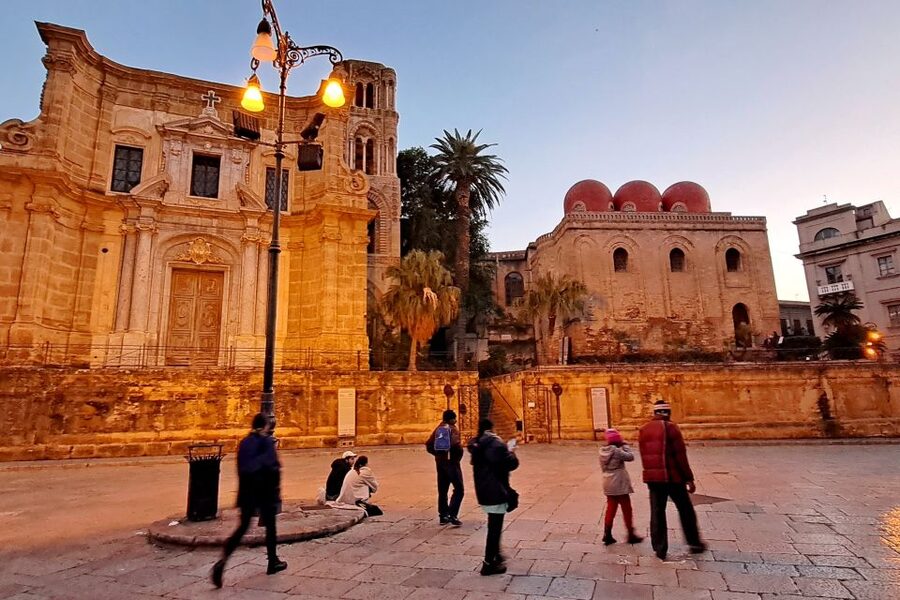
Reviewed · PALERMO HISTORIC CENTER WALKING TOURS
Napoli tour: alla scoperta del centro storico
Naples can feel like a riddle, and this tour leans into that. You start at Piazza Borsa and get guided through the UNESCO historic center with stories that connect alley life, church art, and old legends in one route. I especially like how the guide uses history and mystery as directions, not as lectures.
Two things I like a lot: you hit major anchors like Spaccanapoli and the Duomo, and you also get the quieter, oddball stops many people miss. Expect basilicas such as San Domenico Maggiore and San Lorenzo Maggiore, plus the special mood of Naples’ small details.
One drawback to plan around: the tour runs only in Italian, so if you’re not comfortable following spoken Italian for 3 hours, it may feel slow or confusing.
In This Review
- Why this Naples center walk works so well
- Starting at Piazza Borsa: the city’s clock and your meeting point
- Dracula’s tomb, Caravaggio, and Pino Daniele: the tour’s “why”
- Spaccanapoli and Santa Chiara: the spine of Naples
- Piazza Bellini and the Greek walls: where old and young coexist
- San Domenico Maggiore and the Aquinas connection
- San Gregorio Armeno and the presep gender of Naples
- Sansevero Chapel and the Veiled Christ moment
- San Lorenzo Maggiore and the idea of the city under the city
- Nile God statue and the reuse of Rome’s leftovers
- The Banksy mural stop: street art inside a classic route
- Heading to Via Duomo: the Duomo and San Gennaro’s Treasure
- Finishing with coffee and sfogliatella: how to extend the day
- Price and value: what $35 buys you in 3 hours
- Group energy and what the guide style feels like
- Who should book this Naples tour (and who should skip it)
- Should you book this Napoli walking tour?
- FAQ
- Is the tour only in Italian?
- How long is the Naples centro storico tour?
- Where do we meet?
- Which major sites does the tour include?
- Do I need to pay for museum admissions?
- Are food and drinks included?
- What happens if the weather is bad?
- Can I cancel for a full refund?
Why this Naples center walk works so well
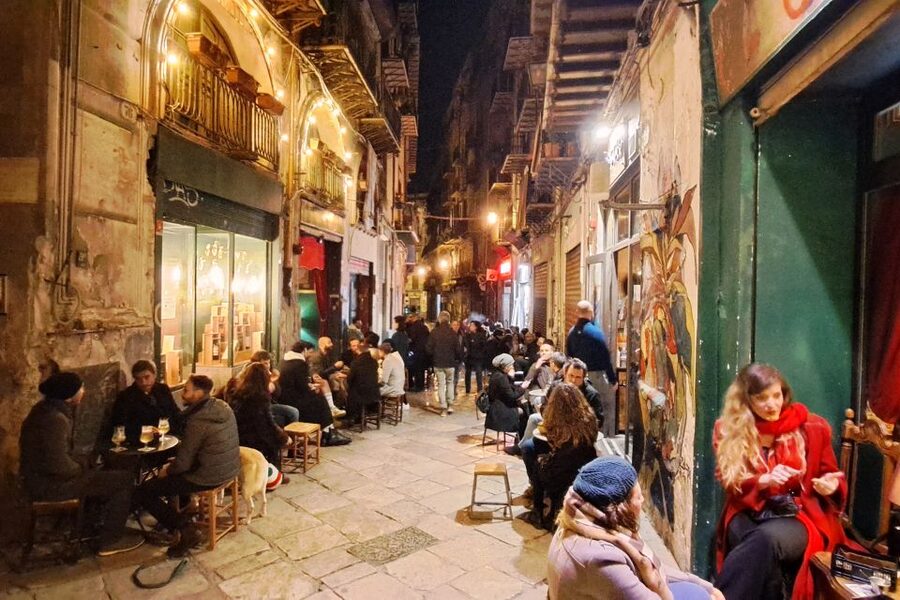
- Real street storytelling that links Dracula, Caravaggio, and Naples music history to what you’re actually seeing.
- UNESCO historic center route with major landmarks plus under-the-radar religious sites.
- Baroque and Bourbon highlights at places like Santa Chiara and Gesù Nuovo.
- Religious art stops that are dramatic even if you’re not a museum person (Sansevero, Veiled Christ).
- Street culture moments like the Banksy mural, mixed in with classic Naples.
- A human ending with a local coffee and sfogliatella option to help you keep exploring after the walk.
Starting at Piazza Borsa: the city’s clock and your meeting point
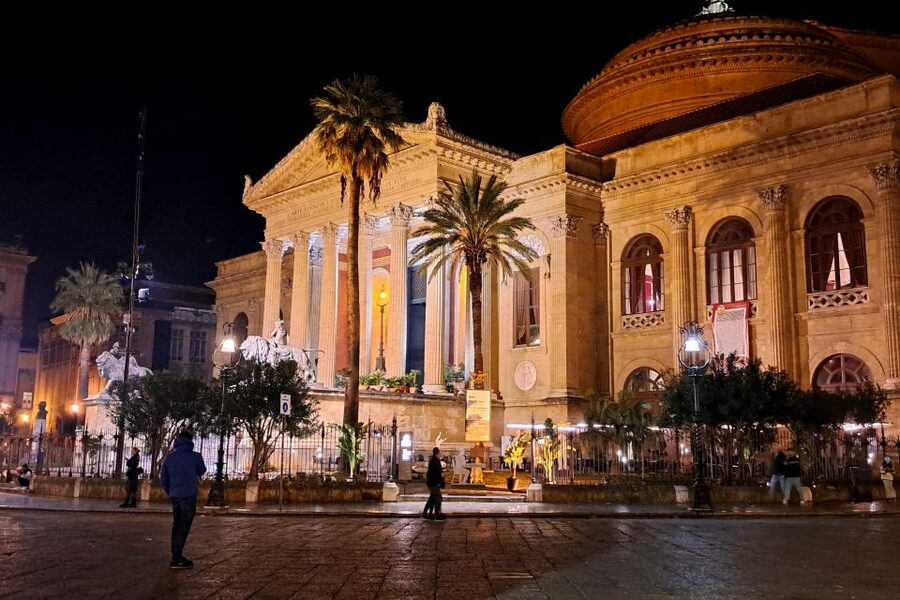
You meet in front of the main gate of Palazzo della Borsa, where you’ll see the guide wearing a red tag. That matters more than it sounds. In Naples, landmarks are your lifeline, and a clear starting point means you spend time walking instead of searching.
From here, the tour sets up a simple rhythm: you move from landmark to landmark, but the guide keeps the thread going with stories. The result is that even busy streets feel organized. And because the schedule is tight—3 hours—you’ll want to keep your phone handy for maps only, not for constant detours.
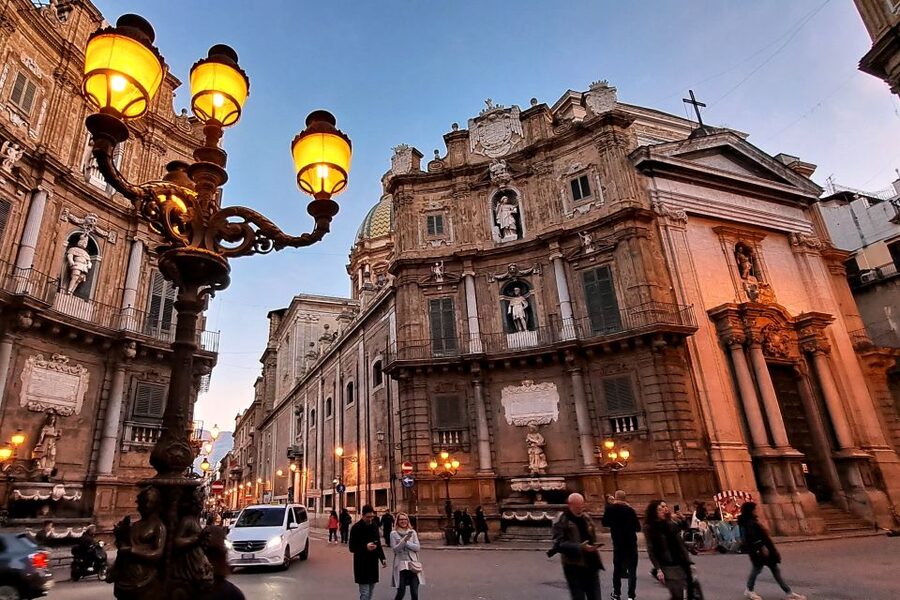
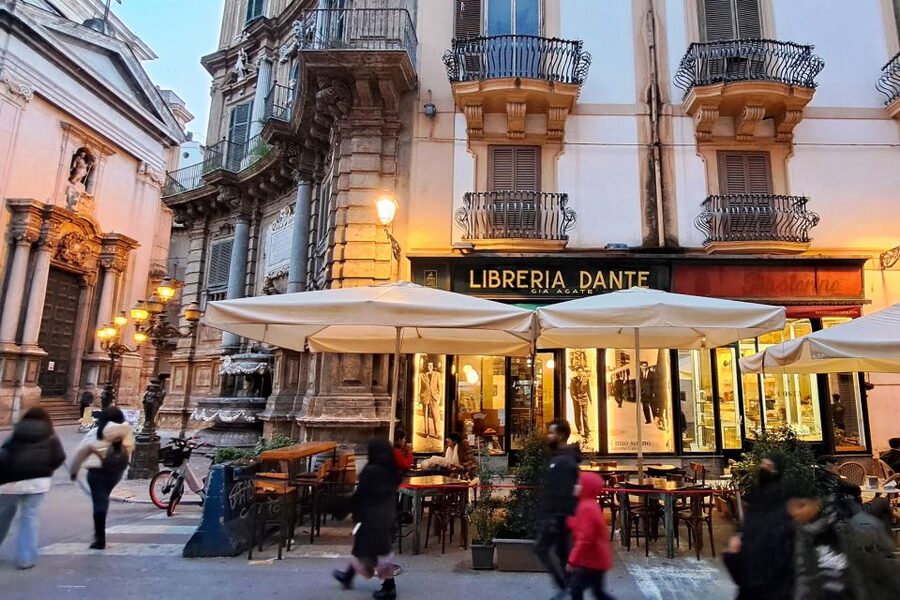
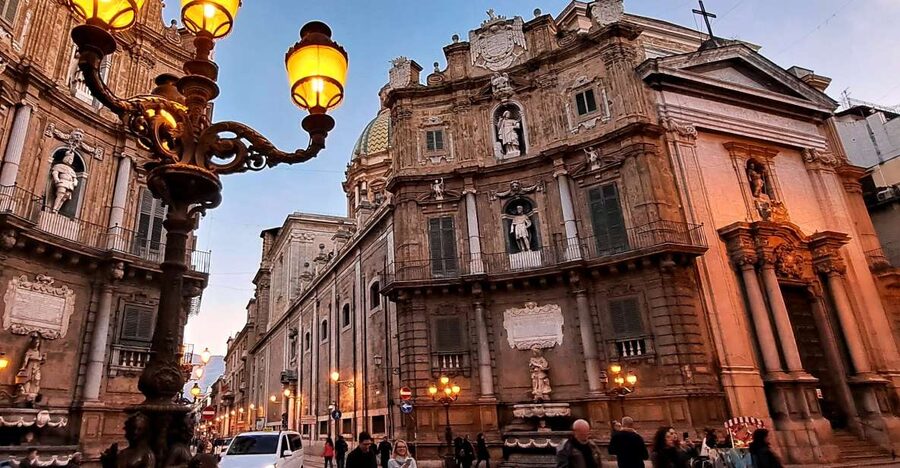
More of the old centre on foot, from the Quattro Canti to the markets.



Dracula’s tomb, Caravaggio, and Pino Daniele: the tour’s “why”
A lot of walking tours show buildings. This one tries to explain why those buildings matter in local memory.
Early on, you’ll hear the mystery around a church said to house Count Dracula’s tomb, then you’ll walk through alleys tied to Caravaggio—including an incident described as a near-fatal duel connected to a famous inn area. It’s the kind of legend that can sound theatrical, but in Naples the stories often function like street-level history: they tell you what people thought was important, scary, or worth talking about.
Then there’s Pino Daniele—you’ll see the childhood home location referenced on the route. That musical stop helps the tour feel less like a museum loop and more like a map of real Neapolitan culture across time.
Practical thought: because these are story-driven segments, you’ll get the most if you can follow the guide’s Italian without constantly translating in your head.
Spaccanapoli and Santa Chiara: the spine of Naples
Next comes Spaccanapoli, often described as the city’s ancient backbone. Walking it on foot is one of those Naples experiences that changes your pace. You stop seeing it as a street and start feeling it as a timeline.
You’ll visit the Santa Chiara Complex, known for the tombs of the Bourbon Kings. Even if you’re not a fan of royal history, these kinds of spaces tend to do something useful: they shift the tone from street life to power, ritual, and permanence. It’s one of the stops where you start understanding how Naples layers authority on top of everyday life.
Right after, you’ll head to Chiesa del Gesù Nuovo, described as an enigmatic Baroque masterpiece. Baroque in Naples is rarely subtle. It’s meant to move you emotionally, not just inform you. On this kind of route, it works best when you treat it like atmosphere—look up, slow down, then move on.
Piazza Bellini and the Greek walls: where old and young coexist
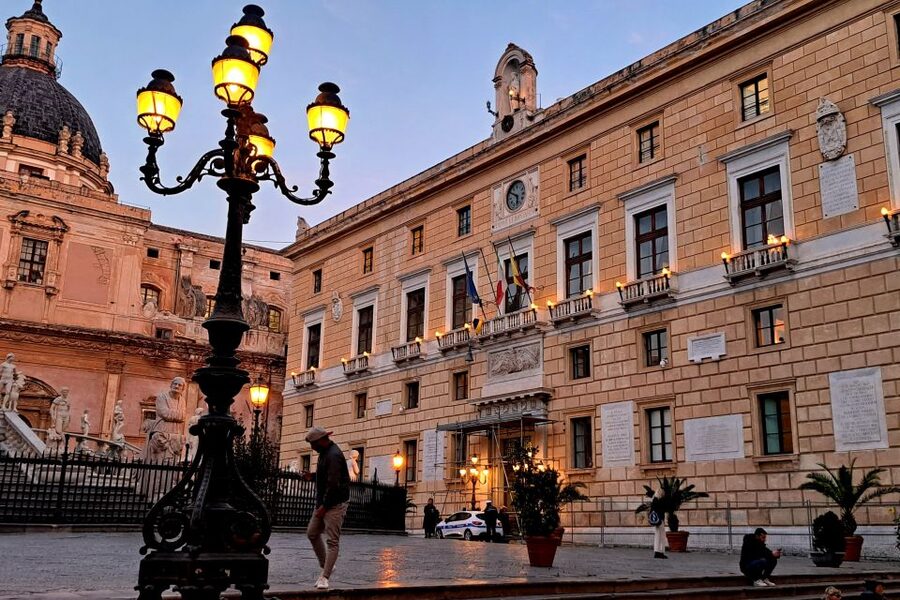
The tour brings you to Piazza Bellini, where you can see ancient Greek walls living alongside modern Naples energy. This stop is more than a photo opportunity. It’s a reminder that the city’s layers aren’t museum layers behind glass. They’re physically there, in daily sightlines.
In the same area, you’ll also hear about the conservatory connections—Ruggero Leoncavallo and Riccardo Muti are mentioned as greats who studied there. Even if you don’t know their work, the practical point is this: Naples turns art education into a living tradition, not a distant past.
If you like walking tours that make you feel how neighborhoods think, this section does that job.
San Domenico Maggiore and the Aquinas connection
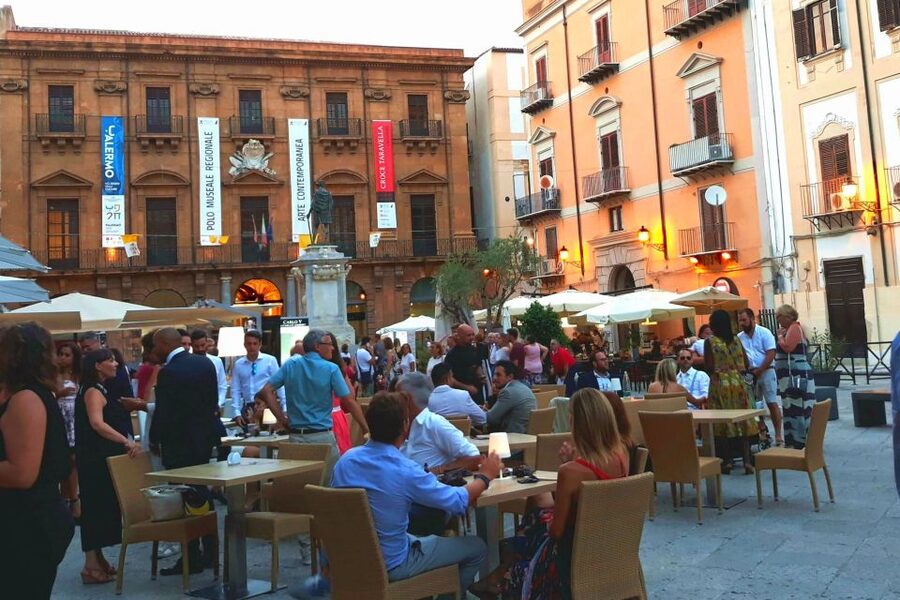
Now the route shifts deeper into church culture with San Domenico Maggiore. You’ll see the church and convent area and learn the connection to St. Thomas Aquinas, who is noted as having been associated with the space.
This matters because Naples’ churches aren’t just religious sites. They’re also identity markers. A stop like this gives you context for later art you’ll see in other places—especially when the guide explains how devotion and art overlap in everyday imagination.
The big “value” here is not only what you see. It’s how the tour teaches you to notice what’s meaningful to Neapolitans.


San Gregorio Armeno and the presep gender of Naples
When you reach San Gregorio Armeno, you’ll be in the famous area associated with the presepi, the Nativity scene craft tradition. This is one of those Naples realities that can’t be fully understood from pictures.
You’ll likely feel it as you walk: it’s a market-world vibe, with handmade religious art and local style. Even if you visit outside the holiday rush, the street identity sticks. It’s not a polished souvenir zone the way some cities do it. It’s more like a craft district that also happens to be tourist-friendly.
Pair this stop with the earlier story segments and the route starts to feel consistent: Naples tells its beliefs in stone, music, and street craft.
Sansevero Chapel and the Veiled Christ moment
The tour includes the Sansevero Chapel, with the famous Veiled Christ referenced on the route. This is a big-ticket visual stop, and it’s also a great test of whether a church visit can be worth your time without feeling like a chore.
Even if you’re cautious about “famous artwork overload,” this specific stop tends to land because it’s immediately legible. You don’t need a long background reading list to sense why people react strongly here.
One consideration: museum admission fees are not included, so if any part of the Chapel experience requires ticketing, you’ll be responsible for that cost.
San Lorenzo Maggiore and the idea of the city under the city
Next you’ll visit San Lorenzo Maggiore and hear about the buried city beneath the streets. That idea—Naples having layers below your feet—is one of the tour’s best themes.
This isn’t just cool trivia. It changes how you look at everything around you. Streets stop feeling like flat space and start feeling like a living cover over earlier eras—Rome-era, Greek-era, and more.
If you like walking tours that make you reinterpret everyday terrain, this section will work. If you prefer action-focused stops with minimal talking, you might find this part a bit more “story and context” than you expect.
Nile God statue and the reuse of Rome’s leftovers
The tour also points you toward the Statue of the Nile God, described as the Body of Naples. That symbolism matters here. It’s an artful way to talk about Naples as a body of water, history, and power all at once.
Then you’ll reach Basilica di San Paolo Maggiore, built directly on ruins of the Temple of the Dioscuri. The guide highlights the massive Corinthian columns on the facade and the idea that Naples doesn’t erase the past—it repurposes it.
This is a practical lesson wrapped in architecture: when you see older elements reused, you learn to stop treating history like a museum label. In Naples, it’s part of the building logic.
The Banksy mural stop: street art inside a classic route
Highlights include visiting an exclusive mural by Banksy. This is a nice bridge if you worry the tour will be only churches and legends.
Because the route already mixes Dracula lore, Caravaggio, and Neapolitan music history, the street-art moment feels like the same city logic in a different medium. It’s also a good reminder that Naples modern identity is not separate from its older layers.
Tip for your planning: street art is best seen slowly. Don’t rush your photos. Check the details for context while you’re there, because you can’t always revisit the exact spot in the same way.
Heading to Via Duomo: the Duomo and San Gennaro’s Treasure
Finally, you reach Via Duomo and the Duomo itself. The tour includes entering quietly to admire the Royal Chapel of the Treasure of San Gennaro.
This is where the emotional center of the walk shows up. The guide frames it as a mystical heart of the city where faith and art connect tightly to local devotion. Even if religious ritual isn’t your main interest, the presentation is meant to help you understand why people care.
This chapel stop is also a nice pacing tool. After legend-heavy streets, you get something grounded and immediate—gold, bronze, and devotion you can’t easily reduce to a quick photo.
Finishing with coffee and sfogliatella: how to extend the day
The tour concludes with an authentic Neapolitan coffee and a sfogliatella at a historic pastry shop. Food and drinks aren’t listed as included, so you should treat this as an end-stop where you can buy refreshments if you want.
Still, it’s a smart move. Walking tours often stop at a cathedral and send you off in panic. This one aims to give you a gentle landing: a local snack, a familiar taste, and a chance to ask the guide what to do next.
And that’s where the included suggestions about more attractions become practical. If you want to keep exploring after the 3 hours, you’ll likely get a short list of what fits your interests.
Price and value: what $35 buys you in 3 hours
At around $35 per person for a 3-hour walking tour, the value comes from two things: density and guidance.
You get a route that covers the UNESCO historic center with major sights (Spaccanapoli, Duomo) plus multiple church stops (San Domenico Maggiore, San Lorenzo Maggiore, Santa Chiara, Gesù Nuovo) and cultural anchors (San Gregorio Armeno, Banksy mural). You’re not just ticking boxes. The guide ties each place to a story thread—legends, artists, and local figures.
Also, you get an actual professional guide, not an audio-only walkthrough. The human storytelling matters in a place like Naples where the difference between seeing and understanding is often just a few minutes of explanation.
Two reminders for value: museum admission fees may apply for certain stops, and food/drinks aren’t included. So budget a bit extra if you want the full end-of-tour snack.
Group energy and what the guide style feels like
From the way guides are described, this tour tends to feel energetic but organized. Names like Fabrizio and Maurizio appear in the guide notes, and people specifically call out that the guides were prepared and able to keep things moving without turning it boring.
One detail that’s useful for you: a participant noted that individual earphones made following the guide easier, especially when the group had multiple people. If you’re sensitive to noise or think you’ll struggle hearing in crowded streets, that’s a good sign to look for on the day.
Because it’s story-driven and packed into 3 hours, the pacing is the point. You’ll want to show up on time and be ready to walk.
Who should book this Naples tour (and who should skip it)
This tour is a good fit if:
- you like walking through cities with a story thread, not just a checklist
- you want a UNESCO historic center overview with real landmark stops
- you enjoy art and legends that feel connected to daily Naples, not separate from it
You might want to skip or choose a different option if:
- your Italian is limited and you can’t comfortably follow spoken Italian for 3 hours
- you prefer self-paced museum time over church interiors and guided explanations
Should you book this Napoli walking tour?
Book it if you want a smart, compact way to see Naples’ historic center while understanding the city’s legends and artistic references in context. The route balances big names like Spaccanapoli and the Duomo with places that make Naples feel specific, from San Gregorio Armeno to the Sansevero Chapel stop.
Skip or rethink if language is your weak spot. With Italian-only instruction, the tour only works at full strength when you can follow the guide without constant effort.
FAQ
Is the tour only in Italian?
Yes. The tour takes place only in Italian, so you’ll want to be comfortable following spoken Italian for about 3 hours.
How long is the Naples centro storico tour?
It lasts 3 hours.
Where do we meet?
You meet in front of the main gate of Palazzo della Borsa. The guide will wear a red tag that says tour guide.
Which major sites does the tour include?
The tour includes the UNESCO historic center and visits Spaccanapoli and the Duomo, plus several basilicas and churches such as San Domenico Maggiore, San Lorenzo Maggiore, and Santa Chiara.
Do I need to pay for museum admissions?
Museum admission fees are not included, so if any stop requires a paid ticket, you’ll pay that separately.
Are food and drinks included?
Food and drinks are not included. The tour ends with the option to savor Neapolitan coffee and a sfogliatella at a historic pastry shop.
What happens if the weather is bad?
In the event of a storm or adverse weather forecast, the tour could be postponed.
Can I cancel for a full refund?
Yes. You can cancel up to 24 hours in advance for a full refund.
More Tour Reviews in Palermo
More Palermo Old Town Walks

After something else? More tours and day trips around Palermo and western Sicily










Palermo Historic Center Walking Tours, compared.
 ★ 4.8NO Mafia Walking TourFrom $402,431 reviews
 ★ 5.0Palermo Original Street Food Walking Tour by StreatyFrom $832,105 reviews
 ★ 4.9Street Food and History Walking TourFrom $541,294 reviews
 ★ 5.0Palermo No Mafia walking tour: discover the Anti-mafia culture in SicilyFrom $391,011 reviews
 ★ 4.7Private Custom Walking Tour with Local GuideFrom $53661 reviews
 ★ 4.9Street Food Walking Tour with Local Guide & TastingFrom $52632 reviews
 ★ 5.0Palermo Walking Tour and Street FoodFrom $48617 reviews
 ★ 4.8UNESCO World Heritage Sites Guided Walking TourFrom $41548 reviews
Browse the lists this tour appears in