
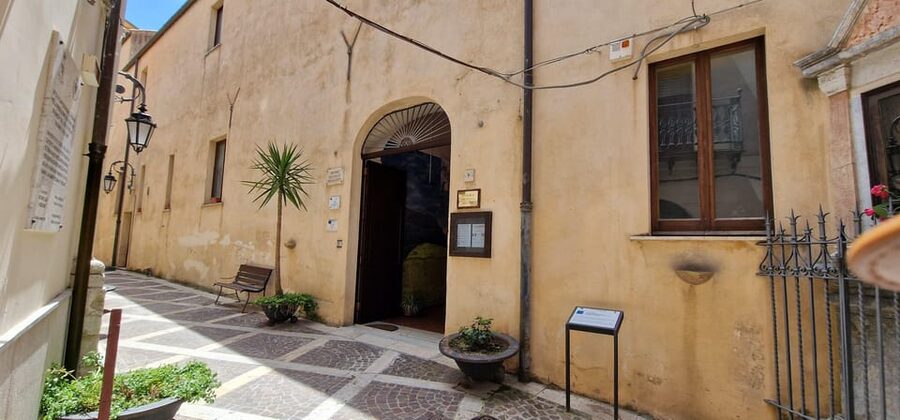
Reviewed · GODFATHER, CORLEONE & ANTI-MAFIA TOURS
Corleone: Guided Tour of the C.I.D.M.A – Anti-Mafia Movement
Corleone keeps receipts for justice. At CIDMA (the International Documentation Center for the Mafia and the Anti-Mafia Movement), you see how Sicily’s anti-mafia struggle was documented with authentic trial records and powerful Battaglia photojournalism. It’s history you can point to—paper, images, and testimonies that make the subject feel painfully real.
I especially like how the tour focuses on the fight against the Mafia as an organized, documented effort—not just a list of crimes or movie-style myths. My one consideration: it’s a serious, fact-based visit in a relatively short time (1 hour), so if you want lighter storytelling or a lot of extra context, plan to ask questions while you’re there.
In This Review
- Key things you’ll notice at CIDMA
- Why CIDMA in Corleone feels different
- The 1-hour flow: what the guided visit actually covers
- Walking in near Piazza Giuseppe Garibaldi: practical meeting point tips
- The Maxi Trial folders room: why the faldoni hit hard
- The Battaglia photos: seeing the human cost behind the case
- How the guide changes the experience (and how to use the language options)
- Is it “Mafia” tourism or anti-mafia education?
- Price and value: $11 for an hour of proof, not performance
- Who should book CIDMA, and who might skip it
- Book it? My take on the CIDMA guided tour
- FAQ
- How long is the CIDMA guided tour in Corleone?
- How much does the tour cost?
- Where is the meeting point?
- What languages are available for the live guide?
- Is the entrance ticket with the guide included?
- Is there free cancellation?
Key things you’ll notice at CIDMA
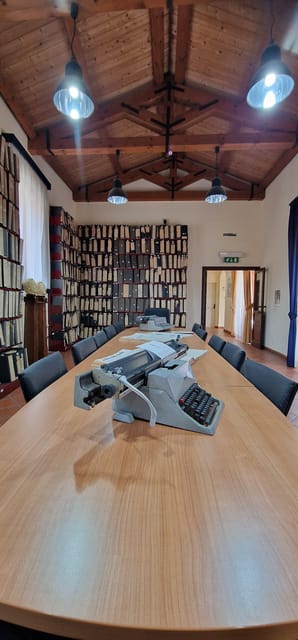
- Faldoni from the Palermo Maxi Trial: thousands of real documents tied to a turning point in Italian justice
- Guides with clear historical framing: enough structure to connect the dots without drowning you in facts
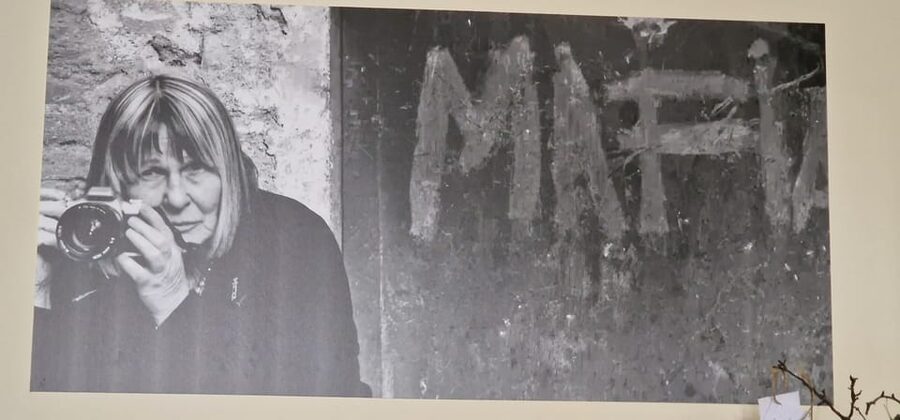
- Letizia and Shobha Battaglia photos: faces and consequences, not abstract statistics
- A “then and now” message: past evidence presented alongside the ongoing anti-mafia movement
- A gallery-style visit: you’ll move through rooms focused on documents, folders, and imagery
Why CIDMA in Corleone feels different
CIDMA is in Corleone, a town Sicily wears like a headline when the Mafia comes up. But this center doesn’t trade in legends. It’s built around documentation: unpublished materials, photos, and testimonies that show what people lived through and what justice required.
That matters because the word Mafia is everywhere, but accuracy is rare. This tour pushes you toward the real machinery of the anti-mafia fight, with evidence you can actually see in the room. And for many people, that’s the first real correction to the Godfather-style imagination.
You’re also paying for more than a room tour. The experience is guided (included with your ticket), and the guide connects the artifacts—so you don’t leave staring at documents without knowing what you’re looking at.
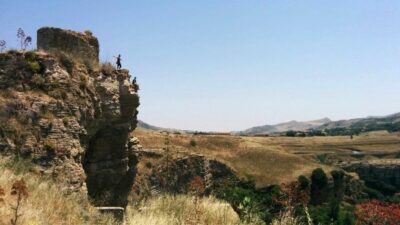
The Corleone road and the anti-mafia story behind the films.
The 1-hour flow: what the guided visit actually covers
Your visit is short by design: about 1 hour with a live guide. You’ll walk through CIDMA’s spaces at a steady pace, spending your time where the center’s story is most tangible—trial documentation and photo evidence.
Even though the tour is compact, it aims to hit three main targets:
- the history of the anti-mafia movement (as told through documents and testimonies)
- the Palermo Maxi Trial materials housed in the center
- the Battaglia photos and what they reveal about life under Mafia pressure
Because it’s timed, you’ll want to arrive ready to listen and look. If you arrive flustered, you’ll feel the squeeze. If you arrive with a calm pace, you’ll get a lot more out of the hour than you might expect for a low price.
Walking in near Piazza Giuseppe Garibaldi: practical meeting point tips
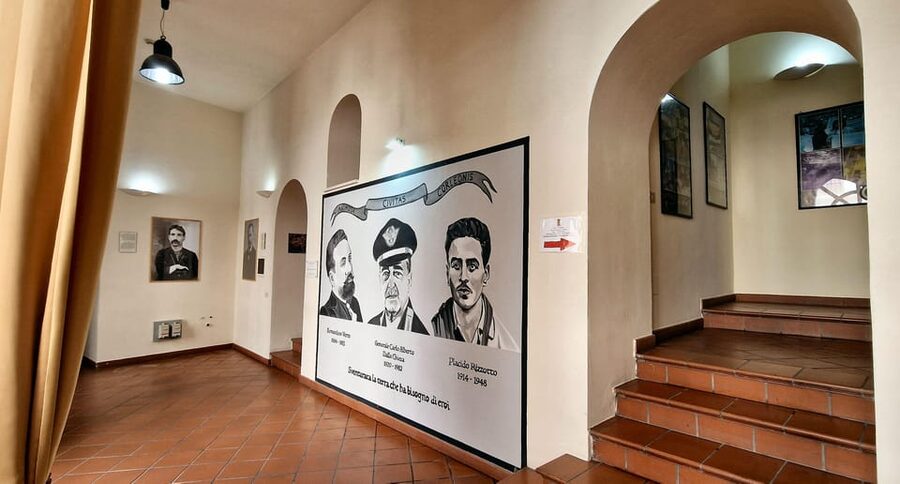
The center is located near Piazza Giuseppe Garibaldi, at 7 G. Valenti Street (Corleone). This is useful because it anchors your arrival to a known public area—handy when you’re switching from streets to something indoor and quiet.
I suggest you give yourself a few extra minutes to find the exact door and settle in. In a museum-style setting, the first minutes matter: once you’re in the flow, you’ll want your attention on the documents and images, not on orientation.
If your language is English or Spanish (or Italian), confirm you’ve got the right tour start time before you head in. Some content may be shown in its original language, so knowing you’re ready for that helps you avoid disappointment.
The Maxi Trial folders room: why the faldoni hit hard
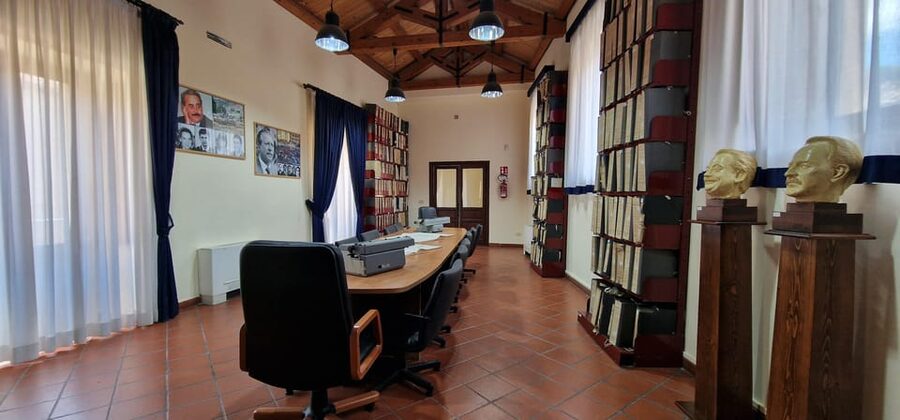
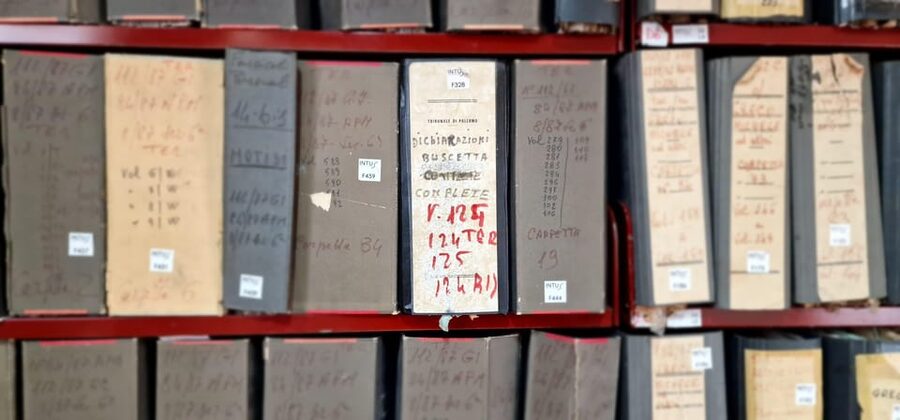
The centerpiece experience is the room focused on the faldoni—the folders tied to the Palermo Maxi Trial. This trial is described as the largest Mafia trial held in Italy, and CIDMA uses the materials from it to show how justice was built through evidence.
What you should take from the folders isn’t just that the trial happened. It’s that the anti-mafia fight required paperwork, process, and courage from people willing to challenge illegality. The folders are described as tangible witnesses to that courage, and when you’re standing near them, you get the sense that legal change didn’t appear out of nowhere.
The folders symbolize a turning point: they represent the kind of institutional attention the Mafia had long avoided. In other words, the trial materials show the shift from fear and silence toward documentation and accountability.
One practical note: this part can feel intense because you’re looking at evidence related to real violence and real intimidation. If you’re sensitive to heavy material, keep that in mind. I’d rather you show up prepared than surprised.
The Battaglia photos: seeing the human cost behind the case
The tour becomes even more personal with the photos of Letizia Battaglia and Shobha Battaglia. You’re not just shown portraits. You’re shown the drama of daily life in Sicily under the Mafia’s shadow, and the strength of people who fought for something better.
Letizia Battaglia is a major photojournalist, and the center uses her work to connect the subject to real faces and real consequences. Shobha Battaglia’s presence alongside her adds an intergenerational dimension to the story of resistance and witness.
Here’s the takeaway I’d underline for you: the photos help you see that the anti-mafia movement wasn’t only a courtroom story. It was also lived, photographed, and carried through people’s choices and risks.
There is one consideration, based on what different visitors seem to want: some people feel the photo segment could use more explanation. If that sounds like you—if you like historical context layered on top of imagery—go in ready to ask your guide questions in plain language. A good question can turn a photo room from “powerful” into “understandable.”
How the guide changes the experience (and how to use the language options)
CIDMA offers guided tours in Italian, English, and Spanish. That’s a big deal here because the core of the visit is meaning: you’re looking at documents and photos, and the guide provides the story that makes those artifacts legible.
In my view, a guide matters most in two moments:
- when you need a timeline connection (how the past links to the ongoing anti-mafia movement)
- when you need the right framing for what you’re seeing in folders and photographs
Also, the tour notes that some content may be shown in its original language. That doesn’t mean you’ll be left out. It means you should be prepared for the fact that not everything is translated in every artifact display. If you care about extracting every detail, that’s another reason to lean into the Q&A with your guide.
If you prefer a guide who is precise but not overbearing, you’re likely in the right place. The tour experience is structured enough that you won’t feel lost, but it still leaves room for questions in the real moment you’re looking at an image or folder.
Is it “Mafia” tourism or anti-mafia education?
This is where CIDMA earns its value. Many people arrive with the Mafia filtered through film—stylized violence, gang aesthetics, and simplified good-vs-evil. CIDMA works against that. It gives you a clearer view of the real Mafia and, crucially, the people who sought justice against it.
So yes, it’s Mafia-related. But it’s also explicitly about resistance, evidence, and collective memory. That’s why the setting in Corleone matters. The center doesn’t treat the Mafia as folklore. It treats it like a documented force that can be answered with documentation and moral courage.
If you’re the type who wants your travel to correct your assumptions, you’ll probably like CIDMA a lot. If you’re expecting something like a dramatic guided walk-through with entertainment beats, you might feel the tone is too serious and too evidence-driven for your taste.
Price and value: $11 for an hour of proof, not performance
At $11 per person for an included-guided entry lasting about 1 hour, the value is strong for a few reasons.
First, the content is unusually specific: the center focuses on a major trial’s documentation and on notable photojournalism from the Battaglia family. That’s not generic “Mafia museum” material where you mostly read the same themes.
Second, you’re paying for interpretation. Documents and photographs don’t automatically explain themselves in a visitor-friendly way, and CIDMA’s approach includes a live guide in Italian, English, or Spanish. Even with a short duration, guided framing helps you leave with real understanding.
Third, the price positions CIDMA as accessible. You can slot it into a Sicilian day without turning it into a big-budget museum detour.
Who should book CIDMA, and who might skip it
You should strongly consider booking if you:
- like history, courts, and the way evidence shapes outcomes
- want to understand Sicily beyond stereotypes
- care about photojournalism and what documentary images can communicate
- enjoy guided context that turns objects into meaning
You might think twice if you:
- want a relaxed, casual stop with light content
- dislike emotional or serious material tied to real crimes
- prefer very long storytelling—because the visit is only about an hour
One more practical tip: since the visit is tightly timed, go in with the mindset that you’re getting the core story, not every possible detail. If you leave wanting more, that’s usually a sign to follow up with additional reading after.
Book it? My take on the CIDMA guided tour
If you want one Corleone activity that’s real, grounded, and different from Mafia movie fantasies, I’d book CIDMA. The combination of Palermo Maxi Trial documentation and the Letizia and Shobha Battaglia photographs makes the anti-mafia story feel concrete—like you’re seeing the evidence behind the idea.
Just be honest with your expectations. This isn’t a “thrills” stop. It’s a focused, serious hour of documented resistance. If that matches your travel style, you’ll likely walk out with a clearer, more accurate sense of what the anti-mafia movement required—and what it cost.
FAQ
How long is the CIDMA guided tour in Corleone?
The tour lasts about 1 hour.
How much does the tour cost?
The price is listed as $11 per person.
Where is the meeting point?
The center is near Piazza Giuseppe Garibaldi, at 7 G. Valenti Street in Corleone.
What languages are available for the live guide?
The live tour guide is offered in Italian, English, and Spanish.
Is the entrance ticket with the guide included?
Yes. Entrance to the center with a guide included is part of what you pay for.
Is there free cancellation?
Yes. You can cancel up to 24 hours in advance for a full refund.
More Tour Reviews in Corleone Sicily
More Godfather and Corleone Days
After something else? More tours and day trips around Palermo and western Sicily
Godfather, Corleone & Anti-Mafia Tours, compared.
 ★ 4.8NO Mafia Walking TourFrom $402,431 reviews
 ★ 5.0Palermo No Mafia walking tour: discover the Anti-mafia culture in SicilyFrom $391,011 reviews
 ★ 3.8Half-Day Corleone ExcursionFrom $82182 reviews
 ★ 4.6Anti-Mafia Heroes Evening Walking TourFrom $39172 reviews
 ★ 5.0The Godfather Origins of Mafia: Corleone & Visit Monreale DuomoFrom $29873 reviews
 ★ 5.0Mafia Tour of Corleone with Hotel PickupFrom $29434 reviews
 ★ 4.9Anti-mafia Bike TourFrom $4528 reviews
 ★ 5.0Corleone: Beyond the Godfather Walking TourFrom $5814 reviews
Browse the lists this tour appears in