
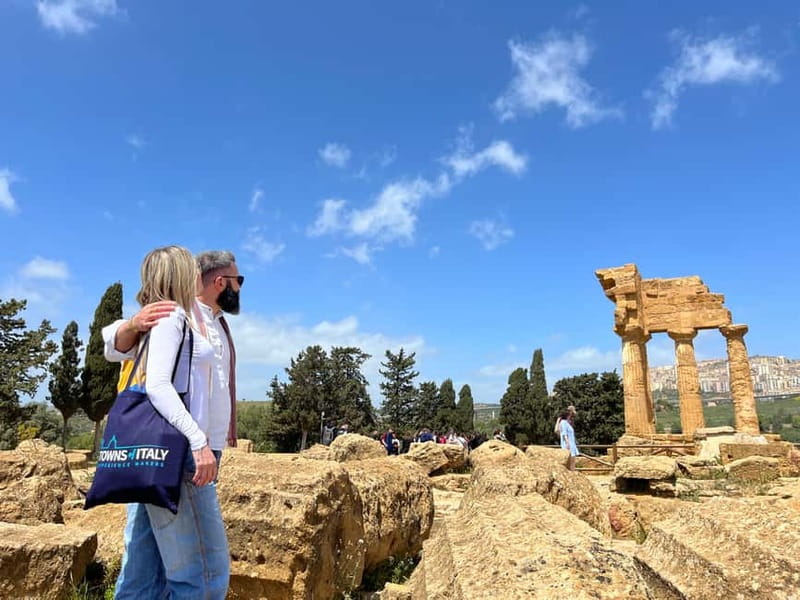
Reviewed · AGRIGENTO & SCALA DEI TURCHI DAY TRIPS
Agrigento: Valley of the Temples Premium Guided Tour
Ancient temples glow at sunset in Sicily. This Valley of the Temples tour is built for first-timers who want context fast, with an English-speaking guide leading you through Doric giants and out toward the best light for photos. You’ll also get entry handled for you, so you spend more time looking up than figuring out paperwork.
I particularly like how the guide work goes beyond naming ruins. With guides such as Anna, Enza, Nicole, Mario, and Benedetto referenced in real experiences, the emphasis lands on turning those stones into a story about Greek roots in Sicily. Another big plus: entrance tickets are included, which makes the price feel more like a bundled value than a bare guided stroll.
One consideration: this tour is not suitable for wheelchair users or guests with impaired mobility. If you need step-free access or extra assistance, you’ll want to look for a different format before you book.
In This Review
- Key Highlights Worth Your Attention
- Why Agrigento’s Temple Valley Feels Like Ancient Greece
- What Premium Means Here: Tickets Included and a Live English Guide
- Porta di Giunone: Where You Start and How the Route Gets Moving
- Stop 1: Temple of Hera Lacinia and the Art of Reading Doric Lines
- Stop 2: Temple of Concordia and Why It’s the Crowd Favorite
- Stop 3: Temple of Olympian Zeus and the Big-Sky Feeling of Ruins
- The Sunset Factor: When Timing Actually Matters
- How the Tour Feels in Real Time: Pace, Questions, and Photo Stops
- Practical Stuff That Affects Your Day: Price, Transport, and What to Pack
- Who Should Book This Agrigento Temple Tour (and Who Should Skip)
- Should You Book This Tour or Do It Alone?
- FAQ
- How long is the Agrigento: Valley of the Temples premium guided tour?
- What is included in the tour price?
- Is hotel pickup included?
- Do I need to buy entrance tickets in advance?
- Where do I meet the guide?
- What temples are visited during the tour?
- Is the tour suitable for wheelchair users or people with impaired mobility?
- Is the tour available in English?
Key Highlights Worth Your Attention
- English-speaking licensed guidance: you get clear explanations in plain language, not a rushed lecture
- Temple tickets included: skip the ticket line so you can start seeing right away
- Doric temples at their best angles: great photo stops along the way
- Told as a Greek-Sicilian story: the past connects to the modern island
- Sunset-focused pacing: plan for late-day light without feeling like you’re sprinting
Why Agrigento’s Temple Valley Feels Like Ancient Greece
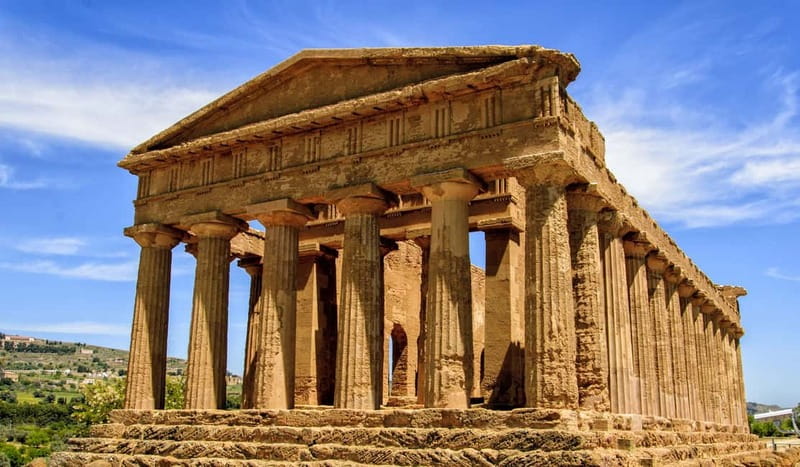
Agrigento’s Valley of the Temples is one of those places where the setting does half the talking. Even when several structures are in ruins, you still read the scale instantly: columns, proportions, and the stubborn “we meant this to last” feeling of Greek Doric design. This is not just sightseeing. It’s pattern recognition—once you know what you’re looking at, the whole valley snaps into place.
What I like about doing this with a guide is that Agrigento’s story isn’t stuck in the past. The area used to be one of Sicily’s most important Greek centers, and that influence still shows up in how people talk about heritage and identity today. A good guide helps you notice the blend: Greek architectural ideas alongside Italian life around it. The best tours make that connection feel natural, not forced.
Also, the valley rewards movement. You’re walking between viewpoints, so your brain keeps getting new angles on familiar-looking shapes. In a two-hour format, that matters. It’s long enough to see the big highlights and short enough to stay energized rather than drained in the heat.
If you love archaeology but hate the “basic facts only” approach, this tour is aimed right at you. It’s built for understanding—why these temples were where they were, and what the ruins are still saying.
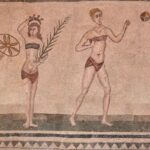
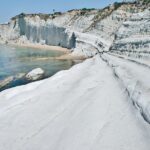
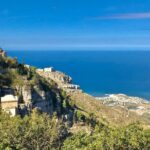
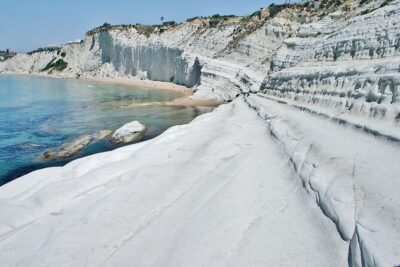
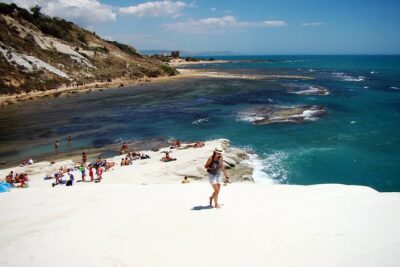
South to the temples of Agrigento and the white cliff of Scala dei Turchi.
What Premium Means Here: Tickets Included and a Live English Guide
The word premium can be marketing fluff. Here, it’s more practical than fancy.
First, the tour includes entrance tickets of the Agrigento Archaeological Park. That matters because the Valley of the Temples isn’t just a free walk-through. Entry is part of the cost, and having it included usually means fewer hassles once you arrive. It also helps justify the price—$38.43 per person starts to look like a true package when you factor in admission plus guiding.
Second, you’re not dealing with an audio guide or a smartphone translation. You have a live English-speaking guide who can adjust to your questions. In real experiences, guides like Enza and others were singled out for answering questions with confidence and patience. One detail I’d call out: some guides also bring in topics like agriculture and botany—so you’re not only learning about stones, you’re also learning what grows in and around the park and how that ties to daily Sicilian life.
Finally, this is a guided route built around photo stops and scenic viewpoints. In other words, you’re not left to improvise where to stand and when to move. That’s a big deal when you’re on a tight timeline.
Porta di Giunone: Where You Start and How the Route Gets Moving
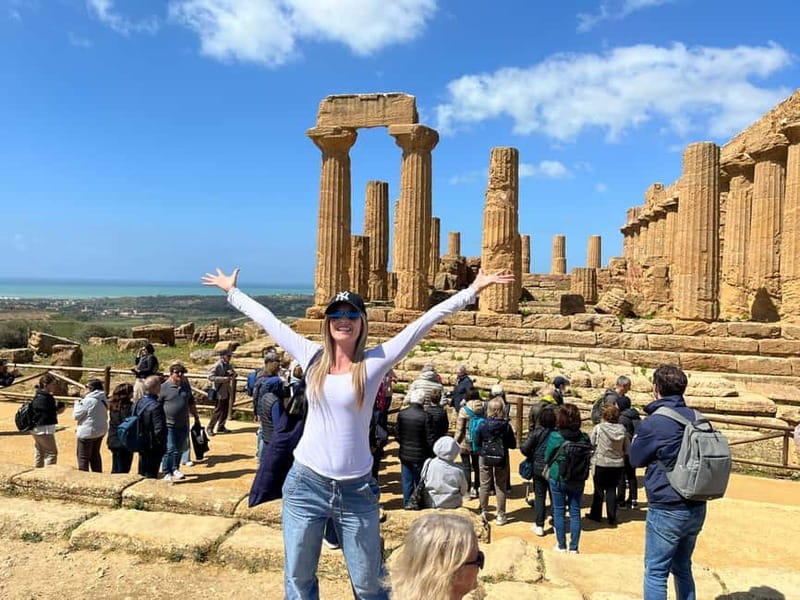
The tour begins at the ticket office by Porta di Giunone—look for the guide in front of Porta di Giunone. That starting point is helpful because it’s anchored: you’re not searching for a random statue or a vague meeting plaza.
Here’s my practical advice: arrive a few minutes early, and take a moment to orient yourself to the gate and signage. One experience highlighted that the meeting point details can be unclear if you arrive fast and assume you’ll figure it out on the spot. So don’t gamble with timing—be the person who looks early and then relaxes.
From there, the tour is designed to keep the flow simple: you start at the gate area, move through key temple zones, and return to the same meeting point. That matters because you don’t have to coordinate transportation at the end of your visit. In a place where parking and bus stops can be a headache, “back to where you started” is underrated.
Because the total time is about 2 hours, you’ll feel the pacing. The guide handles context, you get the main views, and you still have time to linger afterward on your own if you want.
Stop 1: Temple of Hera Lacinia and the Art of Reading Doric Lines
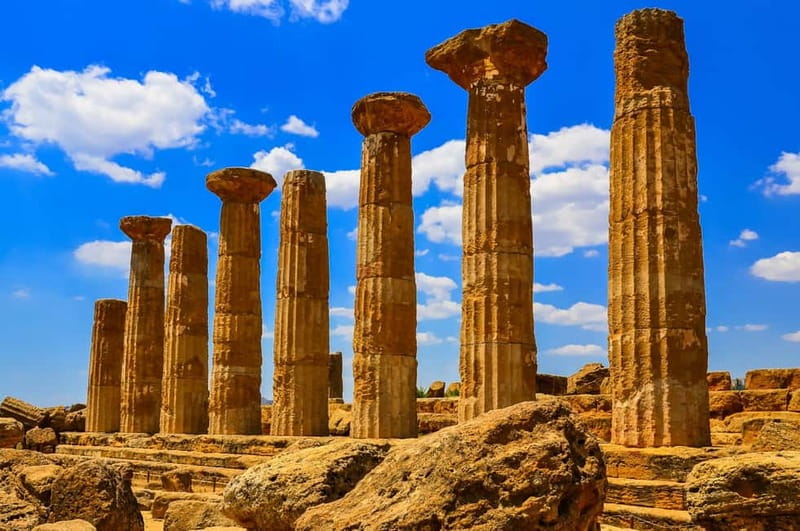
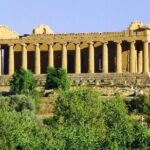
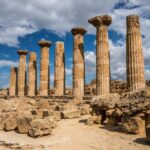
The first major temple stop is the Temple of Hera Lacinia. Even before you learn every detail, you’ll feel why this place became famous. Doric temples have a visual logic: the spacing, the vertical rhythm, the way columns look solid and weighty. When the guide points out those design cues, the ruins stop being “missing parts” and start looking like a completed plan.
You’ll get a mix of photo time and guided explanation, plus scenic viewpoints along the walk. That walk component is important. The valley is not one single photograph. It’s a sequence of perspectives that make the structures look bigger—or sometimes more fragile—depending on where you stand.
If you want to get the most from your time, use the photo stops strategically. Don’t just snap and move. Take a few seconds to look at the lines the guide highlights: how the columns align, how the temple sits in relation to the path, and what still survives clearly versus what’s fallen away.
One practical tip: if you’re traveling in a group, it’s easy to get separated during walking segments. With a guide-led tour, you’ll stay together, but you should still keep an eye on where the group gathers for the explanation. That’s where the “premium” part really pays off.
Stop 2: Temple of Concordia and Why It’s the Crowd Favorite
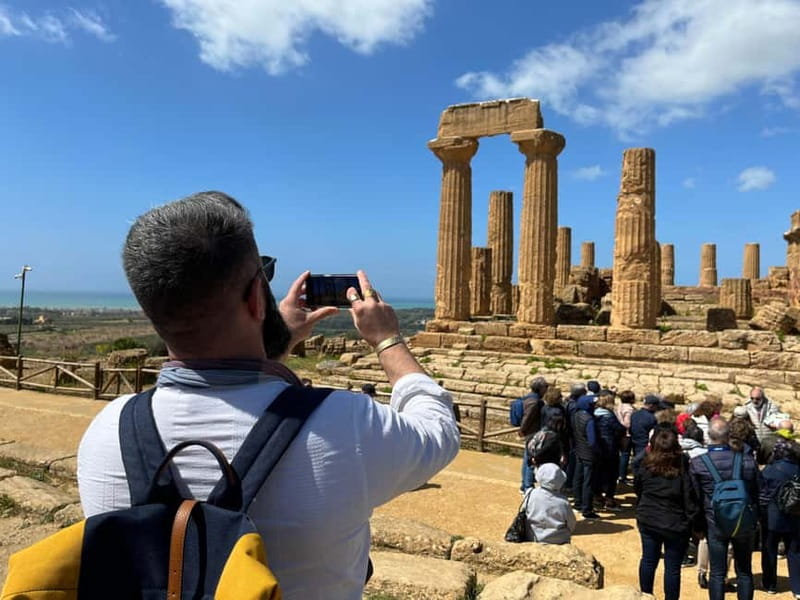
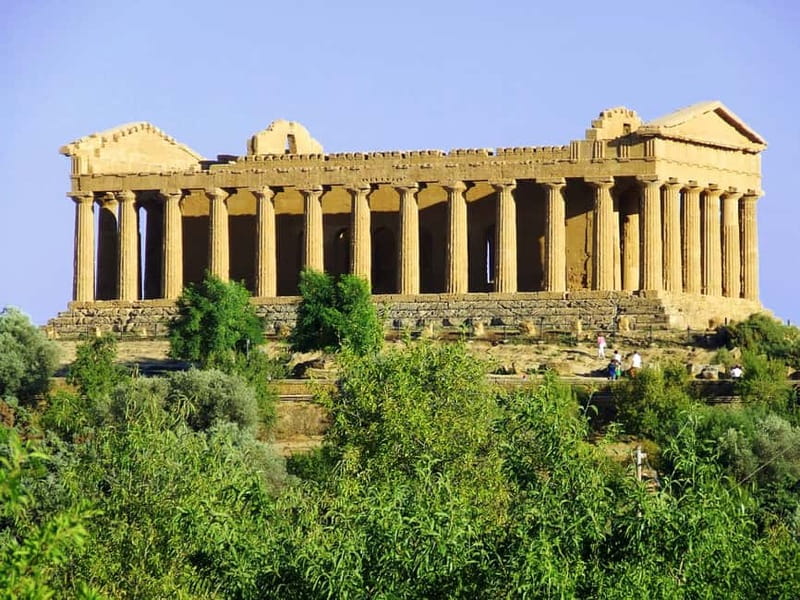
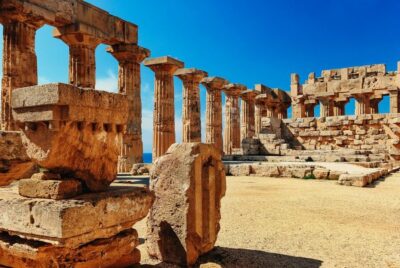
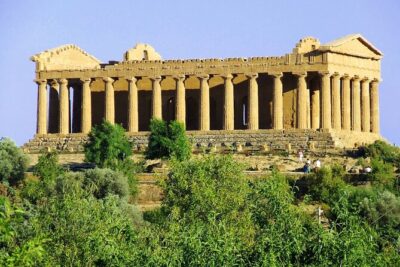
The Temple of Concordia is the kind of site that earns its reputation without needing exaggeration. It’s a temple you can really “read” even at a distance. When the guide frames it correctly, you’ll understand the difference between a ruin that only hints at a past and one that still gives you a clear sense of design.
This stop usually includes a guided segment plus time for photos. I’d treat it like your visual anchor. The valley can feel like a lot of stone if you’re not organized in your mind. Concordia helps you organize fast.
Why this one matters: it teaches you what Greek temple architecture was trying to communicate. It wasn’t only about worship; it was also about civic pride, order, and the idea that a community could build something that looked intentional from every angle.
If you like architecture, watch how the guide turns attention to shape and proportion rather than getting lost in complicated technical jargon. The most useful guidework here is the simple kind: point, explain, then show you how to see the same thing from a different position.
More Palermo days out with a local guide.





Stop 3: Temple of Olympian Zeus and the Big-Sky Feeling of Ruins
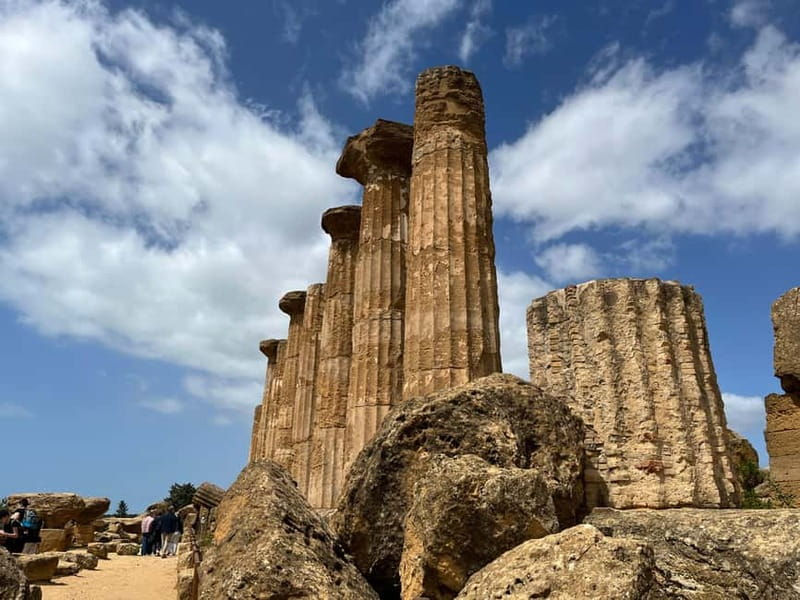
Next comes Temple of Olympian Zeus. This is where the valley shifts from “wow, those columns still work” to “wow, this is what time does.” Ruins can be frustrating if you want everything intact, but they’re powerful if you’re ready to think like an archaeologist for a moment.
You’ll get photo stops and guided walking along the way. That combination helps here because Olympian Zeus is not best understood as one single view. Instead, it’s more about scale and atmosphere—how the remains sit in the wider valley and what they suggest about the original structure’s ambition.
This is also a good place for questions. A live guide can connect what you see to how Greek settlers adapted and built in Sicily. The tour framing is built around that “Antica Grecia” feel up to modern times, so you’re not stuck just staring at stones—you’re connecting layers.
One thing I’d do in your shoes: pause at the edges of viewpoints. Don’t only aim for the postcard angle. Step slightly sideways and compare how the lines change. With Doric remains, that small shift can clarify what’s actually standing and what’s suggested by foundations.
The Sunset Factor: When Timing Actually Matters
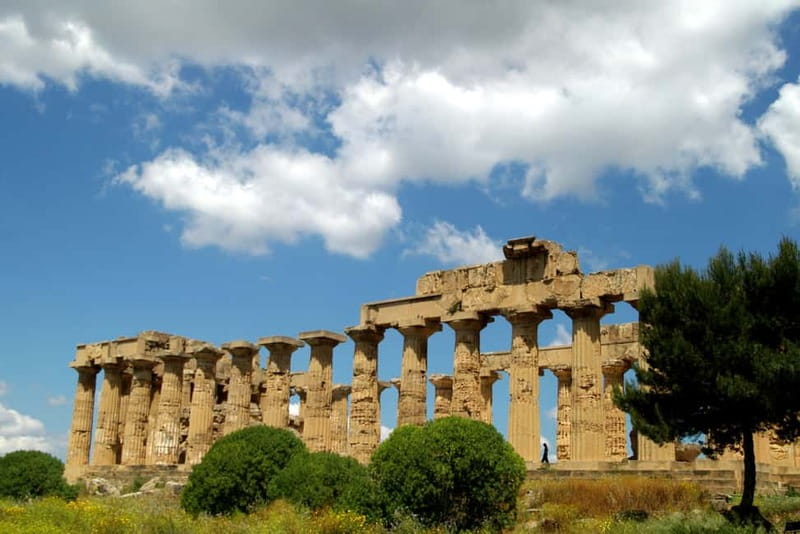
The highlights mention sunset, and that’s not a random marketing line. At sunset, two things happen at once: the light becomes softer and the shadows become longer. In a temple valley full of columns and broken edges, that’s a recipe for better photos and easier “reading” of shapes.
You’ll want to be realistic about timing. The tour is only about 2 hours, so it’s set up to focus on the key temple zones rather than dragging you through every possible corner. If you care about the light, arrive early at the meeting point and avoid being late to your own start.
Bring a small layer if you tend to get chilly near evening. Even in warm months, the temperature can drop after the sun changes angle. Wear shoes that handle uneven ground and stone paths; the park terrain can be demanding.
The best part of a sunset-focused format is psychological. You stop thinking of this as a checklist and start treating it as a short, guided “final act” to your Agrigento day. You’ll likely finish with that “now I get it” feeling—after you’ve seen the valley in sequence, not just in flashes.
How the Tour Feels in Real Time: Pace, Questions, and Photo Stops
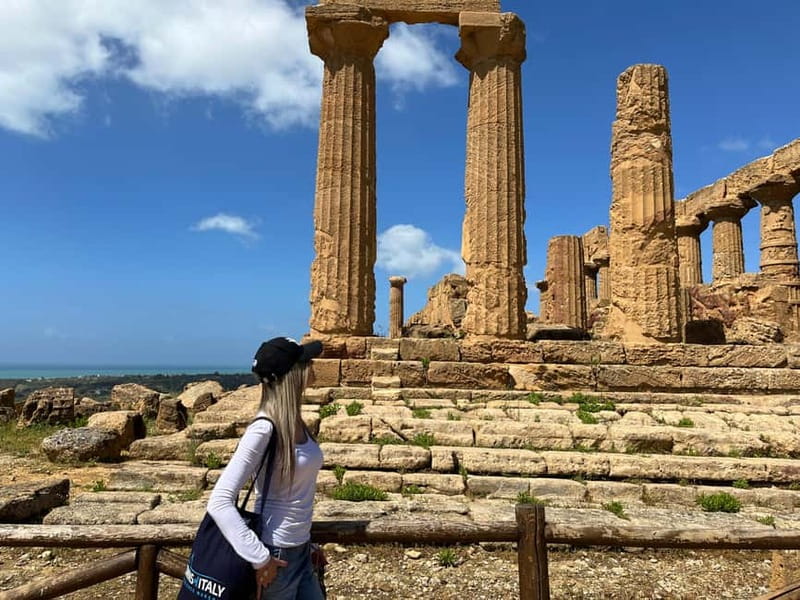
This tour is designed around a group flow that balances explanation and movement. You’ll have photo stops, guided segments, and scenic viewpoints between them. That means you’re not constantly walking, but you also aren’t stopping so long that the group loses momentum.
The most praised experiences in the guides’ work point to a specific strength: answering questions. People appreciated how guides handled curiosity, including patient responses and detailed explanations. That’s what you want if you’re the type who wonders why certain ruins survived, how the Greeks shaped city life in Sicily, or what Doric features mean.
Photo stops are also more than breaks. They’re moments when your guide can tell you where the eye should go. If you take the time to line up with the guide’s point, your photos tend to look less like generic ruins and more like structured architecture.
If you prefer a slow, quiet visit with zero talking, a guided tour might feel too active. But if you want the site to click quickly—this is a strong match.
Practical Stuff That Affects Your Day: Price, Transport, and What to Pack
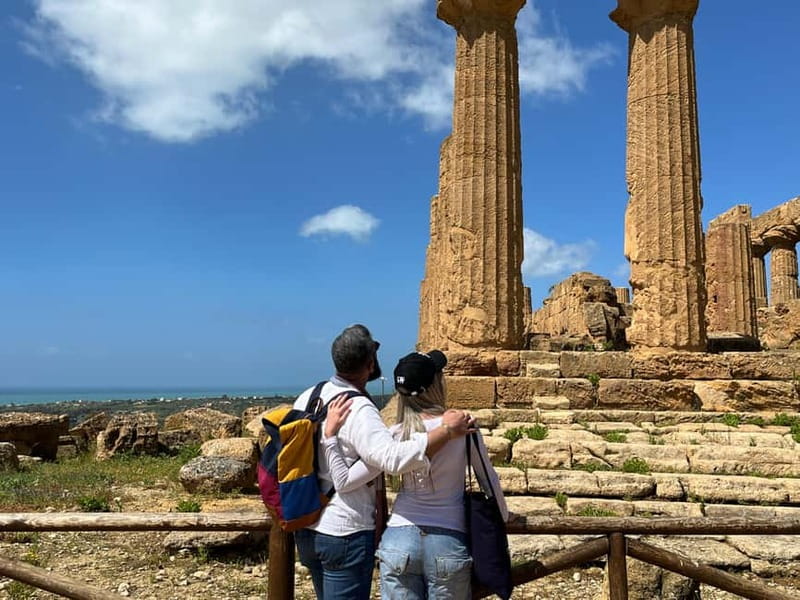
Let’s talk value, because the price is one of the first questions you’ll have.
At $38.43 per person for about 2 hours, you’re paying for:
- an English-speaking live guide
- entrance tickets included
- a guided visit inside the archaeological park
What you’re not paying for: hotel pickup and drop-off. So you’ll need to get yourself to the meeting point at Porta di Giunone. This is typical for short park tours, but it changes the math—if you’re already near the Valley area, the value feels great. If you’re far out, you’ll want to plan transport so you’re not stressed.
What I’d pack:
- comfortable walking shoes (stone paths)
- a camera or phone with enough storage (you’ll want sunset shots)
- sun protection (even during late day)
- a light layer for evening air
Also, this tour includes entry and guidance, but it doesn’t mean you should arrive without curiosity. If you can, bring one question you care about—Greek origins, why temples were built as they were, or how the valley’s modern setting relates to the ancient one. Then you’ll get the most out of those explanations.
Who Should Book This Agrigento Temple Tour (and Who Should Skip)
This tour fits best if you:
- want a guided, English-first introduction to the Temple Valley
- appreciate context about Greek Sicily and how it links to later periods
- like having photo stops and clear viewpoints so you can enjoy the site without plotting everything
You might want to skip it if:
- you use a wheelchair or have impaired mobility, because the tour is explicitly not suitable
- you’re looking for a fully independent, unstructured visit with no walking segments and no scheduled stops
For families, it can work if kids handle walking and don’t mind explanation time. For solo travelers, it’s a great “get it right the first time” option, especially when you only have a short window in Agrigento.
If you’re staying nearby and want a focused experience rather than a long museum-style day, this lands in the sweet spot.
Should You Book This Tour or Do It Alone?
Book this tour if you want Agrigento’s Temple Valley to make sense quickly. The combination of English guide + included tickets + a tight 2-hour route is exactly what helps first-timers. It’s also a good choice if you care about the details that turn ruins into understanding—how Doric design reads, why certain temples matter, and how Greek heritage echoes into modern Sicily.
Do it alone instead if you’re confident navigating the park on your own and prefer to spend your time exactly how you like, with no guide-led pacing. If you choose that route, you’ll want to spend extra time researching beforehand so you’re not just admiring columns without knowing what they represent.
My rule of thumb: if this is your first trip to the valley, guided beats DIY for most people. If it’s your second visit and you already know the basics, then independent exploring can be more fun.
FAQ
How long is the Agrigento: Valley of the Temples premium guided tour?
The duration is 2 hours.
What is included in the tour price?
Entrance tickets of the Agrigento Archeological Park and a guided tour of the archaeological park are included, along with the driver/guide.
Is hotel pickup included?
No. Hotel pickup and drop-off are not included.
Do I need to buy entrance tickets in advance?
Tickets are included with the tour, and the experience notes that you can skip the ticket line.
Where do I meet the guide?
Meet at Porta di Giunone, Valle dei Templi. Look for the tour guide in front of Porta di Giunone.
What temples are visited during the tour?
The tour focuses on Temple of Hera Lacinia, Temple of Concordia, and Temple of Olympian Zeus.
Is the tour suitable for wheelchair users or people with impaired mobility?
No. The tour is not suitable for wheelchair users or guests with impaired mobility.
Is the tour available in English?
Yes. The live tour guide speaks English.
More Guided Days in Palermo
More Tour Reviews in Palermo



More Agrigento and Scala dei Turchi Days


After something else? More tours and day trips around Palermo and western Sicily







Agrigento & Scala dei Turchi Day Trips, compared.
 ★ 4.2Agrigento and the Valley of the Temples Day TourFrom $771,240 reviews
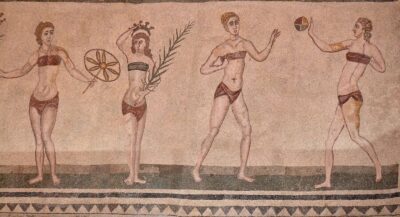 ★ 4.6Villa Romana and Valley of the Temples TripFrom $138294 reviews
 ★ 4.0Agrigento and Valley of the Temples Day Trip from PalermoFrom $81140 reviews
 ★ 4.5Agrigento Valley of the Temples and Villa Romana del Casale Tour from PalermoFrom $147134 reviews
 ★ 5.0Agrigento; Valley of the Temples, Scala dei Turchi from Palermo, Private TourFrom $38068 reviews
 ★ 4.5Agrigento: Valley of the Temples Tour – Small Group or PrivateFrom $4445 reviews
 ★ 5.0Valley of the TemplesFrom $1,06643 reviews
 ★ 4.8From Cefalù: Guided Tour to Agrigento Valley of the TemplesFrom $8842 reviews
Browse the lists this tour appears in